THE ADVENTURE COLLECTIVE® · Independent discovery and booking for outdoor travel

See Auckland’s top sights in a single day: volcanic summits, a world-class museum and sweeping coastal lookouts. This private full-day tour strings together the city’s geological, cultural and seaside highlights with local insight and practical pacing.
See Auckland’s top sights in a single day: volcanic summits, a world-class museum and sweeping coastal lookouts. This private full-day tour strings together the city’s geological, cultural and seaside highlights with local insight and practical pacing.
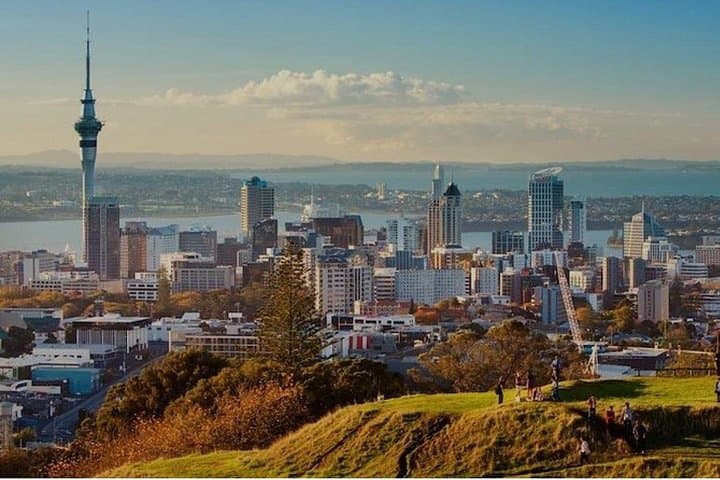
You step out of the car on the rim of Maungawhau / Mount Eden and the city opens in rings: the volcanic crater at your feet, the Sky Tower puncturing the skyline, the harbor glittering beyond. The guide hands you a map and a bottle of water, and for the next nine hours Auckland will move at a human pace — salt air, museum halls, fern-lined garden paths and military tunnels that remember a different kind of watch.
Verified experiences and guided adventures in the surrounding area.
Operated by Sunny · Auckland, Auckland
You step out of the car on the rim of Maungawhau / Mount Eden and the city opens in rings: the volcanic crater at your feet, the Sky Tower puncturing the skyline, the harbor glittering beyond. The guide hands you a map and a bottle of water, and for the next nine hours Auckland will move at a human pace — salt air, museum halls, fern-lined garden paths and military tunnels that remember a different kind of watch.
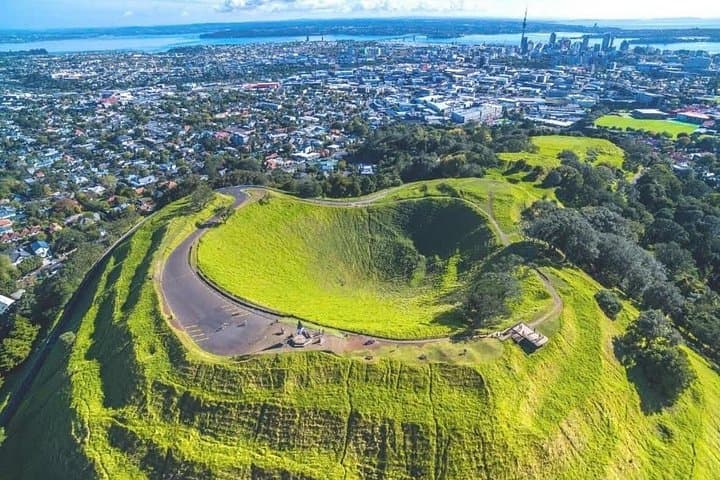
Auckland is a young city built on older bones. The skyline rides a field of nearly 50 dormant volcanic cones; Mount Eden is one of the clearest examples, its 50-meter crater a geological page you can read with your eyes. The Auckland Museum sits in the Domain, an Edwardian sandstone building that frames Māori taonga (treasures) and Pacific collections beside exhibits of New Zealand’s natural history and wartime history. Down on the eastern headlands, Achilles Point and North Head look out across the Hauraki Gulf to Rangitoto Island — a young volcanic island itself and a reminder that this city is defined as much by water and sea as by streets and parks.
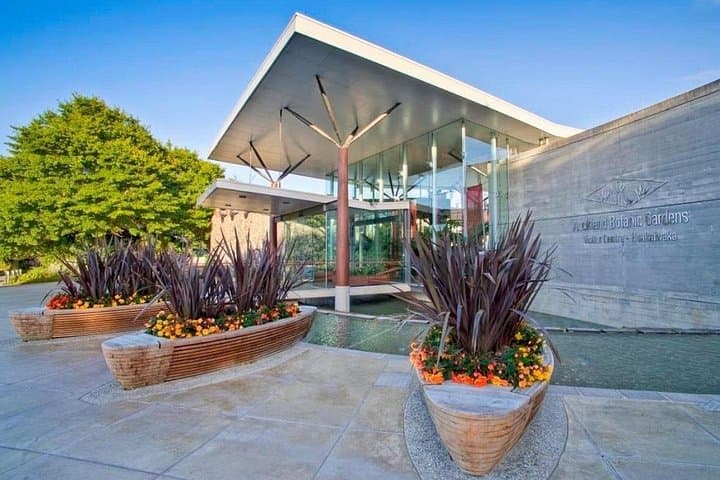
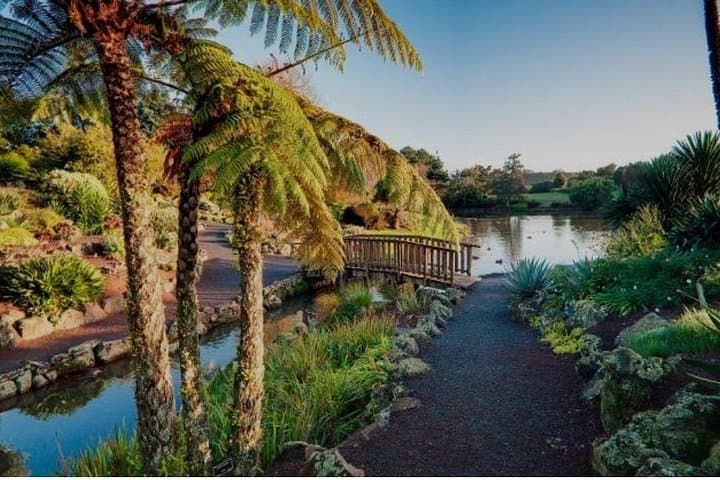
Culturally, the day traces layers: Māori place names and stories threaded through each stop, the civic memory at Michael Joseph Savage Memorial Park, and the maritime life that still moves through Waitematā Harbour. Botanically the Auckland Botanic Gardens gives a quieter counterpoint — 64 hectares of planned plantings from kauri to exotic beds, where the city’s temperate climate lets unusual species thrive.
Practical rhythm matters on a one-day sweep. The tour times are paced for steady exploration — 90 minutes in the gardens, an hour on Mount Eden, two hours at the museum, and shorter photo stops at headlands and memorials. Wear shoes that tolerate city pavement and a few short tracks; a light jacket is wise against coastal wind or sudden showers. If the museum’s special exhibitions are a priority, flag that early so you can allocate time inside. The trip uses hotel pickup and a private vehicle, so mobility needs are minimal; still, some sites have steps and uneven ground.
Local tips: head for Achilles Point near sunset if you want Rangitoto’s silhouette lit from the side; arrive early at Mount Eden to avoid tour crowding and to get cleaner light for photos. Bring a reusable bottle — the guide provides chilled water but refills are easy. Finally, respect wahi tapu (sacred places) and signs at historic sites; many locations have deep significance for local iwi (tribes) and are part of ongoing conservation efforts.
This is a day designed for immediacy: big views, cultural touchstones and coastal air. It’s an efficient way to understand how Auckland balances city life with a volcanic landscape and strong Pacific identity. Plan for nine relaxed hours, pack for variable weather, and expect to leave with a clearer sense of why Auckland’s geography shapes everything from walking routes to local stories.
Admission is not included in the tour price; you can buy tickets at the Auckland Museum or pre-book special exhibitions if you want extra time inside.
Yes — the tour includes hotel pickup; the guide meets you at the hotel entrance wearing a black shirt or black t-shirt.
Yes — it’s family-friendly. Infants must sit on an adult’s lap during travel; plan for breaks and child-friendly pacing.
This is a private tour, so the itinerary can be adjusted within the nine-hour window if you request changes when booking or at pickup.
Expect short walks at each stop (5–20 minutes), some staircases and uneven terrain at headlands and volcanic cones; mobility issues should be discussed in advance.
Full refunds are available if you cancel at least 24 hours before departure; the supplier may cancel for bad weather and offers refund details at booking.
Sunny operates guided outdoor trips and adventures with an emphasis on safety, stewardship, and memorable experiences.
You step out of the car on the rim of Maungawhau / Mount Eden and the city opens in rings: the volcanic crater at your feet, the Sky Tower puncturing the skyline, the harbor glittering beyond. The guide hands you a map and a bottle of water, and for the next nine hours Auckland will move at a human pace — salt air, museum halls, fern-lined garden paths and military tunnels that remember a different kind of watch.
You step out of the car on the rim of Maungawhau / Mount Eden and the city opens in rings: the volcanic crater at your feet, the Sky Tower puncturing the skyline, the harbor glittering beyond. The guide hands you a map and a bottle of water, and for the next nine hours Auckland will move at a human pace — salt air, museum halls, fern-lined garden paths and military tunnels that remember a different kind of watch.
Auckland is a young city built on older bones. The skyline rides a field of nearly 50 dormant volcanic cones; Mount Eden is one of the clearest examples, its 50-meter crater a geological page you can read with your eyes. The Auckland Museum sits in the Domain, an Edwardian sandstone building that frames Māori taonga (treasures) and Pacific collections beside exhibits of New Zealand’s natural history and wartime history. Down on the eastern headlands, Achilles Point and North Head look out across the Hauraki Gulf to Rangitoto Island — a young volcanic island itself and a reminder that this city is defined as much by water and sea as by streets and parks.
Culturally, the day traces layers: Māori place names and stories threaded through each stop, the civic memory at Michael Joseph Savage Memorial Park, and the maritime life that still moves through Waitematā Harbour. Botanically the Auckland Botanic Gardens gives a quieter counterpoint — 64 hectares of planned plantings from kauri to exotic beds, where the city’s temperate climate lets unusual species thrive.
Practical rhythm matters on a one-day sweep. The tour times are paced for steady exploration — 90 minutes in the gardens, an hour on Mount Eden, two hours at the museum, and shorter photo stops at headlands and memorials. Wear shoes that tolerate city pavement and a few short tracks; a light jacket is wise against coastal wind or sudden showers. If the museum’s special exhibitions are a priority, flag that early so you can allocate time inside. The trip uses hotel pickup and a private vehicle, so mobility needs are minimal; still, some sites have steps and uneven ground.
Local tips: head for Achilles Point near sunset if you want Rangitoto’s silhouette lit from the side; arrive early at Mount Eden to avoid tour crowding and to get cleaner light for photos. Bring a reusable bottle — the guide provides chilled water but refills are easy. Finally, respect wahi tapu (sacred places) and signs at historic sites; many locations have deep significance for local iwi (tribes) and are part of ongoing conservation efforts.
This is a day designed for immediacy: big views, cultural touchstones and coastal air. It’s an efficient way to understand how Auckland balances city life with a volcanic landscape and strong Pacific identity. Plan for nine relaxed hours, pack for variable weather, and expect to leave with a clearer sense of why Auckland’s geography shapes everything from walking routes to local stories.