THE ADVENTURE COLLECTIVE® · Independent discovery and booking for outdoor travel

Trace Barcelona’s layered past on a focused three‑hour private walking tour through the Gothic Quarter, Arc de Triomf and Parc de la Ciutadella. An expert local guide blends archaeology, medieval history and practical tips for post‑tour options.
Trace Barcelona’s layered past on a focused three‑hour private walking tour through the Gothic Quarter, Arc de Triomf and Parc de la Ciutadella. An expert local guide blends archaeology, medieval history and practical tips for post‑tour options.
Morning light slips between narrow stone alleys as a local guide leads you beneath the Bishop’s Bridge and into Barcelona’s oldest streets. The city’s pulse is audible here — church bells, clipped Catalan conversation, and the distant shuffle of La Rambla — and the tour stitches together plazas and monuments into a three-hour ribbon of history.
Verified experiences and guided adventures in the surrounding area.
Operated by Friendly Local Guides · Barcelona, Catalonia
Morning light slips between narrow stone alleys as a local guide leads you beneath the Bishop’s Bridge and into Barcelona’s oldest streets. The city’s pulse is audible here — church bells, clipped Catalan conversation, and the distant shuffle of La Rambla — and the tour stitches together plazas and monuments into a three-hour ribbon of history.
Begun as a Roman settlement and later reshaped by medieval merchants, the Old Town holds layers: Roman walls that still mark routes, Gothic façades that rise above intimate squares, and 19th‑century markers like the Arc de Triomf built for the 1888 Universal Exposition. Parc de la Ciutadella offers a contrasting green stage — a Victorian-style fountain, the Catalan Parliament building, and boating lakes where the city exhales.
Culturally, expect more than architecture: El Born’s artisan lanes and the Jewish Call recall civic life across centuries, while Placa Sant Felip Neri preserves quieter traces of Barcelona’s past. The guide’s role is practical and interpretive — decoding symbols on coats of arms, pointing out reused Roman stones, and suggesting cafes off the main routes.
Practical guidance: this is predominantly paved, low‑grade walking over roughly 2–3 miles in total; comfortable shoes, sun protection, and a refillable bottle matter. Start early to avoid crowds, keep belongings secure in busy squares, and allow time afterward to explore a museum or sit for tapas. With moderate fitness and curiosity, this private walk delivers concentrated history and immediate city life in equal measure.
Meetings are typically arranged at your hotel lobby or a central landmark; the guide confirms the exact pickup when booking.
Parts of the Old Town include narrow streets and some cobbles; the operator lists wheelchair access but mobility can be limited in tight medieval alleys.
Yes — it’s a private tour and the guide can adjust stops, pacing, and focus (history, architecture, food tips) on request.
Standard bookings cover guiding services only; any paid admissions (cathedral rooftop, museums) are typically extra unless specified.
Friendly Local Guides operates guided outdoor trips and adventures with an emphasis on safety, stewardship, and memorable experiences.
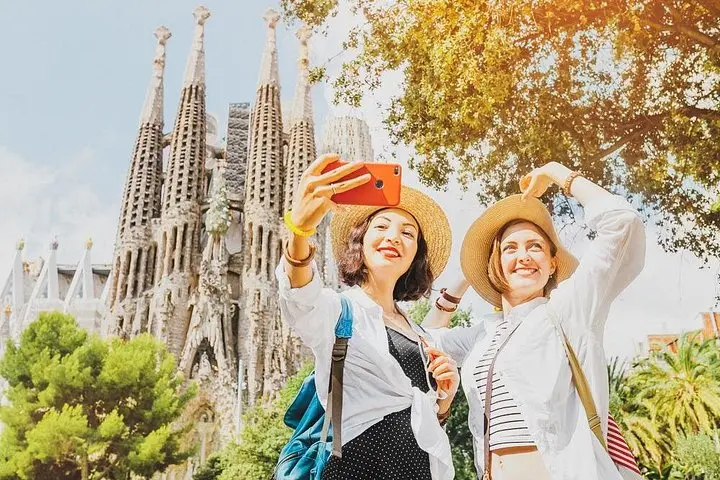
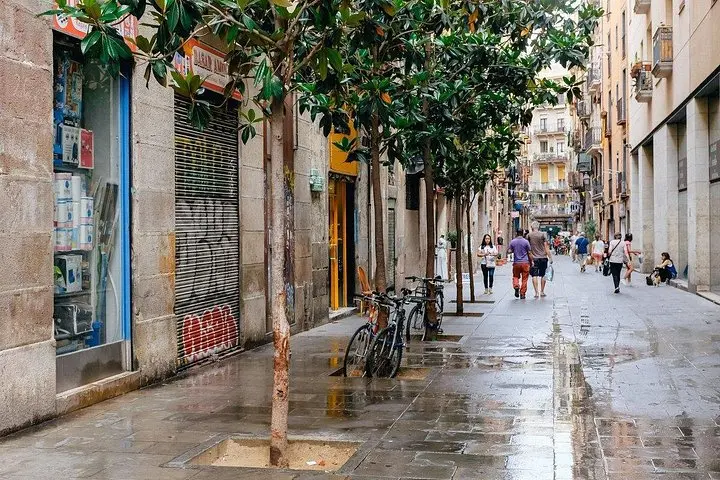
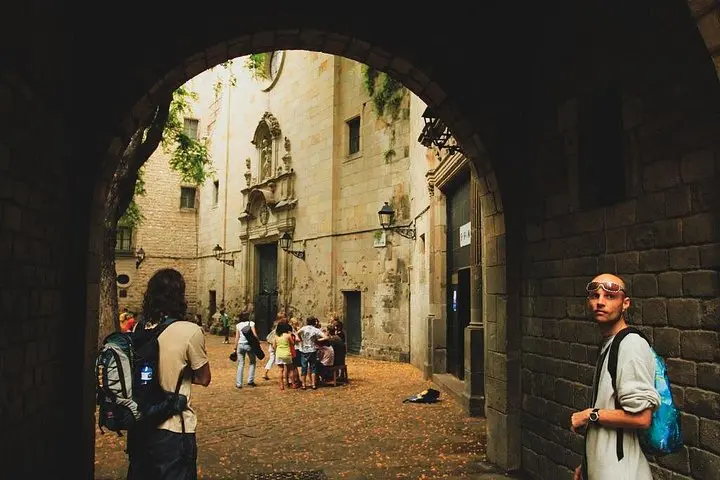
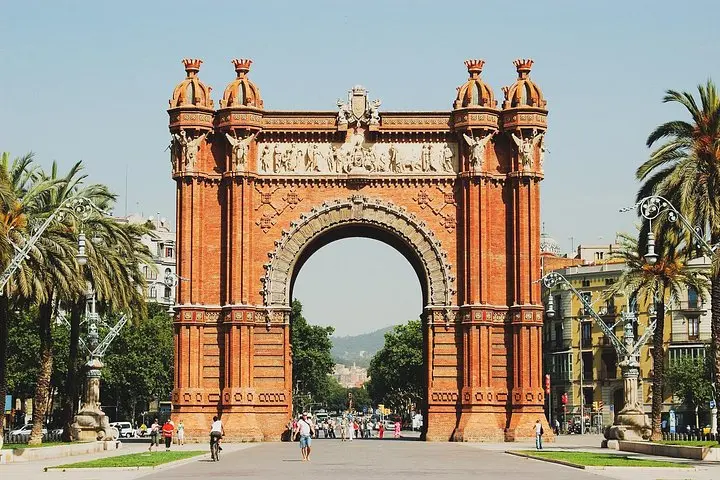
Morning light slips between narrow stone alleys as a local guide leads you beneath the Bishop’s Bridge and into Barcelona’s oldest streets. The city’s pulse is audible here — church bells, clipped Catalan conversation, and the distant shuffle of La Rambla — and the tour stitches together plazas and monuments into a three-hour ribbon of history.
Morning light slips between narrow stone alleys as a local guide leads you beneath the Bishop’s Bridge and into Barcelona’s oldest streets. The city’s pulse is audible here — church bells, clipped Catalan conversation, and the distant shuffle of La Rambla — and the tour stitches together plazas and monuments into a three-hour ribbon of history.
Begun as a Roman settlement and later reshaped by medieval merchants, the Old Town holds layers: Roman walls that still mark routes, Gothic façades that rise above intimate squares, and 19th‑century markers like the Arc de Triomf built for the 1888 Universal Exposition. Parc de la Ciutadella offers a contrasting green stage — a Victorian-style fountain, the Catalan Parliament building, and boating lakes where the city exhales.
Culturally, expect more than architecture: El Born’s artisan lanes and the Jewish Call recall civic life across centuries, while Placa Sant Felip Neri preserves quieter traces of Barcelona’s past. The guide’s role is practical and interpretive — decoding symbols on coats of arms, pointing out reused Roman stones, and suggesting cafes off the main routes.
Practical guidance: this is predominantly paved, low‑grade walking over roughly 2–3 miles in total; comfortable shoes, sun protection, and a refillable bottle matter. Start early to avoid crowds, keep belongings secure in busy squares, and allow time afterward to explore a museum or sit for tapas. With moderate fitness and curiosity, this private walk delivers concentrated history and immediate city life in equal measure.