THE ADVENTURE COLLECTIVE® · Independent discovery and booking for outdoor travel

Glide through Baroque Rome in a quiet electric cart—see Piazza Navona, the Spanish Steps, Piazza del Popolo and Villa Borghese in a private 2–3 hour experience. This easy tour blends art-historical insight with relaxed, low-impact sightseeing.
Glide through Baroque Rome in a quiet electric cart—see Piazza Navona, the Spanish Steps, Piazza del Popolo and Villa Borghese in a private 2–3 hour experience. This easy tour blends art-historical insight with relaxed, low-impact sightseeing.
A gentle bell of morning light hits the cobbles as the golf cart glides from Piazza Navona toward the shaded avenues of Villa Borghese. Riders sit close enough to smell espresso and far enough to avoid the push of the crowds; fountains chatter and church domes puncture the skyline as the vehicle threads narrow streets that once hosted carriages and processions.
Verified experiences and guided adventures in the surrounding area.
Operated by Rome Tours · Rome, Lazio
A gentle bell of morning light hits the cobbles as the golf cart glides from Piazza Navona toward the shaded avenues of Villa Borghese. Riders sit close enough to smell espresso and far enough to avoid the push of the crowds; fountains chatter and church domes puncture the skyline as the vehicle threads narrow streets that once hosted carriages and processions.
This route traces 17th-century Baroque interventions—Bernini’s fountains, Borromini’s churches—and the stones tell a longer story: travertine quarried from nearby Tivoli and tufa from the Aniene River underlie Rome’s façades. The architecture articulates papal power and artistic rivalry, while public squares have served as marketplaces, stages and political forums for centuries. Local life is audible in market vendors, scooters, and the measured rhythm of passeggiata.
Practical guidance: the private tour runs about 2–3 hours, suitable for travelers who prefer low-impact mobility and commentary from a guide. Expect short stops at Piazza Navona, Spanish Steps, Piazza del Popolo and a 20–30 minute pause in Villa Borghese; some locations are viewed from the cart while others include brief walks. Dress respectfully for church exteriors and modest interior requests. Morning light offers cooler temperatures and softer photos; late afternoons deliver warm golden tones but heavier pedestrian traffic.
Bring identification, a charged phone for digital tickets, and comfortable shoes for short cobblestone stretches. The electric cart reduces emissions and allows access to tighter urban spaces—an efficient way to cover Baroque Rome without the rush of larger tours.
The electric golf cart offers low-impact transport but accessibility depends on mobility needs and site access; contact the operator to confirm wheelchair-friendly pickup and stop locations.
The tour provider notes it is not suitable for babies or very young children; confirm age policies with the operator before booking.
This tour focuses on outdoor squares and garden views—museum admissions are typically not included but can be arranged separately if specified in advance.
Full refunds are available if you cancel at least 24 hours before departure; cancellations within 24 hours are non-refundable.
Rome Tours operates guided outdoor trips and adventures with an emphasis on safety, stewardship, and memorable experiences.
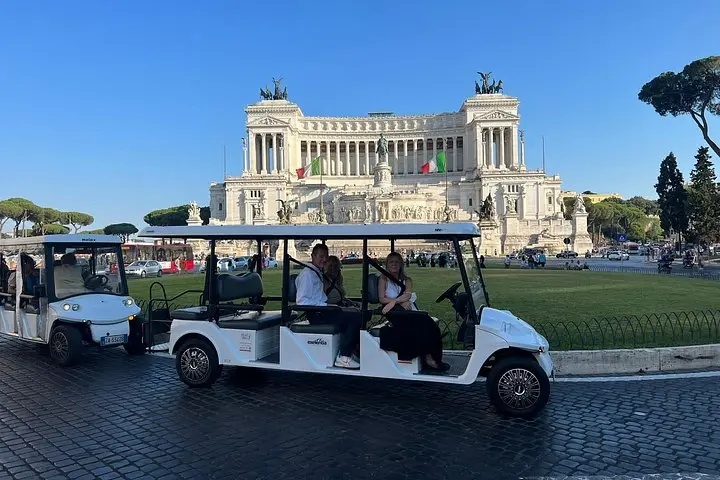
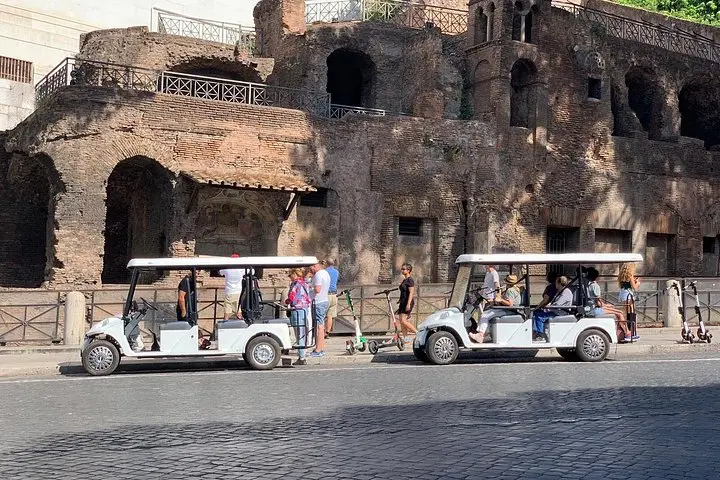
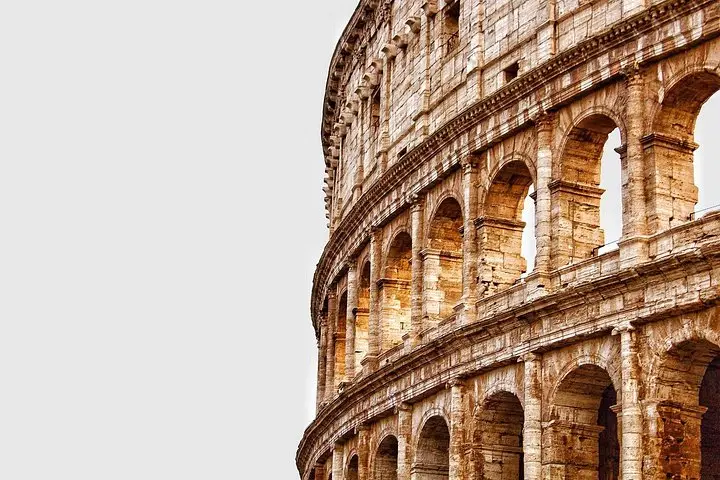
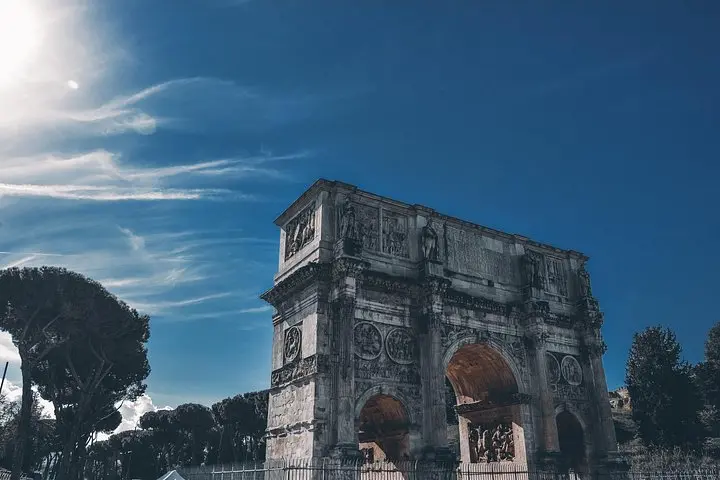
A gentle bell of morning light hits the cobbles as the golf cart glides from Piazza Navona toward the shaded avenues of Villa Borghese. Riders sit close enough to smell espresso and far enough to avoid the push of the crowds; fountains chatter and church domes puncture the skyline as the vehicle threads narrow streets that once hosted carriages and processions.
A gentle bell of morning light hits the cobbles as the golf cart glides from Piazza Navona toward the shaded avenues of Villa Borghese. Riders sit close enough to smell espresso and far enough to avoid the push of the crowds; fountains chatter and church domes puncture the skyline as the vehicle threads narrow streets that once hosted carriages and processions.
This route traces 17th-century Baroque interventions—Bernini’s fountains, Borromini’s churches—and the stones tell a longer story: travertine quarried from nearby Tivoli and tufa from the Aniene River underlie Rome’s façades. The architecture articulates papal power and artistic rivalry, while public squares have served as marketplaces, stages and political forums for centuries. Local life is audible in market vendors, scooters, and the measured rhythm of passeggiata.
Practical guidance: the private tour runs about 2–3 hours, suitable for travelers who prefer low-impact mobility and commentary from a guide. Expect short stops at Piazza Navona, Spanish Steps, Piazza del Popolo and a 20–30 minute pause in Villa Borghese; some locations are viewed from the cart while others include brief walks. Dress respectfully for church exteriors and modest interior requests. Morning light offers cooler temperatures and softer photos; late afternoons deliver warm golden tones but heavier pedestrian traffic.
Bring identification, a charged phone for digital tickets, and comfortable shoes for short cobblestone stretches. The electric cart reduces emissions and allows access to tighter urban spaces—an efficient way to cover Baroque Rome without the rush of larger tours.