
Private Battle of Crete Historical Tour — Souda Bay, Maleme & Platanias
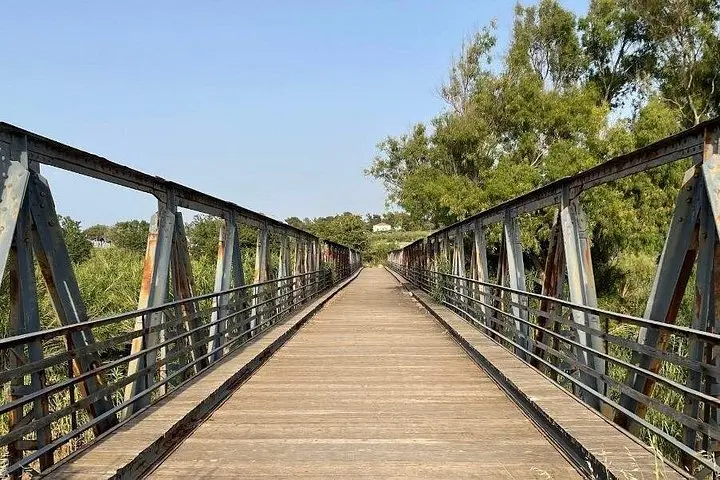
Trace the decisive moments of the Battle of Crete on a private 4–5 hour tour from Chania. Visit Souda Bay cemetery, Maleme airfield, Tavronitis Bridge and wartime catacombs in Platanias with a local guide who brings maps and personal stories to each stop.
An Adventure In Chania.
Trace the decisive moments of the Battle of Crete on a private 4–5 hour tour from Chania. Visit Souda Bay cemetery, Maleme airfield, Tavronitis Bridge and wartime catacombs in Platanias with a local guide who brings maps and personal stories to each stop.
Read the full experience
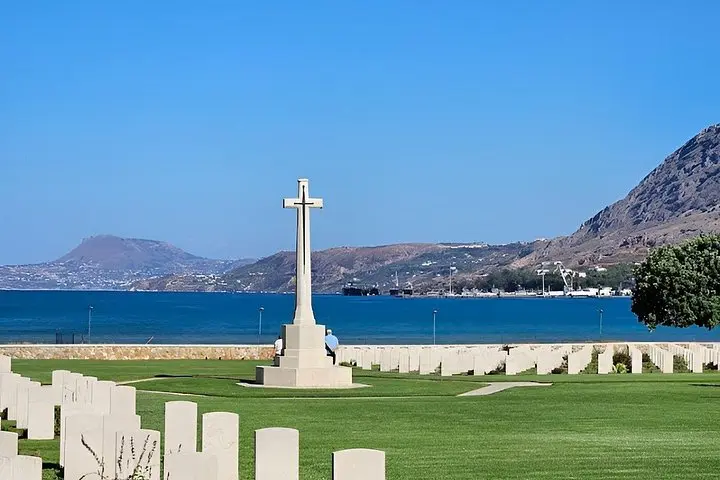
You step out of the private minivan into wind that moves the low scrub like a slow current; the sea is a flat, bright rumor beyond the graves of Souda Bay. The guide sets a deliberate pace, and the day unfolds as a map of decisions—bridges taken, airfields seized, civilians who sheltered underground. This is Western Crete in May and beyond: limestone ridges, olive groves carved into terraces, and a coastline that watches rather than speaks.
You step out of the private minivan into wind that moves the low scrub like a slow current; the sea is a flat, bright rumor beyond the graves of Souda Bay. The guide sets a deliberate pace, and the day unfolds as a map of decisions—bridges taken, airfields seized, civilians who sheltered underground. This is Western Crete in May and beyond: limestone ridges, olive groves carved into terraces, and a coastline that watches rather than speaks.
The tour threads together the decisive moments of the May 1941 Battle of Crete—Operation Mercury—where airborne landings at Maleme and skirmishes along narrow lanes like 42nd Street determined control of the island. Geology here is practical: low mountains that funneled movement, beaches that invited landings, and easily defended high ground. Local culture is present and plain; tavernas in Maleme still serve coffee where soldiers once regrouped, and Platanias’ catacombs reveal how civilians and partisans used the island’s porous limestone to hide and resist.
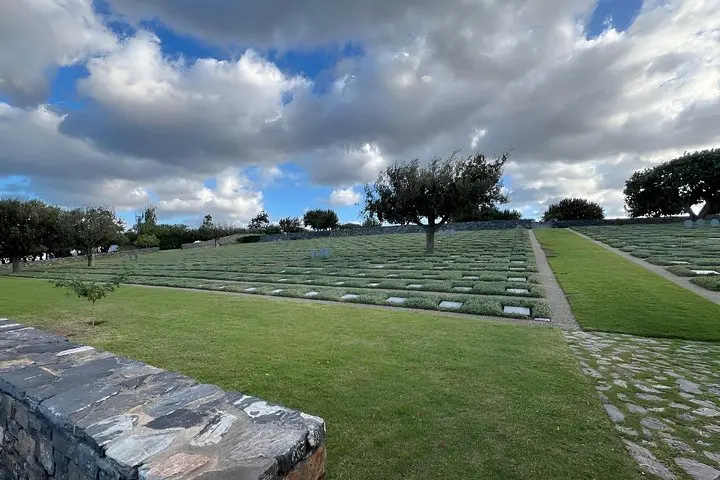
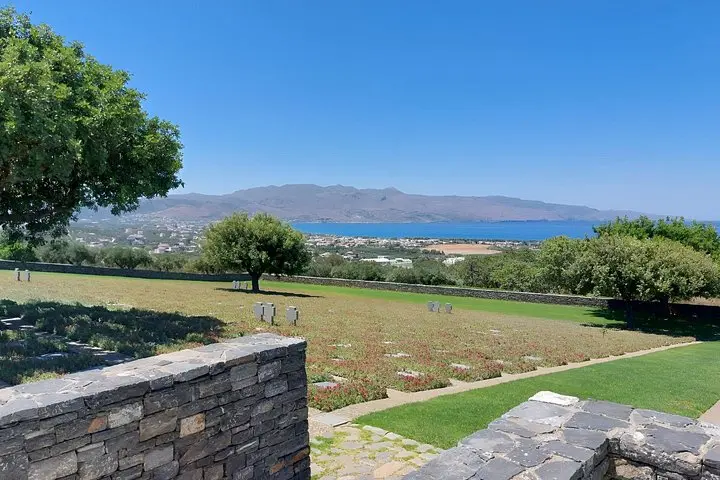
Expect short, reflective walks at cemeteries and memorials, easy paths to viewpoints, and one or two narrow stairways into wartime shelters. The guide balances storytelling with context—maps, dates, and human details—so you leave with a clear timeline and quieter questions.
Practical notes: bring sturdy walking shoes for uneven memorial grounds, sun protection for exposed sites, and a small bottle of water. Allow 4–5 hours; the route is mostly by comfortable private vehicle with several short on-foot visits. Visitors should be prepared to behave respectfully at graves and sites and to follow the guide’s safety instructions inside historic shelters.
Frequently asked questions
Yes—private hotel pickup and drop-off in the Chania area are included in the tour.
Some admission fees (where applicable) are included; your booking notes list which stops require paid entry.
Swimming is optional and weather-dependent; bring swimwear and a towel if you want to dip during warmer months.
The tour is generally suitable for all ages, but the catacombs have low ceilings and steep steps—consider mobility and comfort before entering.
About This Experience
MOYSIDIS TRAVEL operates guided outdoor trips and adventures with an emphasis on safety, stewardship, and memorable experiences.
Adventure tips
Recommended gear
- Comfortable walking shoes: Support and grip for gravel memorials and shelter entrances.
- Sun hat and sunscreen: Keeps you protected during exposed coastal and airfield stops.
- Reusable water bottle: Private transportation may provide water, but extras are useful during warm months.
- Light jacket or windbreaker: Coastal winds and shaded catacombs can be chilly, especially outside high summer.
Photos of the experience
Related adventures & guides
Read the full experience
You step out of the private minivan into wind that moves the low scrub like a slow current; the sea is a flat, bright rumor beyond the graves of Souda Bay. The guide sets a deliberate pace, and the day unfolds as a map of decisions—bridges taken, airfields seized, civilians who sheltered underground. This is Western Crete in May and beyond: limestone ridges, olive groves carved into terraces, and a coastline that watches rather than speaks.
You step out of the private minivan into wind that moves the low scrub like a slow current; the sea is a flat, bright rumor beyond the graves of Souda Bay. The guide sets a deliberate pace, and the day unfolds as a map of decisions—bridges taken, airfields seized, civilians who sheltered underground. This is Western Crete in May and beyond: limestone ridges, olive groves carved into terraces, and a coastline that watches rather than speaks.
The tour threads together the decisive moments of the May 1941 Battle of Crete—Operation Mercury—where airborne landings at Maleme and skirmishes along narrow lanes like 42nd Street determined control of the island. Geology here is practical: low mountains that funneled movement, beaches that invited landings, and easily defended high ground. Local culture is present and plain; tavernas in Maleme still serve coffee where soldiers once regrouped, and Platanias’ catacombs reveal how civilians and partisans used the island’s porous limestone to hide and resist.
Expect short, reflective walks at cemeteries and memorials, easy paths to viewpoints, and one or two narrow stairways into wartime shelters. The guide balances storytelling with context—maps, dates, and human details—so you leave with a clear timeline and quieter questions.
Practical notes: bring sturdy walking shoes for uneven memorial grounds, sun protection for exposed sites, and a small bottle of water. Allow 4–5 hours; the route is mostly by comfortable private vehicle with several short on-foot visits. Visitors should be prepared to behave respectfully at graves and sites and to follow the guide’s safety instructions inside historic shelters.
Make a day of it nearby.
Verified experiences and guided adventures in the surrounding area.