THE ADVENTURE COLLECTIVE® · Independent discovery and booking for outdoor travel

Spend a flexible six-hour day fishing, snorkeling and eating a fishermen’s BBQ on Ambergris Caye. This private boat experience out of San Pedro combines reef snorkeling, light tackle fishing and a beachside lunch with local rum punch.
Spend a flexible six-hour day fishing, snorkeling and eating a fishermen’s BBQ on Ambergris Caye. This private boat experience out of San Pedro combines reef snorkeling, light tackle fishing and a beachside lunch with local rum punch.
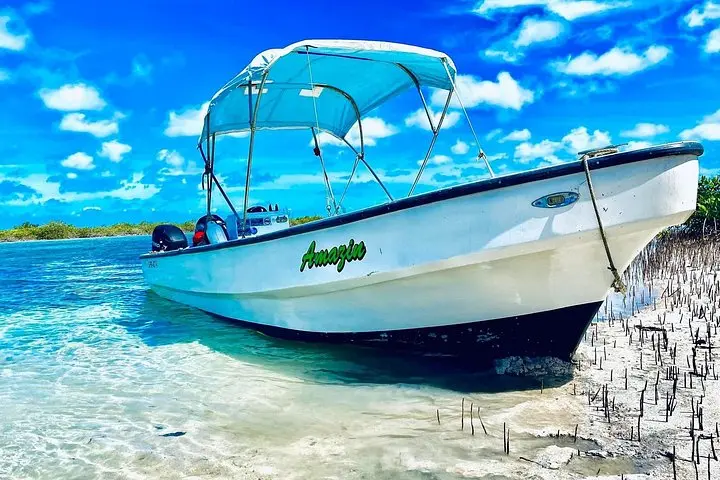
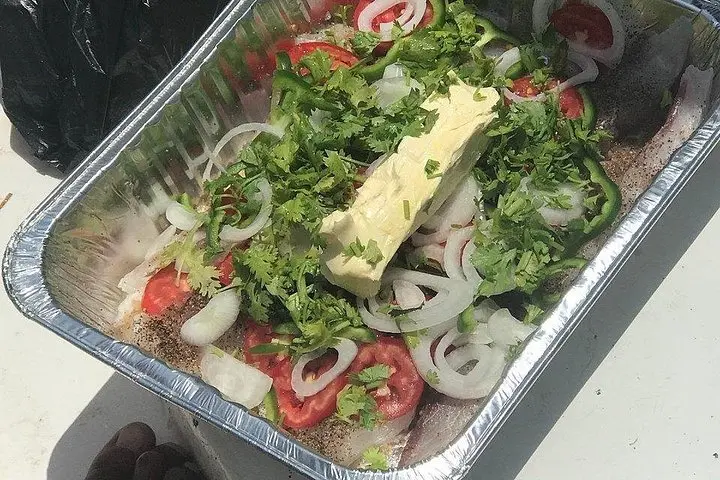
The bow parts the glassy Caribbean and a breeze brings the smell of salt and fresh-cut lime. Off to starboard, the reef’s shallow hummocks cast turquoise pockets into the sea, while the crew checks lines and rigs a simple smoker for the afternoon’s barbecue. You’re not on a schedule so much as on an easy rhythm: fish first, snorkel while the fire warms, then beachside lunch served with rum punch and the steady slap of waves against the sand.
Verified experiences and guided adventures in the surrounding area.
Operated by Xsite Belize Sailing & Adventures · San Pedro, Belize District
The bow parts the glassy Caribbean and a breeze brings the smell of salt and fresh-cut lime. Off to starboard, the reef’s shallow hummocks cast turquoise pockets into the sea, while the crew checks lines and rigs a simple smoker for the afternoon’s barbecue. You’re not on a schedule so much as on an easy rhythm: fish first, snorkel while the fire warms, then beachside lunch served with rum punch and the steady slap of waves against the sand.
Ambergris Caye sits on the edge of the Belize Barrier Reef, the Western Hemisphere’s greatest living coral structure and the planet’s second largest. The cayes themselves are fossilized sand and coral out of Pleistocene tides—flat, porous limestone topped by palms, mangroves and small settlements like San Pedro. Indigenous Maya once navigated these waters; later, colonial trade and coastal fishing shaped the island’s mixed mestizo and Garifuna culture. Today, locals balance small-scale fishing with reef management zones such as Hol Chan and Shark Ray Alley to protect juvenile fish and corals.
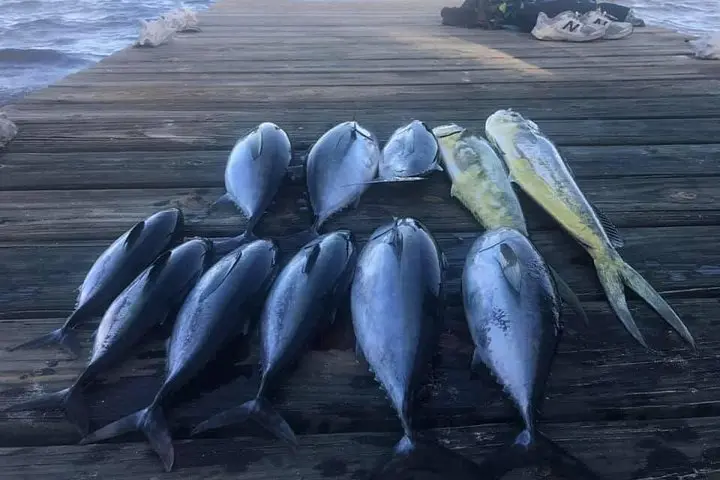
The day you’ll live aboard is straightforward: pick-up in San Pedro between 7–8 a.m., a morning fishing stretch—bottom rigs and light tackle—and then some snorkeling over shallow patch reefs as lunch smokes ashore. The operator supplies bottled water, sodas, rum drinks, snorkel equipment and fishing gear; they can swap fish for chicken if you prefer. The experience suits anyone comfortable in water and sun; the boat and beach are wheelchair accessible in many spots, and the pace is relaxed.
Practicalities matter at sea. Bring reef-safe sunscreen, a hat and polarized sunglasses for glare; carry a small dry bag for your phone and extra cash for tips. If you’re prone to seasickness, take medication the night before and again before departure—the blue water can look calm and still play tricks on your equilibrium.
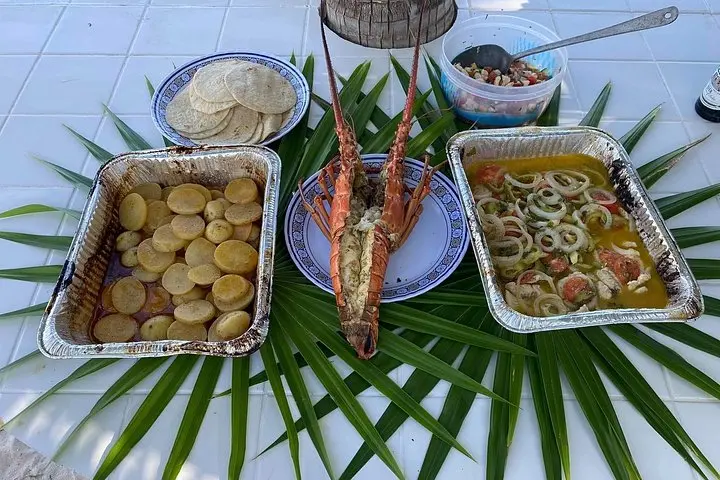
Respect the reef: don’t stand on coral, avoid touching marine life, and comply with local catch rules if you’re keeping fish—guides will advise on size and species. Photography is best in the morning light when water clarity peaks and ray and nurse shark activity is highest near shallows. After lunch, the beach portion is a pause for simple pleasures: warm fish off the fire, the crunch of tortillas, and the slow lowering of the sun over palms.
This trip sells itself to travelers who want a single-day, all-in-one taste of Belize’s coast—fishing, snorkeling and a communal beach meal—without the logistics of self-guided charters. It’s accessible, social and firmly rooted in local maritime life: a practical, sunlit way to meet the Caribbean from a small boat’s vantage and leave nothing but footprints on the sand.
The trip includes pickup coordination from San Pedro, bottled water, sodas, rum drinks, fresh fruit, snorkeling equipment, fishing gear and a fisherman’s BBQ lunch (chicken available on request).
No—guides handle tackle setup and snorkeling is on shallow reefs; a basic level of comfort in the water is helpful but not required.
Many parts of the experience are wheelchair accessible, and the operator notes ramp/boarding assistance options; contact them ahead to arrange specifics.
Bring or take anti-nausea medication before departure; choose morning departures when winds are typically lighter and sit mid-boat for less motion.
Yes, the crew will often clean and cook your catch, but they follow local regulations on size and species—ask your guide about limits for protected species.
Yes, the tour is family-friendly; infants should sit on laps per the operator’s policy and parents should supervise kids in the water.
Xsite Belize Sailing & Adventures operates guided outdoor trips and adventures with an emphasis on safety, stewardship, and memorable experiences.
The bow parts the glassy Caribbean and a breeze brings the smell of salt and fresh-cut lime. Off to starboard, the reef’s shallow hummocks cast turquoise pockets into the sea, while the crew checks lines and rigs a simple smoker for the afternoon’s barbecue. You’re not on a schedule so much as on an easy rhythm: fish first, snorkel while the fire warms, then beachside lunch served with rum punch and the steady slap of waves against the sand.
The bow parts the glassy Caribbean and a breeze brings the smell of salt and fresh-cut lime. Off to starboard, the reef’s shallow hummocks cast turquoise pockets into the sea, while the crew checks lines and rigs a simple smoker for the afternoon’s barbecue. You’re not on a schedule so much as on an easy rhythm: fish first, snorkel while the fire warms, then beachside lunch served with rum punch and the steady slap of waves against the sand.
Ambergris Caye sits on the edge of the Belize Barrier Reef, the Western Hemisphere’s greatest living coral structure and the planet’s second largest. The cayes themselves are fossilized sand and coral out of Pleistocene tides—flat, porous limestone topped by palms, mangroves and small settlements like San Pedro. Indigenous Maya once navigated these waters; later, colonial trade and coastal fishing shaped the island’s mixed mestizo and Garifuna culture. Today, locals balance small-scale fishing with reef management zones such as Hol Chan and Shark Ray Alley to protect juvenile fish and corals.
The day you’ll live aboard is straightforward: pick-up in San Pedro between 7–8 a.m., a morning fishing stretch—bottom rigs and light tackle—and then some snorkeling over shallow patch reefs as lunch smokes ashore. The operator supplies bottled water, sodas, rum drinks, snorkel equipment and fishing gear; they can swap fish for chicken if you prefer. The experience suits anyone comfortable in water and sun; the boat and beach are wheelchair accessible in many spots, and the pace is relaxed.
Practicalities matter at sea. Bring reef-safe sunscreen, a hat and polarized sunglasses for glare; carry a small dry bag for your phone and extra cash for tips. If you’re prone to seasickness, take medication the night before and again before departure—the blue water can look calm and still play tricks on your equilibrium.
Respect the reef: don’t stand on coral, avoid touching marine life, and comply with local catch rules if you’re keeping fish—guides will advise on size and species. Photography is best in the morning light when water clarity peaks and ray and nurse shark activity is highest near shallows. After lunch, the beach portion is a pause for simple pleasures: warm fish off the fire, the crunch of tortillas, and the slow lowering of the sun over palms.
This trip sells itself to travelers who want a single-day, all-in-one taste of Belize’s coast—fishing, snorkeling and a communal beach meal—without the logistics of self-guided charters. It’s accessible, social and firmly rooted in local maritime life: a practical, sunlit way to meet the Caribbean from a small boat’s vantage and leave nothing but footprints on the sand.