THE ADVENTURE COLLECTIVE® · Independent discovery and booking for outdoor travel

Explore Beaune with an official guide on a private 7–8 hour tour that combines a visit to the 15th-century Hospices, vineyard drives along the Grands Crus road, and six curated wine tastings at local cellars. Ideal for travelers who want cultural depth and insider access to Burgundy’s wine culture.
Explore Beaune with an official guide on a private 7–8 hour tour that combines a visit to the 15th-century Hospices, vineyard drives along the Grands Crus road, and six curated wine tastings at local cellars. Ideal for travelers who want cultural depth and insider access to Burgundy’s wine culture.
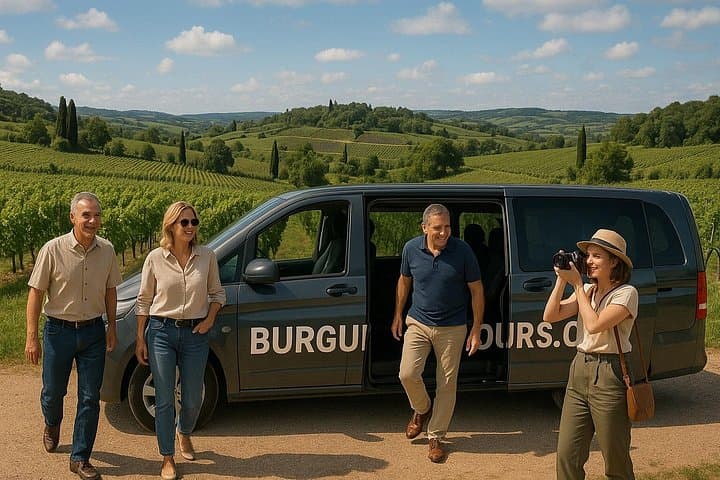
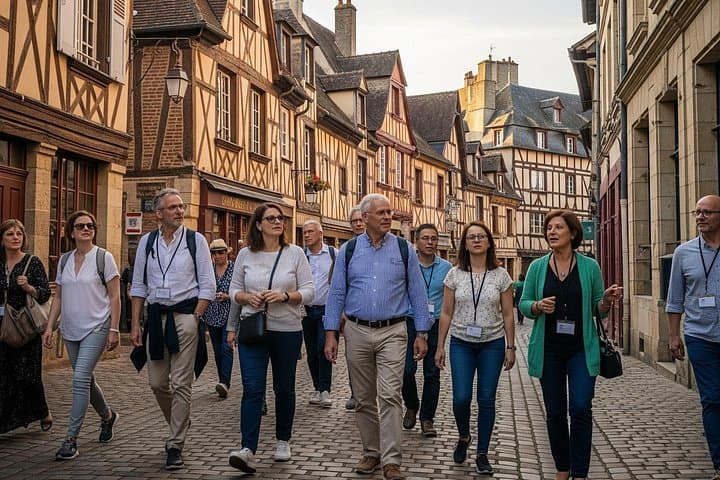
You step from a narrow stone street into a square where Burgundy’s air smells faintly of wood smoke and fermenting grapes. The guide leads the group toward the ornate roofline of the Hospices de Beaune, while beyond the town the vine rows fan out over slopes that have been farmed for centuries.
Verified experiences and guided adventures in the surrounding area.
Operated by Burgundy-Tours.com · Beaune, Bourgogne-Franche-Comté
You step from a narrow stone street into a square where Burgundy’s air smells faintly of wood smoke and fermenting grapes. The guide leads the group toward the ornate roofline of the Hospices de Beaune, while beyond the town the vine rows fan out over slopes that have been farmed for centuries.
Beaune sits at the heart of Burgundy’s Côte de Beaune, a region shaped by Jurassic limestone that gives its wines a lean minerality. The Hospices, built in the 15th century as a hospital for the poor, anchors local history; nearby villages along the Grands Crus road grew wealthy on appellations such as Corton and Montrachet. Local culture is tied to harvest rhythms and cellar craft—expect stories about domaine legacies and the regional négociant trade.
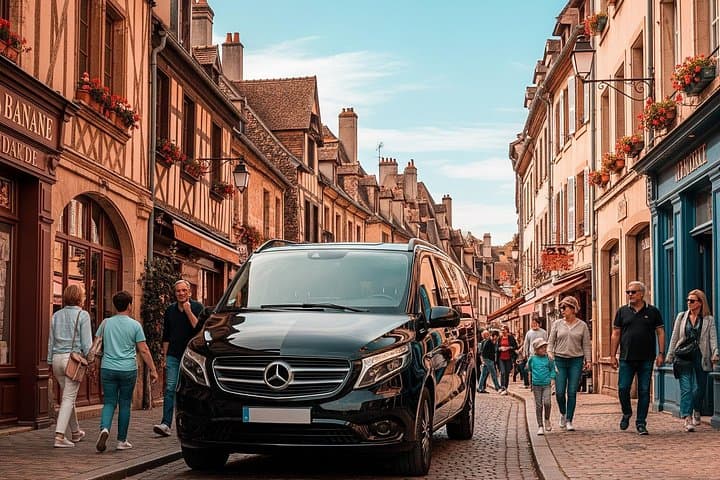
Practically, this private, 7–8 hour tour combines walking the compact historic center, a timed visit to the Hospices, cellar tours, and six guided tastings (three whites, three reds). Transportation is provided between stops, and most sites are accessible, but cobblestones and vineyard tracks mean comfortable shoes and steady footing matter. Hydrate between tastings and avoid driving afterward; guides usually accommodate pace and dietary needs.
Timing matters: morning light flatters village façades and afternoon tastings can be quieter. If you prefer depth over quantity, request an extended cellar stop to discuss vintages and terroir. This is a day of sensory detail—earthy cellars, sun on the leaves, and wines that carry the geology and history of Burgundy in every glass.
Yes; the tour includes transportation between Beaune, vineyards, and tasting stops as part of the private itinerary.
The standard program includes six tastings—three whites and three reds—spread across cellars and domaines.
The Hospices and many tour locations offer wheelchair-accessible areas, and transport options are accessible; confirm any specific needs when booking.
Yes, most wineries sell bottles; bring a daypack for small purchases or arrange shipping with the domaine for larger orders.
Burgundy-Tours.com operates guided outdoor trips and adventures with an emphasis on safety, stewardship, and memorable experiences.
You step from a narrow stone street into a square where Burgundy’s air smells faintly of wood smoke and fermenting grapes. The guide leads the group toward the ornate roofline of the Hospices de Beaune, while beyond the town the vine rows fan out over slopes that have been farmed for centuries.
You step from a narrow stone street into a square where Burgundy’s air smells faintly of wood smoke and fermenting grapes. The guide leads the group toward the ornate roofline of the Hospices de Beaune, while beyond the town the vine rows fan out over slopes that have been farmed for centuries.
Beaune sits at the heart of Burgundy’s Côte de Beaune, a region shaped by Jurassic limestone that gives its wines a lean minerality. The Hospices, built in the 15th century as a hospital for the poor, anchors local history; nearby villages along the Grands Crus road grew wealthy on appellations such as Corton and Montrachet. Local culture is tied to harvest rhythms and cellar craft—expect stories about domaine legacies and the regional négociant trade.
Practically, this private, 7–8 hour tour combines walking the compact historic center, a timed visit to the Hospices, cellar tours, and six guided tastings (three whites, three reds). Transportation is provided between stops, and most sites are accessible, but cobblestones and vineyard tracks mean comfortable shoes and steady footing matter. Hydrate between tastings and avoid driving afterward; guides usually accommodate pace and dietary needs.
Timing matters: morning light flatters village façades and afternoon tastings can be quieter. If you prefer depth over quantity, request an extended cellar stop to discuss vintages and terroir. This is a day of sensory detail—earthy cellars, sun on the leaves, and wines that carry the geology and history of Burgundy in every glass.