THE ADVENTURE COLLECTIVE® · Independent discovery and booking for outdoor travel
Learn to move beyond Auto mode on a private, assignment-based photo walk along the South Bank. This beginner-focused workshop uses Tower Bridge and More London as living classrooms to teach exposure, composition and practical camera control.
Learn to move beyond Auto mode on a private, assignment-based photo walk along the South Bank. This beginner-focused workshop uses Tower Bridge and More London as living classrooms to teach exposure, composition and practical camera control.
A morning on the South Bank begins with the Thames pushing light along the water, and an instructor waiting by City Hall to turn camera confusion into control. Participants step from the pavement into a short, focused field course that moves from the glass curve of More London to viewpoints across the river at Tower Bridge and the Tower of London.
Verified experiences and guided adventures in the surrounding area.
Operated by London Photo Tours and Workshops · London, Greater London
A morning on the South Bank begins with the Thames pushing light along the water, and an instructor waiting by City Hall to turn camera confusion into control. Participants step from the pavement into a short, focused field course that moves from the glass curve of More London to viewpoints across the river at Tower Bridge and the Tower of London.
The route sits in the heart of historic London: Victorian engineering at Tower Bridge, medieval stone at the Tower, and modern civic architecture in More London. Geology is visible in the stones of the embankment and the river’s edge; culturally, the area blends commuters, tourists, and river life. Tutors use these elements to teach composition, exposure, shutter speed and depth of field with real-world subjects — bridges, moving boats, and the city’s layered skyline.
Expect assignment-based learning: short exercises on freezing action, creating motion, and isolating subjects with shallow depth of field. The course is practical and paced to let light change; Thames reflections and city shadows are used intentionally to show how white balance and ISO affect mood.
Practical guidance: bring your own camera with a charged spare battery and memory card, arrive 10–15 minutes early for a brief orientation, and wear comfortable shoes for 1–2 miles of easy walking on paved surfaces. A lightweight tripod can help for low-light shots, and checking the weather before you go ensures you choose lenses and filters wisely. The experience is as much about learning camera mechanics as it is about seeing London with a photographer’s eye.
Yes — the course is tailored to the camera you bring; phones aren’t recommended for this beginner DSLR/mirrorless workshop.
Yes — the course is designed for beginners and moves you away from Auto while teaching basics like aperture, shutter and ISO.
The course runs in typical London weather; tutors adapt exercises and cover is available but waterproof clothing is advised.
Meet at the More London/City Hall area on the South Bank; exact meeting details are provided at booking and tutors give a short orientation on arrival.
London Photo Tours and Workshops operates guided outdoor trips and adventures with an emphasis on safety, stewardship, and memorable experiences.
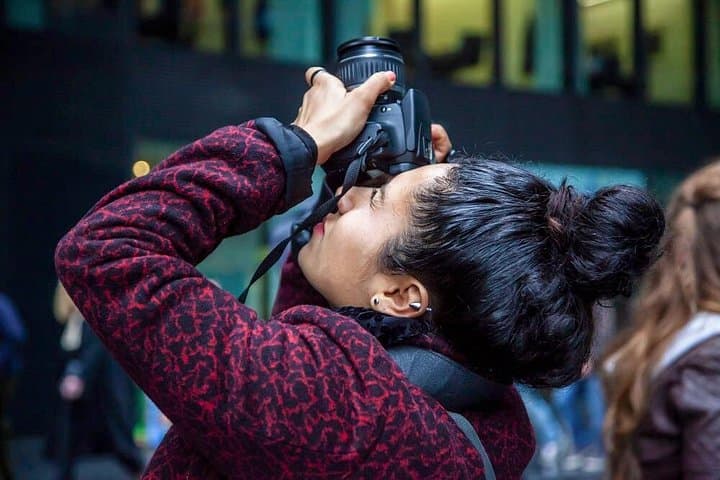
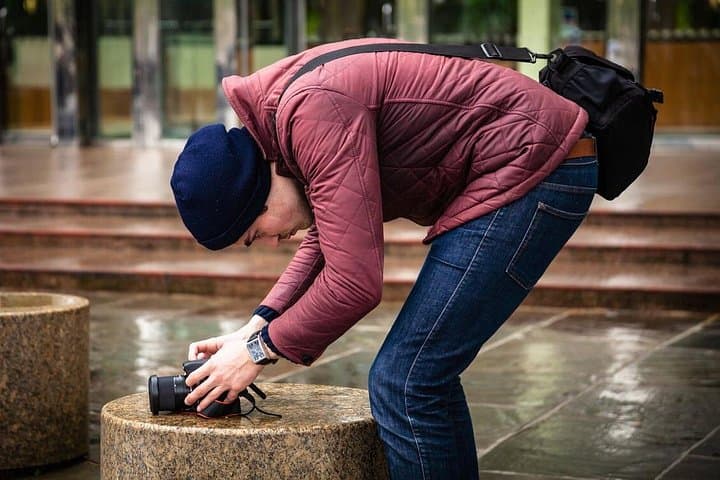
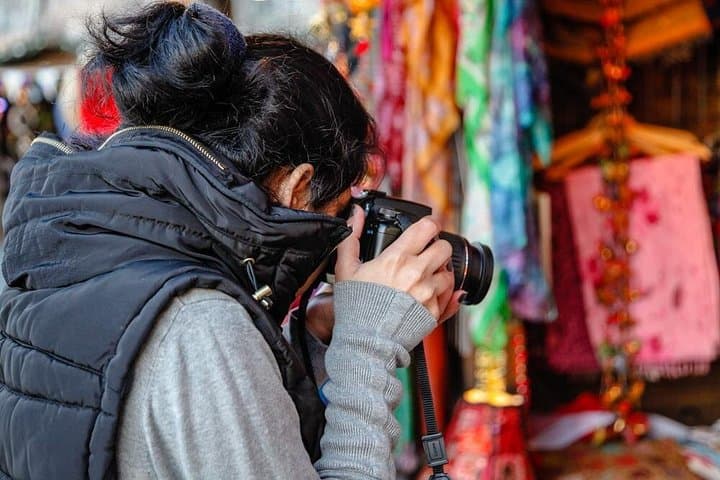
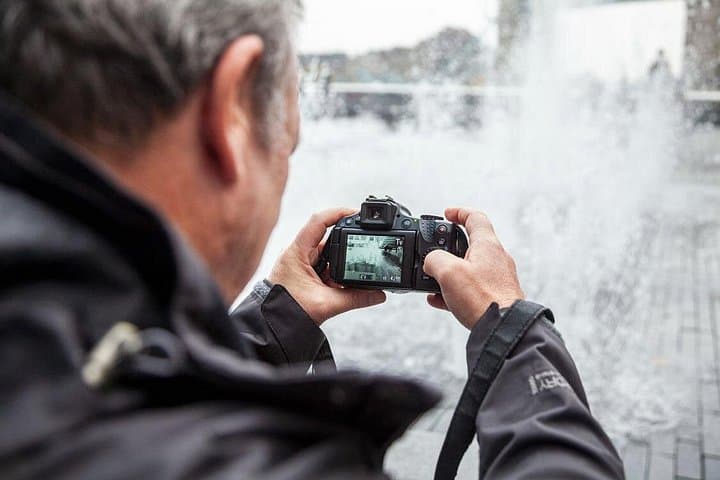
A morning on the South Bank begins with the Thames pushing light along the water, and an instructor waiting by City Hall to turn camera confusion into control. Participants step from the pavement into a short, focused field course that moves from the glass curve of More London to viewpoints across the river at Tower Bridge and the Tower of London.
A morning on the South Bank begins with the Thames pushing light along the water, and an instructor waiting by City Hall to turn camera confusion into control. Participants step from the pavement into a short, focused field course that moves from the glass curve of More London to viewpoints across the river at Tower Bridge and the Tower of London.
The route sits in the heart of historic London: Victorian engineering at Tower Bridge, medieval stone at the Tower, and modern civic architecture in More London. Geology is visible in the stones of the embankment and the river’s edge; culturally, the area blends commuters, tourists, and river life. Tutors use these elements to teach composition, exposure, shutter speed and depth of field with real-world subjects — bridges, moving boats, and the city’s layered skyline.
Expect assignment-based learning: short exercises on freezing action, creating motion, and isolating subjects with shallow depth of field. The course is practical and paced to let light change; Thames reflections and city shadows are used intentionally to show how white balance and ISO affect mood.
Practical guidance: bring your own camera with a charged spare battery and memory card, arrive 10–15 minutes early for a brief orientation, and wear comfortable shoes for 1–2 miles of easy walking on paved surfaces. A lightweight tripod can help for low-light shots, and checking the weather before you go ensures you choose lenses and filters wisely. The experience is as much about learning camera mechanics as it is about seeing London with a photographer’s eye.
