THE ADVENTURE COLLECTIVE® · Independent discovery and booking for outdoor travel

A private two-day exploration that pairs a demanding, rewarding hike along the Simatai section of the Great Wall with a stroll through the canals and alleys of Gubei Water Town. Expect steep steps, original Ming masonry, and hands-on cultural encounters.
A private two-day exploration that pairs a demanding, rewarding hike along the Simatai section of the Great Wall with a stroll through the canals and alleys of Gubei Water Town. Expect steep steps, original Ming masonry, and hands-on cultural encounters.
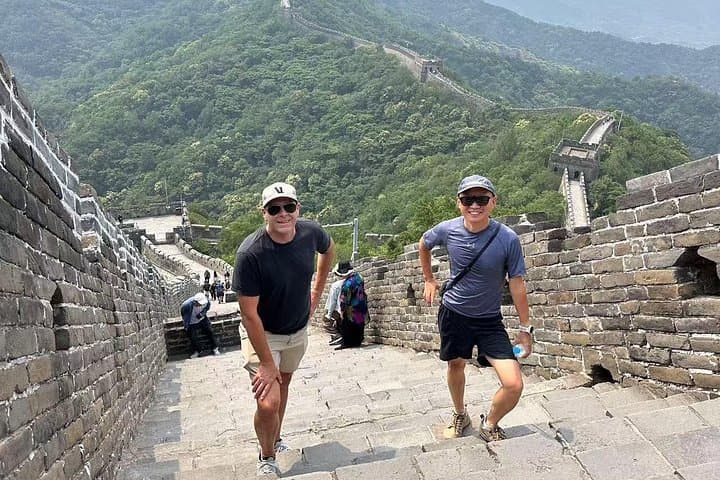
The wall appears over the ridgeline like an old guardian, stones worn by wind and boot leather, and Simatai’s towers lean toward the valley as if listening. You arrive from Beijing through pines and terraced fields, step from a private vehicle into a narrow cobblestone town, and set out along a Great Wall section that still keeps rough, steep steps and original Ming-era masonry.
Verified experiences and guided adventures in the surrounding area.
Operated by Flank · Beijing, Beijing
The wall appears over the ridgeline like an old guardian, stones worn by wind and boot leather, and Simatai’s towers lean toward the valley as if listening. You arrive from Beijing through pines and terraced fields, step from a private vehicle into a narrow cobblestone town, and set out along a Great Wall section that still keeps rough, steep steps and original Ming-era masonry.
Simatai and nearby Gubei Water Town sit in Miyun District, where 14th-century frontier defenses met mountain weather; the wall here follows sharp ridgelines and funnels views into the valley below. Geologically the area is granite and schist, giving the route solid but uneven footing and dramatic erosion-etched towers. Gubei’s canals and stone alleys reflect a more recent cultural revival—tourist-era shops built around traditional architecture that echo local crafts and foodways.
Expect a mix of hiking and cultural wandering: exposed ridgelines, stair climbs that test balance, and quiet alleys where tea houses beckon. The wall can be hot and exposed in summer, crisp and clear in fall, muddy in spring, and occasionally icy in winter.
Practical guidance: travel with comfortable, grippy shoes and layered clothing; carry at least 1.5–2 liters of water and cash for small vendors. Plan early starts to catch cooler temperatures and lighter crowds. The private tour handles transport and admissions but be prepared for stairs, short steep scrambles, and uneven surfaces—move deliberately and use trekking poles if you rely on added stability.
This private tour lists admissions as included—confirm with your operator at booking and have ID ready for ticketing.
Simatai is more rugged than many restored sections; expect steep, irregular steps and short ladder-like climbs—reasonable fitness and steady footing required.
Infants are allowed but must sit on an adult’s lap during transport; the wall’s steep sections may be unsuitable for very young children or those with mobility limits.
Yes—this is a private driver/guide experience and can be paced to focus on deeper historical interpretation, photography stops, or slower walking, within the operator’s itinerary.
Flank operates guided outdoor trips and adventures with an emphasis on safety, stewardship, and memorable experiences.
The wall appears over the ridgeline like an old guardian, stones worn by wind and boot leather, and Simatai’s towers lean toward the valley as if listening. You arrive from Beijing through pines and terraced fields, step from a private vehicle into a narrow cobblestone town, and set out along a Great Wall section that still keeps rough, steep steps and original Ming-era masonry.
The wall appears over the ridgeline like an old guardian, stones worn by wind and boot leather, and Simatai’s towers lean toward the valley as if listening. You arrive from Beijing through pines and terraced fields, step from a private vehicle into a narrow cobblestone town, and set out along a Great Wall section that still keeps rough, steep steps and original Ming-era masonry.
Simatai and nearby Gubei Water Town sit in Miyun District, where 14th-century frontier defenses met mountain weather; the wall here follows sharp ridgelines and funnels views into the valley below. Geologically the area is granite and schist, giving the route solid but uneven footing and dramatic erosion-etched towers. Gubei’s canals and stone alleys reflect a more recent cultural revival—tourist-era shops built around traditional architecture that echo local crafts and foodways.
Expect a mix of hiking and cultural wandering: exposed ridgelines, stair climbs that test balance, and quiet alleys where tea houses beckon. The wall can be hot and exposed in summer, crisp and clear in fall, muddy in spring, and occasionally icy in winter.
Practical guidance: travel with comfortable, grippy shoes and layered clothing; carry at least 1.5–2 liters of water and cash for small vendors. Plan early starts to catch cooler temperatures and lighter crowds. The private tour handles transport and admissions but be prepared for stairs, short steep scrambles, and uneven surfaces—move deliberately and use trekking poles if you rely on added stability.