THE ADVENTURE COLLECTIVE® · Independent discovery and booking for outdoor travel

Ride a historic tram to Belém and trace Lisbon’s Age of Discovery, the 1755 earthquake, and two UNESCO landmarks in a focused, private four-hour tour. Expect cobbled streets, river views, and a stop at the famous Pasteis de Belém.
Ride a historic tram to Belém and trace Lisbon’s Age of Discovery, the 1755 earthquake, and two UNESCO landmarks in a focused, private four-hour tour. Expect cobbled streets, river views, and a stop at the famous Pasteis de Belém.
The tram squeals around a low stone corner and the Tagus leans forward as if to show you the way. You step off in Belém—wind from the river nipping at your jacket—and a guide folds four centuries of maritime ambition, catastrophe and architectural bravado into a compact, deliberate route.
Verified experiences and guided adventures in the surrounding area.
Operated by Pentravel · Belém, Lisbon
The tram squeals around a low stone corner and the Tagus leans forward as if to show you the way. You step off in Belém—wind from the river nipping at your jacket—and a guide folds four centuries of maritime ambition, catastrophe and architectural bravado into a compact, deliberate route.
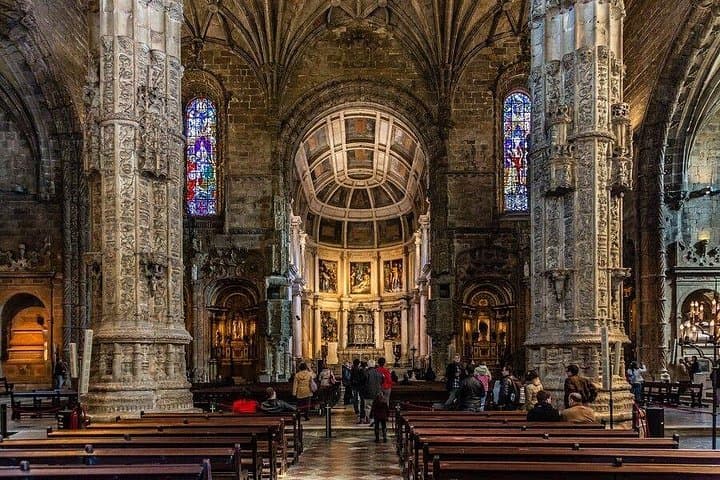
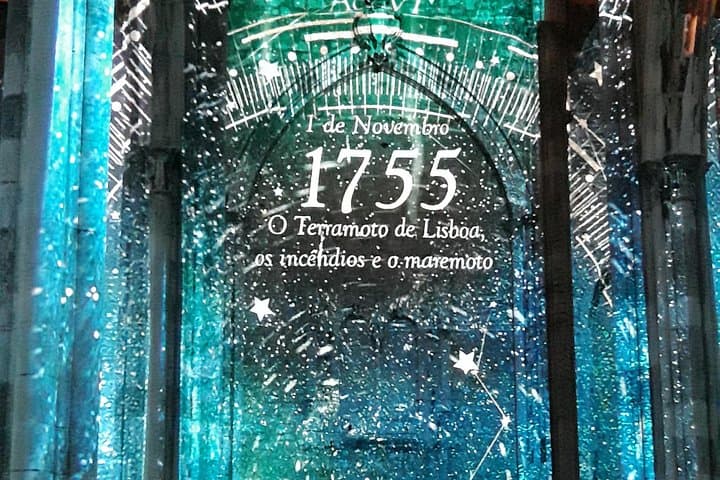
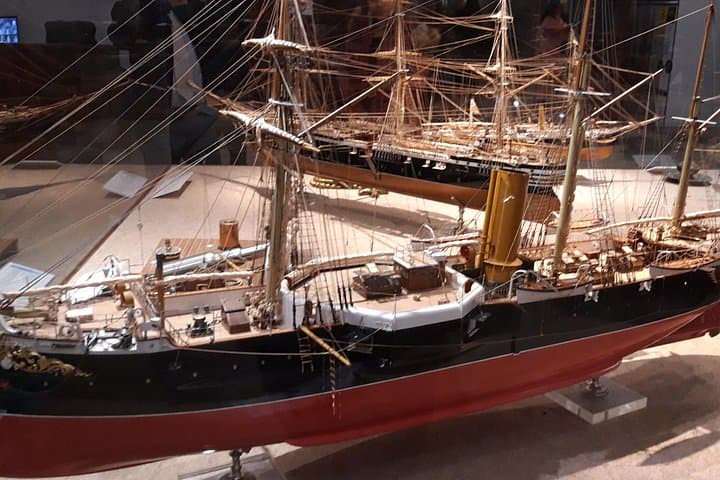
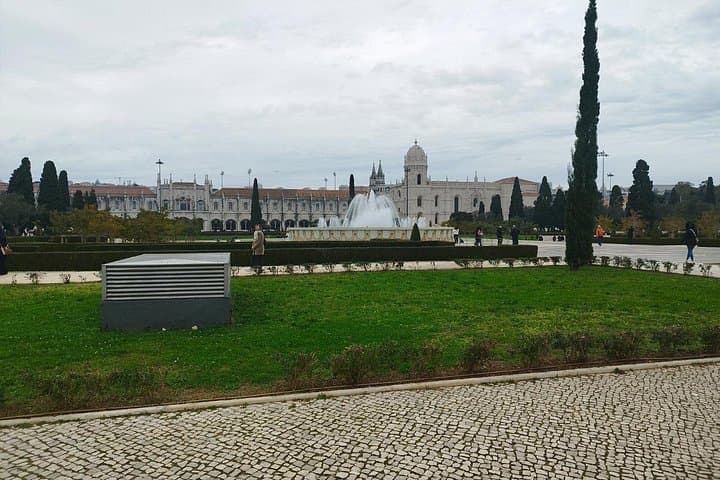
This private, four-hour tour threads Rossio to Belém by historic tram, pausing where Lisbon's 1755 earthquake reshaped streets and minds. The Quake Museum explains the geologic forces—an offshore megathrust earthquake and subsequent tsunami and fires—that flattened much of the city, while Jerónimos Monastery and Belém Tower demonstrate Portugal’s 16th-century maritime wealth and Manueline stonework. The Discoveries Monument lists the names that plotted new coasts, and Pasteis de Belém provides a sensory finish: warm custard and flaky pastry.
Expect a mix of walking on cobbles and short tram rides; the route is urban and accessible but uneven underfoot. Photography opportunities are constant—fortress walls, river views, and carved portals—so plan stops for composition and comfort. Guides contextualize maps, seismic history, and trade-era culture, and they can tailor pacing for families or slower walkers.
Practical notes: bring layered clothing for riverside wind, comfortable shoes for cobbles, and arrive with a charged phone for mobile tickets. Mid-morning departures avoid the busiest pastry queues and the harshest sun. This is a cultural, low-impact outing that combines geology, history, and Lisbon's living streets into a single, well-paced half-day.
The tour lasts approximately four hours, combining tram travel and walking stops.
Yes—it's rated easy and can be paced for families or slower walkers, though there is some standing and uneven ground.
Admission to the Quake Museum and entry to Jerónimos Monastery are included as specified; tram transport and pastry stop are part of the itinerary.
The meeting point is Rossio Square in central Lisbon; the guide leads to Belém by historic tram.
Pentravel operates guided outdoor trips and adventures with an emphasis on safety, stewardship, and memorable experiences.
The tram squeals around a low stone corner and the Tagus leans forward as if to show you the way. You step off in Belém—wind from the river nipping at your jacket—and a guide folds four centuries of maritime ambition, catastrophe and architectural bravado into a compact, deliberate route.
The tram squeals around a low stone corner and the Tagus leans forward as if to show you the way. You step off in Belém—wind from the river nipping at your jacket—and a guide folds four centuries of maritime ambition, catastrophe and architectural bravado into a compact, deliberate route.
This private, four-hour tour threads Rossio to Belém by historic tram, pausing where Lisbon's 1755 earthquake reshaped streets and minds. The Quake Museum explains the geologic forces—an offshore megathrust earthquake and subsequent tsunami and fires—that flattened much of the city, while Jerónimos Monastery and Belém Tower demonstrate Portugal’s 16th-century maritime wealth and Manueline stonework. The Discoveries Monument lists the names that plotted new coasts, and Pasteis de Belém provides a sensory finish: warm custard and flaky pastry.
Expect a mix of walking on cobbles and short tram rides; the route is urban and accessible but uneven underfoot. Photography opportunities are constant—fortress walls, river views, and carved portals—so plan stops for composition and comfort. Guides contextualize maps, seismic history, and trade-era culture, and they can tailor pacing for families or slower walkers.
Practical notes: bring layered clothing for riverside wind, comfortable shoes for cobbles, and arrive with a charged phone for mobile tickets. Mid-morning departures avoid the busiest pastry queues and the harshest sun. This is a cultural, low-impact outing that combines geology, history, and Lisbon's living streets into a single, well-paced half-day.