THE ADVENTURE COLLECTIVE® · Independent discovery and booking for outdoor travel

Combine Parque das Aves’ close-up encounters with macaws and rescued species with the sweeping panoramas of the Brazilian side of Iguaçu Falls on a private, hotel‑pickup tour. Perfect for photographers and wildlife lovers who prefer a guided, wheelchair‑accessible visit.
Combine Parque das Aves’ close-up encounters with macaws and rescued species with the sweeping panoramas of the Brazilian side of Iguaçu Falls on a private, hotel‑pickup tour. Perfect for photographers and wildlife lovers who prefer a guided, wheelchair‑accessible visit.
You step out of an air-conditioned vehicle into a humid ribbon of rainforest where the first thunder is not from thunderclouds but from falling water.
Verified experiences and guided adventures in the surrounding area.
Operated by Neumann Operadora de Receptivo · Foz do Iguaçu, Paraná
You step out of an air-conditioned vehicle into a humid ribbon of rainforest where the first thunder is not from thunderclouds but from falling water.
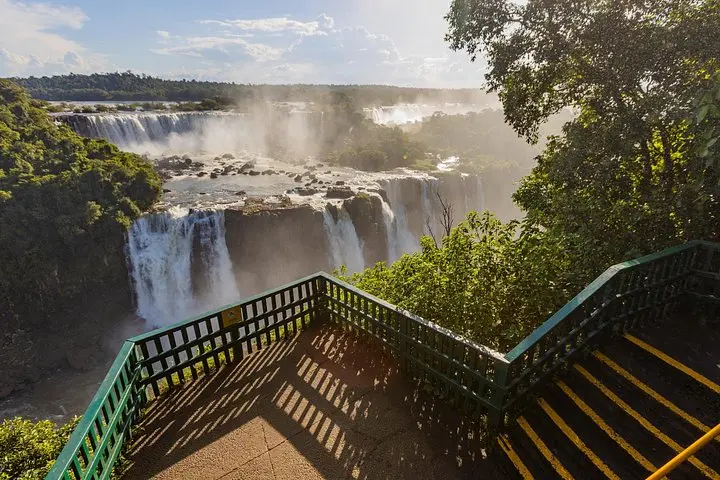
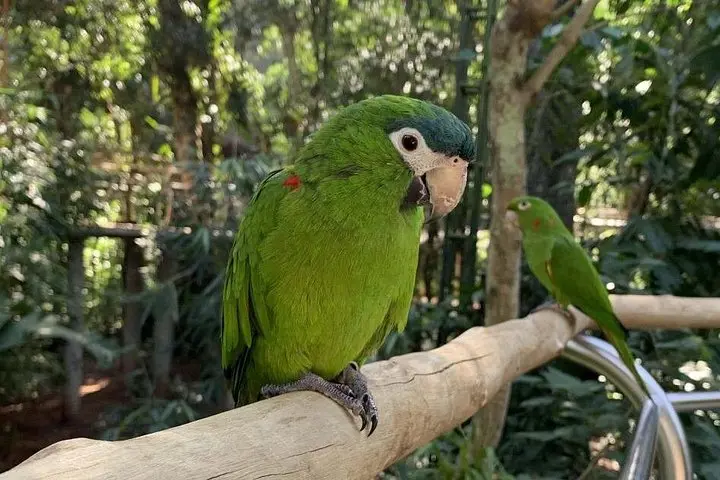
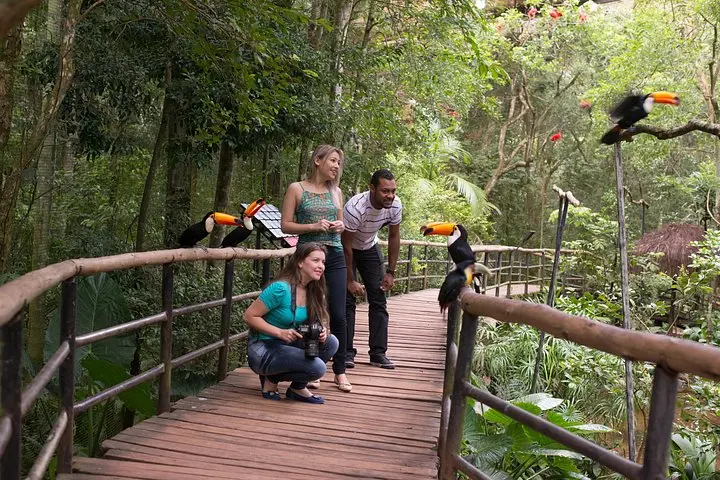
The walk begins at Parque das Aves, a living aviary where macaws wheel inside netted galleries and rescued birds move through reforested paths. From there the guide escorts you across the border for the Brazilian-side views of Iguaçu — a broad panorama that frames the falls as an unfolding, kinetic wall of water. The sound pushes you forward; spray finds the rim of your camera lens.
Geologically the falls sit on an eroded basalt plateau carved by the Iguaçu River; politically they fall between two countries and have been a protected area since early 20th-century conservation efforts. The region’s Guarani heritage remains visible in local crafts and place names, while the parks are now UNESCO-listed for both biodiversity and geologic significance.
Expect paved walkways on the Brazilian side with tiered viewpoints that prioritize sweeping vistas rather than long treks. Parque das Aves offers enclosed walkways and interpretive signage about rescue programs — many birds are rehabilitated here. Guides typically allocate about two hours at the bird park and three hours for the falls portion, including transit and border formalities.
Practical tips: bring a lightweight rain shell and quick-dry clothes for spray, carry your passport for border crossing, and wear sturdy shoes with good grip for wet boardwalks. Morning light produces cleaner photographs and cooler temperatures; late afternoons are busier with tour operators returning across the border.
This tour typically includes private transportation and guide services but not the park admissions; confirm at booking and have local currency or card ready.
Yes—crossing to the Brazilian side requires a valid passport and any necessary visas or entry documents for your nationality.
Both the vehicle transfer and major walkways at Parque das Aves and the main Brazilian viewpoints are accessible, though some boardwalks can be wet; advise the operator of accessibility needs in advance.
Expect moderate walking: roughly 1–2 miles of combined walking on paved paths and observation platforms, with stops for photos and interpretation.
Neumann Operadora de Receptivo operates guided outdoor trips and adventures with an emphasis on safety, stewardship, and memorable experiences.

You step out of an air-conditioned vehicle into a humid ribbon of rainforest where the first thunder is not from thunderclouds but from falling water.
You step out of an air-conditioned vehicle into a humid ribbon of rainforest where the first thunder is not from thunderclouds but from falling water.
The walk begins at Parque das Aves, a living aviary where macaws wheel inside netted galleries and rescued birds move through reforested paths. From there the guide escorts you across the border for the Brazilian-side views of Iguaçu — a broad panorama that frames the falls as an unfolding, kinetic wall of water. The sound pushes you forward; spray finds the rim of your camera lens.
Geologically the falls sit on an eroded basalt plateau carved by the Iguaçu River; politically they fall between two countries and have been a protected area since early 20th-century conservation efforts. The region’s Guarani heritage remains visible in local crafts and place names, while the parks are now UNESCO-listed for both biodiversity and geologic significance.
Expect paved walkways on the Brazilian side with tiered viewpoints that prioritize sweeping vistas rather than long treks. Parque das Aves offers enclosed walkways and interpretive signage about rescue programs — many birds are rehabilitated here. Guides typically allocate about two hours at the bird park and three hours for the falls portion, including transit and border formalities.
Practical tips: bring a lightweight rain shell and quick-dry clothes for spray, carry your passport for border crossing, and wear sturdy shoes with good grip for wet boardwalks. Morning light produces cleaner photographs and cooler temperatures; late afternoons are busier with tour operators returning across the border.