THE ADVENTURE COLLECTIVE® · Independent discovery and booking for outdoor travel

Travel a day from Panglao through Bohol’s signature landscapes: mahogany avenues, cone-shaped Chocolate Hills, shy tarsiers, and a leisurely Loboc River cruise with local music and lunch. This private tour pairs cultural sites with nature highlights for a full, flexible countryside experience.
Travel a day from Panglao through Bohol’s signature landscapes: mahogany avenues, cone-shaped Chocolate Hills, shy tarsiers, and a leisurely Loboc River cruise with local music and lunch. This private tour pairs cultural sites with nature highlights for a full, flexible countryside experience.
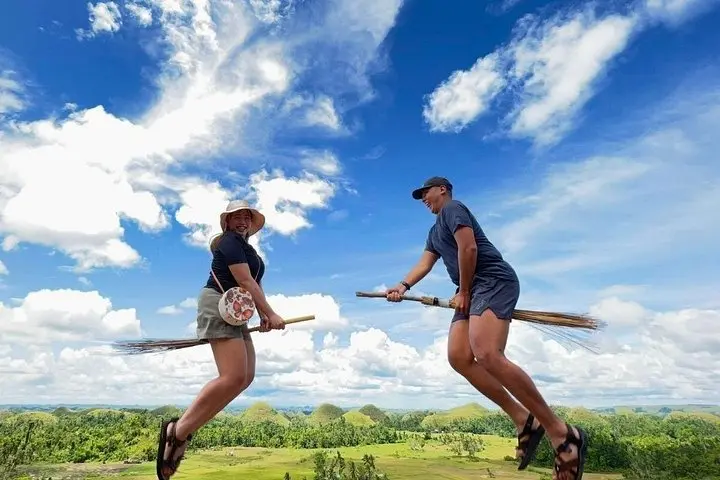
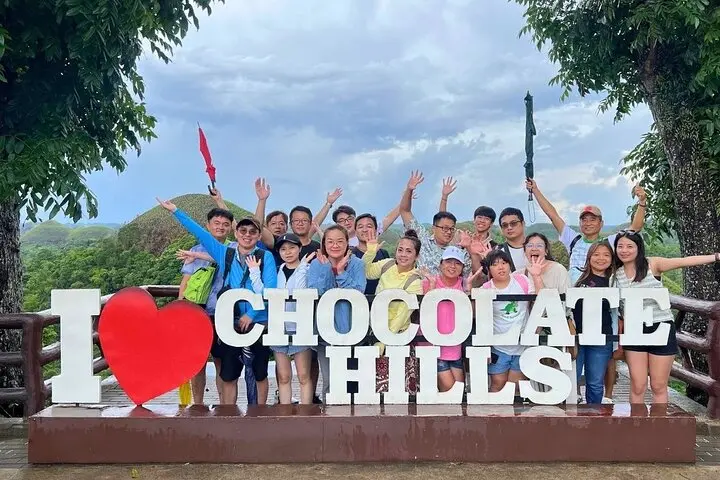
The day begins on a coastal road in Panglao; warm air from the sea pushes inland while a driver-guide navigates toward the island’s karst heart. Within an hour the landscape tightens into a corridor of mahogany—known locally as the Man-Made Forest—before the road opens onto rounded limestone mounds that dominate the horizon: the Chocolate Hills. A short climb to the viewing terrace rewards you with a field of over a thousand conical hills that turn russet in the dry months, a clear demonstration of karst processes and centuries of erosion.
Verified experiences and guided adventures in the surrounding area.
Operated by GoPanglao Travel and Tours · Tagbilaran, Bohol
The day begins on a coastal road in Panglao; warm air from the sea pushes inland while a driver-guide navigates toward the island’s karst heart. Within an hour the landscape tightens into a corridor of mahogany—known locally as the Man-Made Forest—before the road opens onto rounded limestone mounds that dominate the horizon: the Chocolate Hills. A short climb to the viewing terrace rewards you with a field of over a thousand conical hills that turn russet in the dry months, a clear demonstration of karst processes and centuries of erosion.
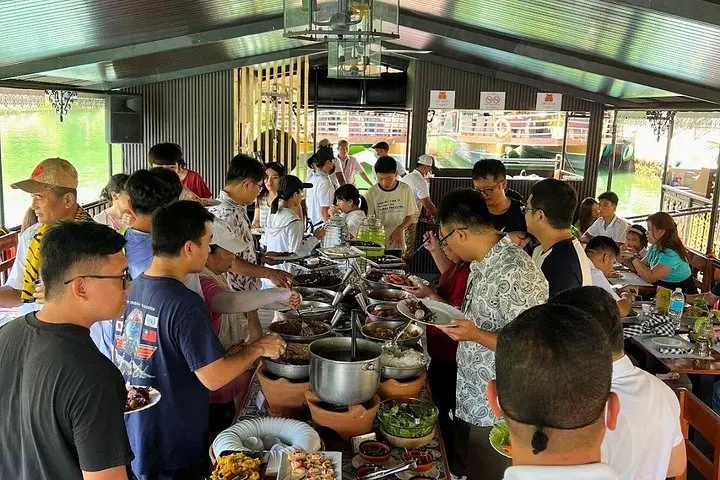
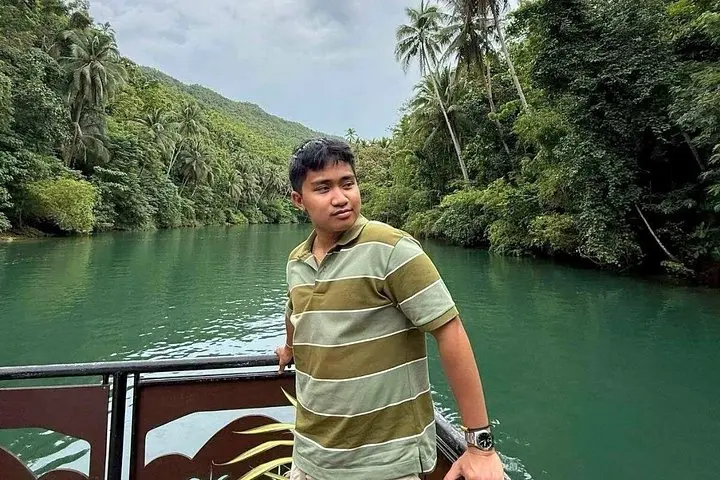
Bohol’s coastline and interior are stitched together by Spanish-era churches like Baclayon and sites such as the Blood Compact marker, each a chapter in the island’s colonial and precolonial history. The Philippine Tarsier Sanctuary introduces the island’s most elusive resident: tiny, nocturnal primates that require low-light, quiet viewing and strict distance. Midday the Loboc River offers a contrasting pace—gliding buffet cruise, palms brushing the bamboo railings, and often local musicians on board.
Practical notes: expect a full 6–8 hour private circuit with multiple short walks and minimal sustained elevation gain; the tour is accessible to most fitness levels. Bring cash for small entrance fees, be prepared to lower your voice at the tarsier site, and plan travel time from Panglao or Tagbilaran if you’re staying on the coast. Optional add-ons include ATV rides around the Chocolate Hills and zipline experiences at Loboc Ecotourism Park for those seeking adrenaline between cultural stops.
The typical Loboc buffet cruise included on this tour lasts about 60 minutes and combines food with live local performances.
You can observe tarsiers from designated quiet viewing areas; interaction is limited—no touching or flash photography—to protect the animals.
Many stops are accessible by vehicle but individual sites like the Tarsier Sanctuary and viewpoint terraces have steps and uneven paths; check specifics with the operator if mobility is limited.
Some entrance fees are included per the tour details, but confirm which sites and whether optional activities such as the ATV ride or zipline require additional payment.
GoPanglao Travel and Tours operates guided outdoor trips and adventures with an emphasis on safety, stewardship, and memorable experiences.
The day begins on a coastal road in Panglao; warm air from the sea pushes inland while a driver-guide navigates toward the island’s karst heart. Within an hour the landscape tightens into a corridor of mahogany—known locally as the Man-Made Forest—before the road opens onto rounded limestone mounds that dominate the horizon: the Chocolate Hills. A short climb to the viewing terrace rewards you with a field of over a thousand conical hills that turn russet in the dry months, a clear demonstration of karst processes and centuries of erosion.
The day begins on a coastal road in Panglao; warm air from the sea pushes inland while a driver-guide navigates toward the island’s karst heart. Within an hour the landscape tightens into a corridor of mahogany—known locally as the Man-Made Forest—before the road opens onto rounded limestone mounds that dominate the horizon: the Chocolate Hills. A short climb to the viewing terrace rewards you with a field of over a thousand conical hills that turn russet in the dry months, a clear demonstration of karst processes and centuries of erosion.
Bohol’s coastline and interior are stitched together by Spanish-era churches like Baclayon and sites such as the Blood Compact marker, each a chapter in the island’s colonial and precolonial history. The Philippine Tarsier Sanctuary introduces the island’s most elusive resident: tiny, nocturnal primates that require low-light, quiet viewing and strict distance. Midday the Loboc River offers a contrasting pace—gliding buffet cruise, palms brushing the bamboo railings, and often local musicians on board.
Practical notes: expect a full 6–8 hour private circuit with multiple short walks and minimal sustained elevation gain; the tour is accessible to most fitness levels. Bring cash for small entrance fees, be prepared to lower your voice at the tarsier site, and plan travel time from Panglao or Tagbilaran if you’re staying on the coast. Optional add-ons include ATV rides around the Chocolate Hills and zipline experiences at Loboc Ecotourism Park for those seeking adrenaline between cultural stops.