THE ADVENTURE COLLECTIVE® · Independent discovery and booking for outdoor travel

Walk Bordeaux’s historic core with a professional historian, from Saint‑André to the Pont de Pierre, then finish with a glass at a local wine bar. This private, two‑hour tour blends architectural history and insider wine tips for a compact, revealing city experience.
Walk Bordeaux’s historic core with a professional historian, from Saint‑André to the Pont de Pierre, then finish with a glass at a local wine bar. This private, two‑hour tour blends architectural history and insider wine tips for a compact, revealing city experience.
You emerge from a narrow street onto Place de la Bourse and the city opens like a map: 18th‑century stone, the Miroir d'Eau throwing back the sky, and the Garonne river nudging the quay. The guide meets you with a practiced stride and a string of stories—royal weddings, medieval trade, and the stubborn growth of a port city that made fortunes from wine.
Verified experiences and guided adventures in the surrounding area.
Operated by Bordeaux Free Walking Tours · Bordeaux, Nouvelle-Aquitaine
You emerge from a narrow street onto Place de la Bourse and the city opens like a map: 18th‑century stone, the Miroir d'Eau throwing back the sky, and the Garonne river nudging the quay. The guide meets you with a practiced stride and a string of stories—royal weddings, medieval trade, and the stubborn growth of a port city that made fortunes from wine.
Bordeaux’s streets are layered history. Roman roads evolved into Rue Sainte‑Catherine, Europe’s longest pedestrian artery. Gothic pinnacles at Saint‑André and the Gothic‑Renaissance Porte Cailhau mark eras of contest and commerce; the Grand Théâtre’s neoclassical colonnade announces the 18th‑century boom when Bordeaux became France’s Atlantic gateway. Cultural life here is as much about cafés and late‑night wine bars as it is about monuments—the city’s UNESCO core reflects civic planning and mercantile power.
Practicalities keep the experience smooth. The private, two‑hour walk covers compact distances on mostly flat, paved streets—expect intermittent cobbles and pedestrian zones. The tour includes a local guide in English and a glass of Bordeaux at a partner wine bar; visits to a nearby château are arranged but may require extra transit or booking. The route is wheelchair and stroller accessible in many sections, though some older alleys retain uneven stones.
Plan for comfortable shoes, a light layer for river breezes, and ID if you’ll sample wine. Start mid‑morning to avoid crowds and to see light on the façades, or choose late afternoon for softer tones and livelier bars. This is a close, tactile way to feel Bordeaux’s past while tasting its present.
Much of the route is on paved, pedestrian zones and is wheelchair accessible, though a few historic alleys may be uneven—confirm any special requirements when booking.
The tour includes a glass of Bordeaux at a partner bar; visits to a château are arranged as an add‑on and may involve extra transit or booking fees.
This listing specifies an English‑speaking guide; private tours can often be arranged in other languages on request—check availability when booking.
This is a private walking tour tailored to your group; capacity depends on the operator but is designed for small private groups for a personalized experience.
Bordeaux Free Walking Tours operates guided outdoor trips and adventures with an emphasis on safety, stewardship, and memorable experiences.
You emerge from a narrow street onto Place de la Bourse and the city opens like a map: 18th‑century stone, the Miroir d'Eau throwing back the sky, and the Garonne river nudging the quay. The guide meets you with a practiced stride and a string of stories—royal weddings, medieval trade, and the stubborn growth of a port city that made fortunes from wine.
You emerge from a narrow street onto Place de la Bourse and the city opens like a map: 18th‑century stone, the Miroir d'Eau throwing back the sky, and the Garonne river nudging the quay. The guide meets you with a practiced stride and a string of stories—royal weddings, medieval trade, and the stubborn growth of a port city that made fortunes from wine.
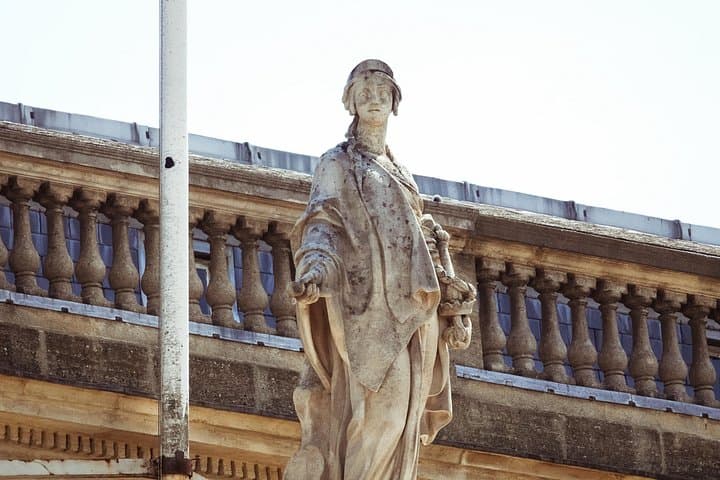
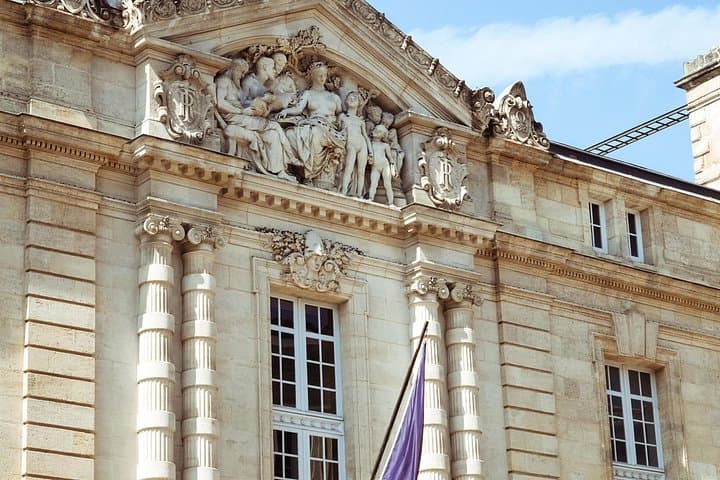
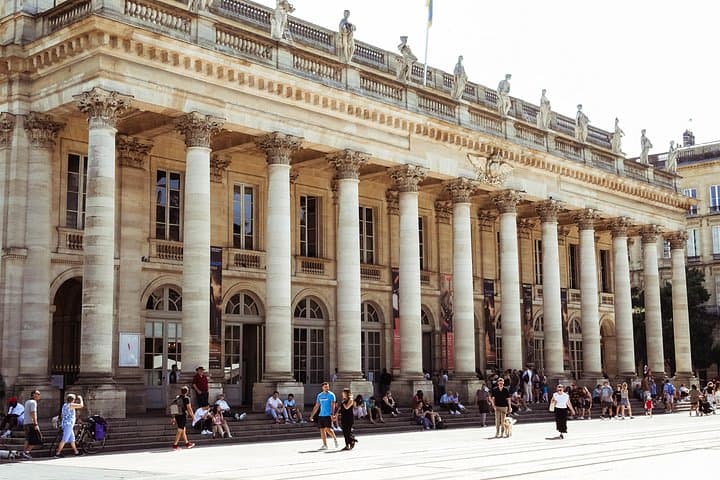
Bordeaux’s streets are layered history. Roman roads evolved into Rue Sainte‑Catherine, Europe’s longest pedestrian artery. Gothic pinnacles at Saint‑André and the Gothic‑Renaissance Porte Cailhau mark eras of contest and commerce; the Grand Théâtre’s neoclassical colonnade announces the 18th‑century boom when Bordeaux became France’s Atlantic gateway. Cultural life here is as much about cafés and late‑night wine bars as it is about monuments—the city’s UNESCO core reflects civic planning and mercantile power.
Practicalities keep the experience smooth. The private, two‑hour walk covers compact distances on mostly flat, paved streets—expect intermittent cobbles and pedestrian zones. The tour includes a local guide in English and a glass of Bordeaux at a partner wine bar; visits to a nearby château are arranged but may require extra transit or booking. The route is wheelchair and stroller accessible in many sections, though some older alleys retain uneven stones.
Plan for comfortable shoes, a light layer for river breezes, and ID if you’ll sample wine. Start mid‑morning to avoid crowds and to see light on the façades, or choose late afternoon for softer tones and livelier bars. This is a close, tactile way to feel Bordeaux’s past while tasting its present.