THE ADVENTURE COLLECTIVE® · Independent discovery and booking for outdoor travel

Navigate eight million objects with an expert guide on a private 2.5-hour highlights tour of the British Museum. See the Rosetta Stone, Elgin Marbles and other landmark artifacts while learning the cultural and conservation stories behind them.
Navigate eight million objects with an expert guide on a private 2.5-hour highlights tour of the British Museum. See the Rosetta Stone, Elgin Marbles and other landmark artifacts while learning the cultural and conservation stories behind them.
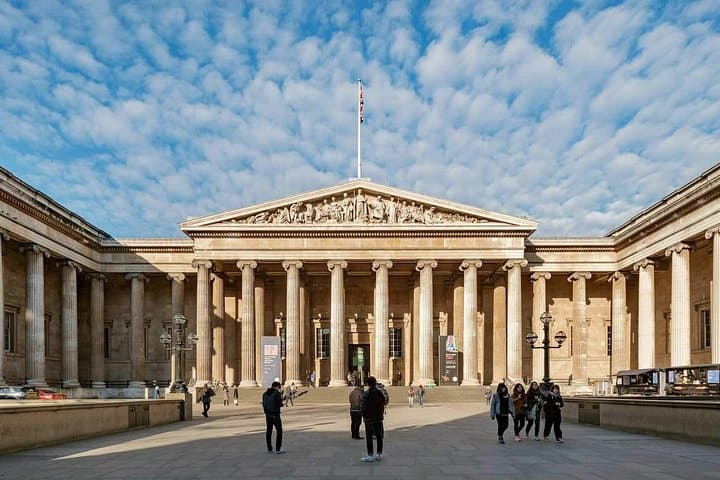
A hush of footfalls and the glint of centuries-old stone: step through the British Museum’s arched entrance and the city noise slips away. In a private 2.5-hour tour an expert guide threads you through rooms where script, sculpture and metalwork hold fast to stories of empire, trade and human ingenuity—Rosetta Stone’s worn grooves, the angular drama of the Elgin Marbles, and the intimate geometry of the Lewis Chessmen.
Verified experiences and guided adventures in the surrounding area.
Operated by The Great Weekender · London, Greater London
A hush of footfalls and the glint of centuries-old stone: step through the British Museum’s arched entrance and the city noise slips away. In a private 2.5-hour tour an expert guide threads you through rooms where script, sculpture and metalwork hold fast to stories of empire, trade and human ingenuity—Rosetta Stone’s worn grooves, the angular drama of the Elgin Marbles, and the intimate geometry of the Lewis Chessmen.
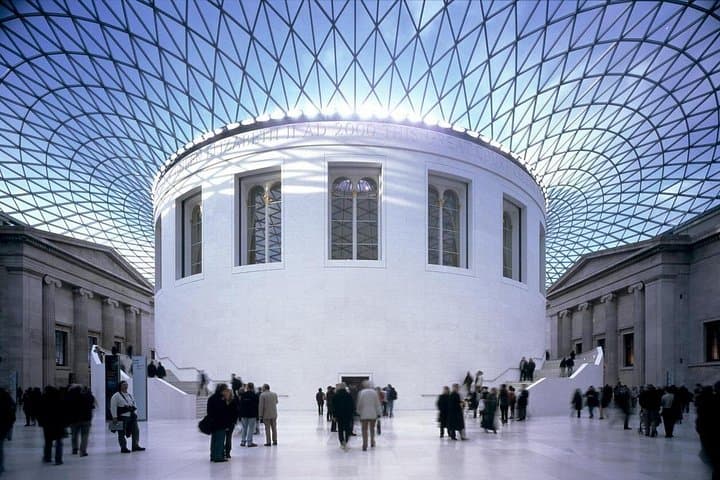
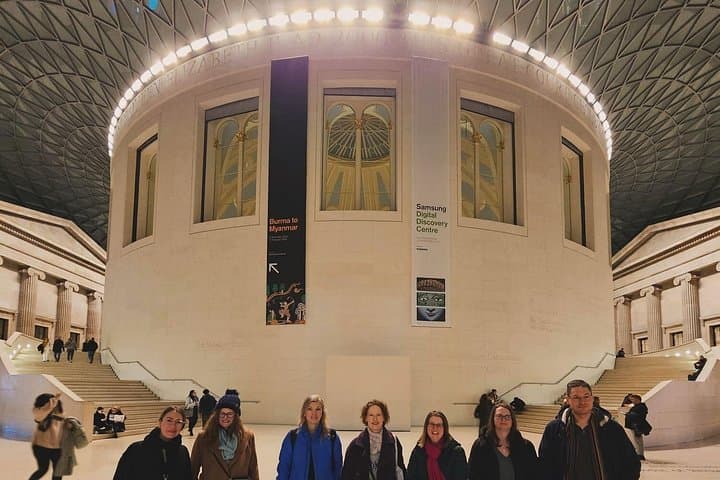
The museum began in 1753 from Sir Hans Sloane’s collection and opened to the public in 1759, growing into one of the world’s largest repositories of antiquities. The building itself reflects Georgian and Victorian collecting culture; beneath the glass and steel of the Great Court you’ll see how modern interventions meet archaeological holdings. Expect cultural context—Britain’s collecting history, the contested provenance of some objects, and conservation practices that preserve fragile materials.
This private experience emphasizes highlights and tailored interpretation, making dense galleries legible in a single visit. Practical edge: the tour is timed-entry and wheelchair accessible, with moderate walking over mostly level museum floors. Wear supportive shoes, bring a small bag for essentials, and plan for security screening. Peak mid-day crowds occur in summer; early slots are quieter. Photography without flash is usually permitted but restricted in some cases—ask your guide. Finish with a coffee in the Great Court or a short walk to Bloomsbury’s squares to let the artifacts’ voices settle before returning to the street.
The private tour includes timed entry to the British Museum as noted in the tour inclusions—bring your confirmation so staff can validate the booking.
Yes—museum floors and many galleries are wheelchair accessible and transportation options noted in the listing are accessible; notify the operator of specific mobility needs in advance.
Typically yes without flash and for personal use, but some artifacts or temporary exhibits may prohibit photography—your guide will advise on-site rules.
This is a private booking tailored to your party; check the provider’s booking page for the maximum allowed per reservation.
The Great Weekender operates guided outdoor trips and adventures with an emphasis on safety, stewardship, and memorable experiences.

A hush of footfalls and the glint of centuries-old stone: step through the British Museum’s arched entrance and the city noise slips away. In a private 2.5-hour tour an expert guide threads you through rooms where script, sculpture and metalwork hold fast to stories of empire, trade and human ingenuity—Rosetta Stone’s worn grooves, the angular drama of the Elgin Marbles, and the intimate geometry of the Lewis Chessmen.
A hush of footfalls and the glint of centuries-old stone: step through the British Museum’s arched entrance and the city noise slips away. In a private 2.5-hour tour an expert guide threads you through rooms where script, sculpture and metalwork hold fast to stories of empire, trade and human ingenuity—Rosetta Stone’s worn grooves, the angular drama of the Elgin Marbles, and the intimate geometry of the Lewis Chessmen.
The museum began in 1753 from Sir Hans Sloane’s collection and opened to the public in 1759, growing into one of the world’s largest repositories of antiquities. The building itself reflects Georgian and Victorian collecting culture; beneath the glass and steel of the Great Court you’ll see how modern interventions meet archaeological holdings. Expect cultural context—Britain’s collecting history, the contested provenance of some objects, and conservation practices that preserve fragile materials.
This private experience emphasizes highlights and tailored interpretation, making dense galleries legible in a single visit. Practical edge: the tour is timed-entry and wheelchair accessible, with moderate walking over mostly level museum floors. Wear supportive shoes, bring a small bag for essentials, and plan for security screening. Peak mid-day crowds occur in summer; early slots are quieter. Photography without flash is usually permitted but restricted in some cases—ask your guide. Finish with a coffee in the Great Court or a short walk to Bloomsbury’s squares to let the artifacts’ voices settle before returning to the street.