THE ADVENTURE COLLECTIVE® · Independent discovery and booking for outdoor travel
Spend three hours with a private expert guide at the British Museum, exploring the Rosetta Stone, Parthenon marbles, mummies, and hidden galleries. This in-depth tour pairs close-looking with cultural context and practical insights for a richer visit.
Spend three hours with a private expert guide at the British Museum, exploring the Rosetta Stone, Parthenon marbles, mummies, and hidden galleries. This in-depth tour pairs close-looking with cultural context and practical insights for a richer visit.
You step through the museum's grand stone entrance and the world narrows to objects older than nations. Light from the glass roof lays over display cases; a carved head from Ancient Egypt seems to watch as your guide leads you toward the Rosetta Stone, where language itself was unpicked.
Verified experiences and guided adventures in the surrounding area.
Operated by Bespoke Britain · London, England
You step through the museum's grand stone entrance and the world narrows to objects older than nations. Light from the glass roof lays over display cases; a carved head from Ancient Egypt seems to watch as your guide leads you toward the Rosetta Stone, where language itself was unpicked.
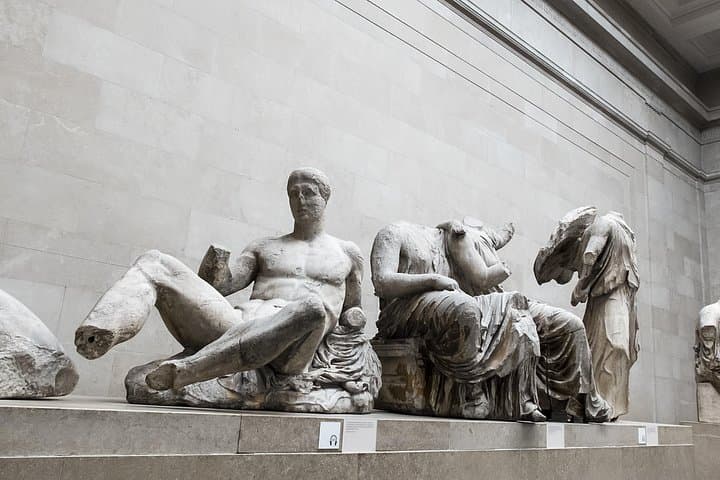
The British Museum opened to the public in 1759 and was one of the first institutions to present global collections for public study. Its holdings span millennia—from Egyptian funerary sculpture to Greek Parthenon marbles and Viking hoards—each object carrying layers of human craft, conflict, and exchange. The galleries sit atop London clay and mortar, but the real strata are human: imperial collecting, Victorian scholarship, and modern debates about provenance and repatriation.
Your private guide will thread these stories together, revealing technical details—stone types, carving techniques, inscription styles—and cultural context: how trade routes and conquest moved objects across continents. They’ll point out lesser-seen rooms and composition details that casual visits miss, and explain why some artifacts remain controversial.
Practically, expect three hours of mostly indoor walking with frequent stops for explanation. Arrive with comfortable shoes and a charged phone for photos where allowed; security bag checks are standard. The museum is wheelchair accessible and served by multiple Underground lines, so plan transit over parking. Bring a small water bottle and allow time afterward to sit in the Great Court or stroll nearby Russell Square to collect your thoughts before rejoining the city’s rush.
The British Museum’s permanent collection is free to enter; private guided services typically charge for the guide rather than museum admission. Special exhibitions may require tickets.
Yes—the British Museum is wheelchair accessible and the tour can be adapted; let the operator know any mobility needs when booking.
Children are welcome and the museum is stroller accessible; consider the tour pace and content when bringing very young children.
Non-flash photography is usually permitted in the permanent galleries, but flash and tripods are often restricted and some objects or temporary exhibitions may prohibit photos—confirm with your guide.
Bespoke Britain operates guided outdoor trips and adventures with an emphasis on safety, stewardship, and memorable experiences.
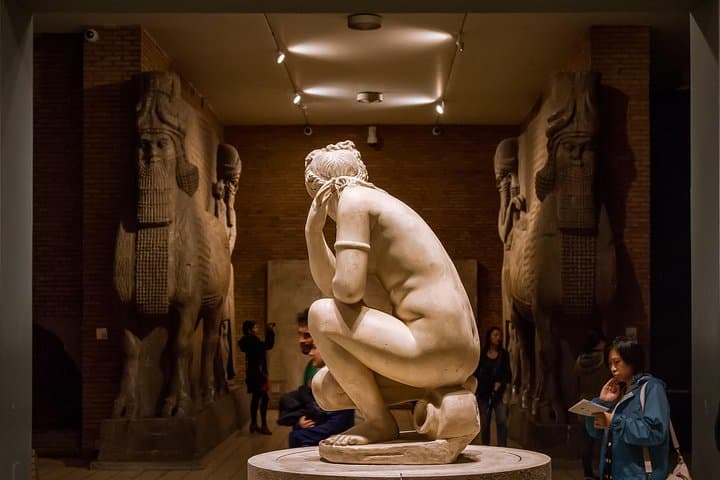
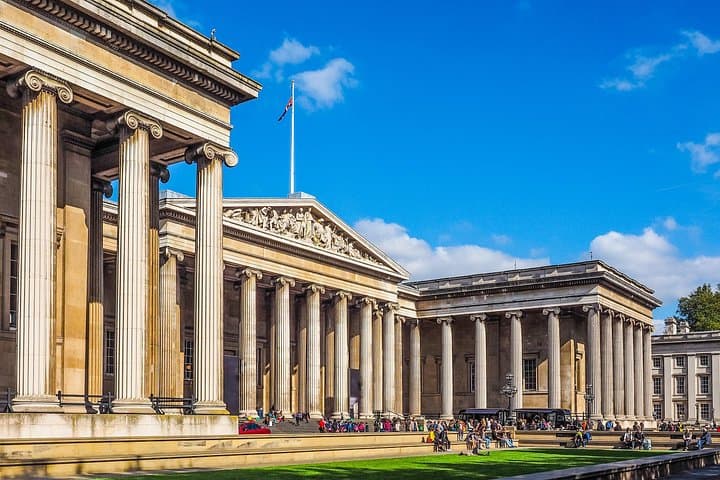
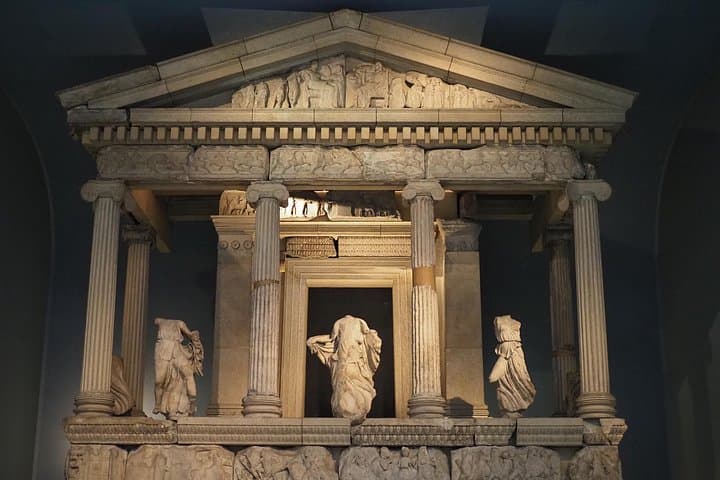
You step through the museum's grand stone entrance and the world narrows to objects older than nations. Light from the glass roof lays over display cases; a carved head from Ancient Egypt seems to watch as your guide leads you toward the Rosetta Stone, where language itself was unpicked.
You step through the museum's grand stone entrance and the world narrows to objects older than nations. Light from the glass roof lays over display cases; a carved head from Ancient Egypt seems to watch as your guide leads you toward the Rosetta Stone, where language itself was unpicked.
The British Museum opened to the public in 1759 and was one of the first institutions to present global collections for public study. Its holdings span millennia—from Egyptian funerary sculpture to Greek Parthenon marbles and Viking hoards—each object carrying layers of human craft, conflict, and exchange. The galleries sit atop London clay and mortar, but the real strata are human: imperial collecting, Victorian scholarship, and modern debates about provenance and repatriation.
Your private guide will thread these stories together, revealing technical details—stone types, carving techniques, inscription styles—and cultural context: how trade routes and conquest moved objects across continents. They’ll point out lesser-seen rooms and composition details that casual visits miss, and explain why some artifacts remain controversial.
Practically, expect three hours of mostly indoor walking with frequent stops for explanation. Arrive with comfortable shoes and a charged phone for photos where allowed; security bag checks are standard. The museum is wheelchair accessible and served by multiple Underground lines, so plan transit over parking. Bring a small water bottle and allow time afterward to sit in the Great Court or stroll nearby Russell Square to collect your thoughts before rejoining the city’s rush.
