THE ADVENTURE COLLECTIVE® · Independent discovery and booking for outdoor travel

Clock a city’s highlights in one polished sweep: a private four-hour car tour that moves from Parliament to Gellért Hill with a local guide. Expect fast access to iconic views, short walks to lookout points, and practical tips to make the most of your time in Budapest.
Clock a city’s highlights in one polished sweep: a private four-hour car tour that moves from Parliament to Gellért Hill with a local guide. Expect fast access to iconic views, short walks to lookout points, and practical tips to make the most of your time in Budapest.
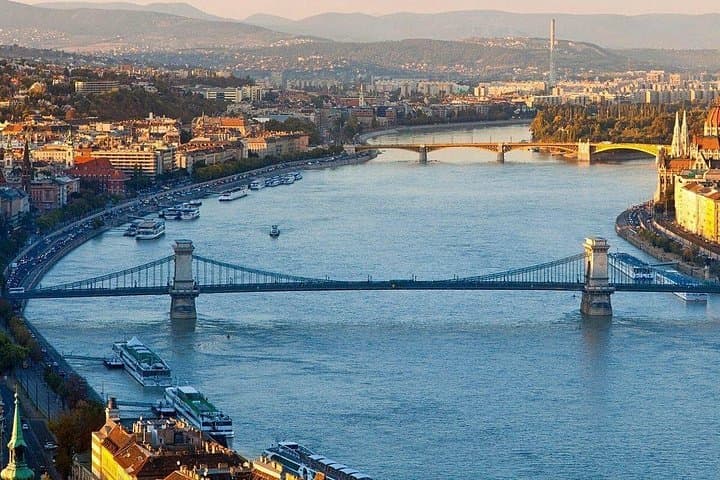
You pull up to the river and the Danube doesn’t look calm — it feels purposeful, slicing Budapest into two different moods. On the Pest side, broad boulevards and scaffolds of ornate façades breathe the grand ambition of the Austro-Hungarian era. Across the bridges, Buda’s hills keep a quieter, older rhythm: cobbled streets, crenellated roofs and lookout points that make the city look readable from a single glance.
Verified experiences and guided adventures in the surrounding area.
Operated by Budapest Day Trips · Budapest, Budapest
You pull up to the river and the Danube doesn’t look calm — it feels purposeful, slicing Budapest into two different moods. On the Pest side, broad boulevards and scaffolds of ornate façades breathe the grand ambition of the Austro-Hungarian era. Across the bridges, Buda’s hills keep a quieter, older rhythm: cobbled streets, crenellated roofs and lookout points that make the city look readable from a single glance.
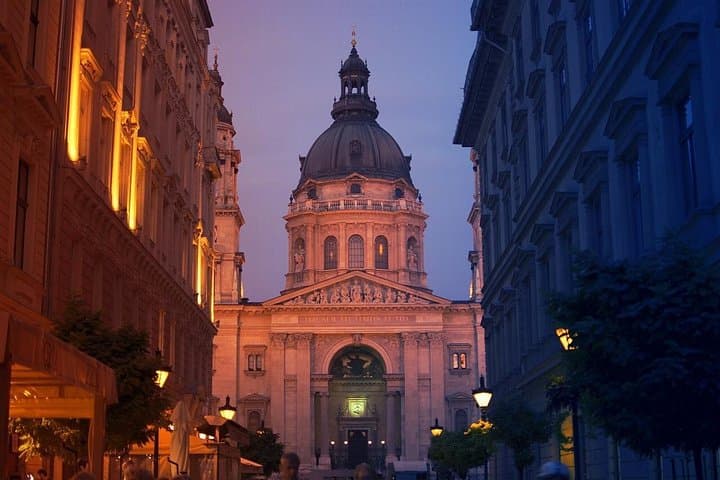
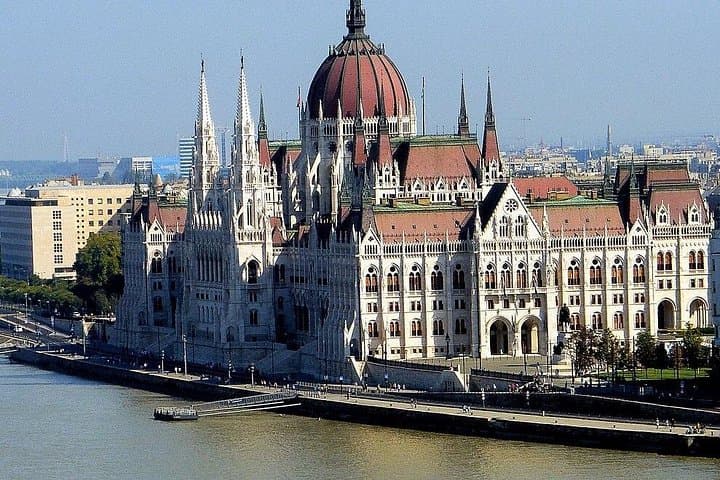
A private, four-hour car tour gives you that panoramic reading in one sweep. Your guide collects you from your hotel and the itinerary moves with a steady logic: Parliament’s neo-Gothic mass on the riverbank, the stepped terraces of Fishermen’s Bastion, the jewel-box Matthias Church, and the historic sweep of Andrássy Avenue leading to Heroes’ Square and City Park. You’ll stop at Gellért Hill for a city-wide view and pass the architectural flourishes of the Opera House and the Great Market Hall.
This route is a crash course in the layers that shaped Budapest. Geologically, the city sits in the Pannonian Basin with thermal springs bubbling up through ancient fault lines — the reason Budapest’s thermal baths have been a civic feature since Roman and Ottoman times. Politically and culturally, the bridges and the Parliament reflect a 19th-century drive to unify Buda and Pest into a modern capital; the scale and detail of public monuments speak to that ambition.
Beyond monuments you’ll get local texture: the ruin bars of the Jewish Quarter that rose from post-socialist improvisation, market stalls selling lángos and paprika, and the wary calm of memorials that mark 20th-century upheavals. Your guide can tailor stops to your interests — quick photo ops, a short thermal-bath detour, or time for a coffee in a historic café.
Practicalities are simple but worth noting. The tour is wheelchair and stroller accessible in most stops, but expect short walks and stairs at hilltop viewpoints and Fishermen’s Bastion. Traffic can slow mid-morning and late afternoon; starting early keeps the schedule flexible. Wear comfortable shoes for brief cobbled sections, bring a light layer for hilltop wind, and carry a small amount of cash for market snacks or small entrance fees.
For photographers, the best frames come at sunrise or late afternoon when the Danube catches light and the stonework warms. If you want to linger inside museums or baths, mention it when booking — a private car makes those adjustments possible but will shorten other stops. Ultimately, this is a curated city primer: efficient, flexible and rooted in a guide’s local knowledge, designed to let you step off the car and into Budapest’s history, one view at a time.
Most stops and the vehicle are wheelchair accessible, but some hilltop viewpoints have stairs—check with the operator to plan accessible alternatives.
Yes. It’s a private tour so you can request adjustments like spending extra time at baths or skipping certain sites—notify your guide at the start.
This tour typically covers transportation and guiding; admissions to museums or baths are usually extra—confirm at booking.
Vehicles vary; typical private cars seat up to 3–4 comfortably, while larger private vans can accommodate bigger groups—confirm capacity when booking.
Yes, pickup and drop-off from most Budapest hotels, trains, and agreed meeting points are included in the tour.
English-language guides are standard; other language options may be available—request specific languages at booking.
Budapest Day Trips operates guided outdoor trips and adventures with an emphasis on safety, stewardship, and memorable experiences.

You pull up to the river and the Danube doesn’t look calm — it feels purposeful, slicing Budapest into two different moods. On the Pest side, broad boulevards and scaffolds of ornate façades breathe the grand ambition of the Austro-Hungarian era. Across the bridges, Buda’s hills keep a quieter, older rhythm: cobbled streets, crenellated roofs and lookout points that make the city look readable from a single glance.
You pull up to the river and the Danube doesn’t look calm — it feels purposeful, slicing Budapest into two different moods. On the Pest side, broad boulevards and scaffolds of ornate façades breathe the grand ambition of the Austro-Hungarian era. Across the bridges, Buda’s hills keep a quieter, older rhythm: cobbled streets, crenellated roofs and lookout points that make the city look readable from a single glance.
A private, four-hour car tour gives you that panoramic reading in one sweep. Your guide collects you from your hotel and the itinerary moves with a steady logic: Parliament’s neo-Gothic mass on the riverbank, the stepped terraces of Fishermen’s Bastion, the jewel-box Matthias Church, and the historic sweep of Andrássy Avenue leading to Heroes’ Square and City Park. You’ll stop at Gellért Hill for a city-wide view and pass the architectural flourishes of the Opera House and the Great Market Hall.
This route is a crash course in the layers that shaped Budapest. Geologically, the city sits in the Pannonian Basin with thermal springs bubbling up through ancient fault lines — the reason Budapest’s thermal baths have been a civic feature since Roman and Ottoman times. Politically and culturally, the bridges and the Parliament reflect a 19th-century drive to unify Buda and Pest into a modern capital; the scale and detail of public monuments speak to that ambition.
Beyond monuments you’ll get local texture: the ruin bars of the Jewish Quarter that rose from post-socialist improvisation, market stalls selling lángos and paprika, and the wary calm of memorials that mark 20th-century upheavals. Your guide can tailor stops to your interests — quick photo ops, a short thermal-bath detour, or time for a coffee in a historic café.
Practicalities are simple but worth noting. The tour is wheelchair and stroller accessible in most stops, but expect short walks and stairs at hilltop viewpoints and Fishermen’s Bastion. Traffic can slow mid-morning and late afternoon; starting early keeps the schedule flexible. Wear comfortable shoes for brief cobbled sections, bring a light layer for hilltop wind, and carry a small amount of cash for market snacks or small entrance fees.
For photographers, the best frames come at sunrise or late afternoon when the Danube catches light and the stonework warms. If you want to linger inside museums or baths, mention it when booking — a private car makes those adjustments possible but will shorten other stops. Ultimately, this is a curated city primer: efficient, flexible and rooted in a guide’s local knowledge, designed to let you step off the car and into Budapest’s history, one view at a time.