THE ADVENTURE COLLECTIVE® · Independent discovery and booking for outdoor travel

Explore Tongdosa — a 7th-century Buddhist temple that houses relics instead of a main statue — on a private full-day tour from Busan. Combine quiet mountain temples, a Busan bamboo walk and coastal viewpoints with customizable stops in Gyeongju.
Explore Tongdosa — a 7th-century Buddhist temple that houses relics instead of a main statue — on a private full-day tour from Busan. Combine quiet mountain temples, a Busan bamboo walk and coastal viewpoints with customizable stops in Gyeongju.
The tour begins on a coastal road with salt air and the rumble of buses in the distance, then narrows into the quiet foothills where Tongdosa’s tiled roofs appear between cedar trunks. Travelers step out of a private vehicle into a courtyard where the temple’s stones and timber have been rearranged by centuries of ritual — there is a hush that feels deliberate, like the landscape itself is observing.
Verified experiences and guided adventures in the surrounding area.
Operated by Here Korea Travel · Yangsan, South Gyeongsang
The tour begins on a coastal road with salt air and the rumble of buses in the distance, then narrows into the quiet foothills where Tongdosa’s tiled roofs appear between cedar trunks. Travelers step out of a private vehicle into a courtyard where the temple’s stones and timber have been rearranged by centuries of ritual — there is a hush that feels deliberate, like the landscape itself is observing.
Tongdosa is one of Korea’s Three Jewel Temples, founded in the 7th century to house relics of the Buddha rather than a statue. The site sits where low mountains give way to terraced pines and bamboo slopes; the regional geology of coastal Gyeongsangnam-do produces hard granite outcrops, gentle ridgelines and fertile valleys that supported monastic communities for a thousand years.
Culturally the stop is both pilgrimage and architecture lesson: stone bridges, incense halls and wooden pagodas mapped to Korean Seon (Zen) practice. Nearby Busan and Gyeongju anchor the day — urban seafood markets and Silla-era tomb mounds are an easy follow-up.
Practical guidance: expect a full 8–9 hour private day with multiple short walks and several photo stops. Wear supportive walking shoes for uneven temple courtyards and bamboo trails. Carry water, sun protection and modest clothing for sacred sites. If you plan to add the coastal “sky capsule” or Gamcheon Cultural Village, allow extra time; the private guide can customize timing and tickets. Early starts avoid crowds and afternoon heat, and most operators include hotel pickup in Busan or Gyeongju.
Most bookings include hotel pickup and drop-off in Busan or Gyeongju; confirm your pickup location when you reserve.
Admissions vary by stop — Tongdosa and many outdoor viewpoints can be visited with no ticket, but optional attractions (museums, train capsules) may require separate fees.
Duplicate field removed
Yes — the private format lets you choose additional stops like Haedong Yonggungsa, Gamcheon Cultural Village, or a Gyeongju extension; allow extra time for added sites.
Here Korea Travel operates guided outdoor trips and adventures with an emphasis on safety, stewardship, and memorable experiences.
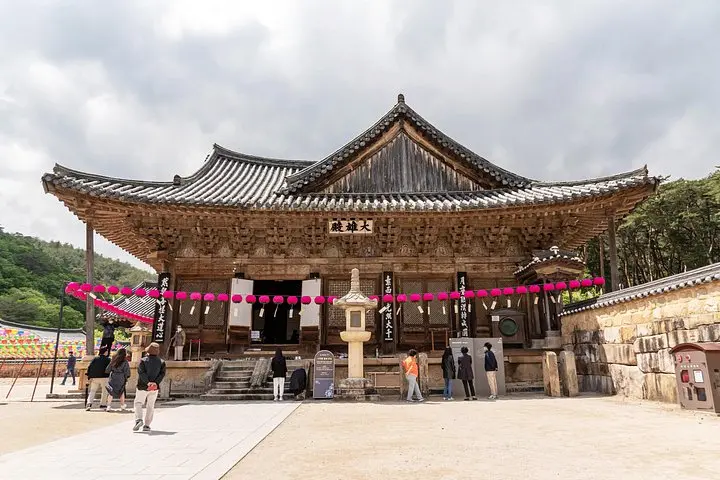
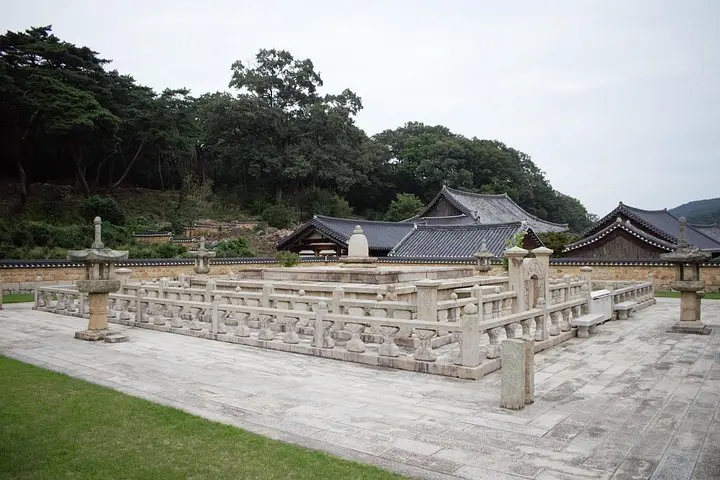
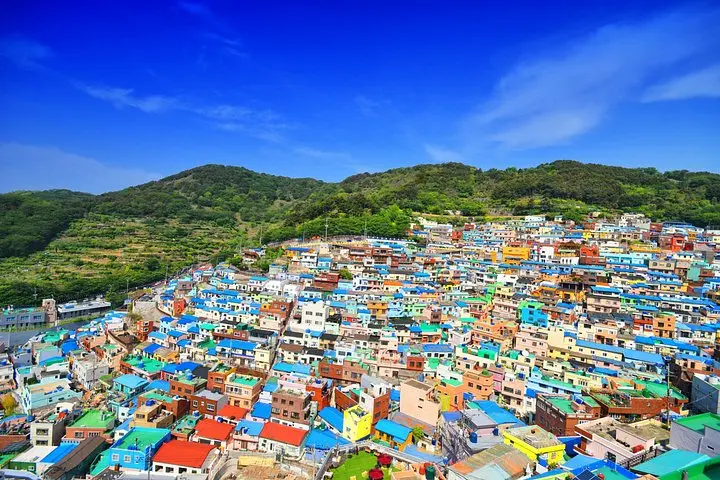
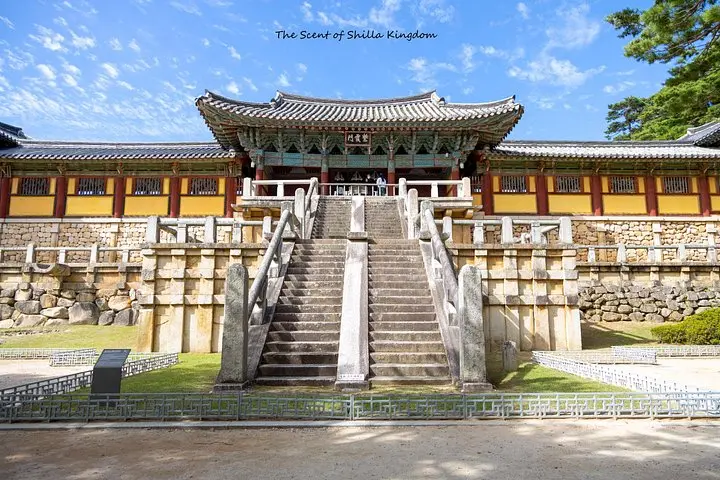
The tour begins on a coastal road with salt air and the rumble of buses in the distance, then narrows into the quiet foothills where Tongdosa’s tiled roofs appear between cedar trunks. Travelers step out of a private vehicle into a courtyard where the temple’s stones and timber have been rearranged by centuries of ritual — there is a hush that feels deliberate, like the landscape itself is observing.
The tour begins on a coastal road with salt air and the rumble of buses in the distance, then narrows into the quiet foothills where Tongdosa’s tiled roofs appear between cedar trunks. Travelers step out of a private vehicle into a courtyard where the temple’s stones and timber have been rearranged by centuries of ritual — there is a hush that feels deliberate, like the landscape itself is observing.
Tongdosa is one of Korea’s Three Jewel Temples, founded in the 7th century to house relics of the Buddha rather than a statue. The site sits where low mountains give way to terraced pines and bamboo slopes; the regional geology of coastal Gyeongsangnam-do produces hard granite outcrops, gentle ridgelines and fertile valleys that supported monastic communities for a thousand years.
Culturally the stop is both pilgrimage and architecture lesson: stone bridges, incense halls and wooden pagodas mapped to Korean Seon (Zen) practice. Nearby Busan and Gyeongju anchor the day — urban seafood markets and Silla-era tomb mounds are an easy follow-up.
Practical guidance: expect a full 8–9 hour private day with multiple short walks and several photo stops. Wear supportive walking shoes for uneven temple courtyards and bamboo trails. Carry water, sun protection and modest clothing for sacred sites. If you plan to add the coastal “sky capsule” or Gamcheon Cultural Village, allow extra time; the private guide can customize timing and tickets. Early starts avoid crowds and afternoon heat, and most operators include hotel pickup in Busan or Gyeongju.