THE ADVENTURE COLLECTIVE® · Independent discovery and booking for outdoor travel

Ride a camel beside the soaring Giza pyramids, stand before the silent Sphinx, and later move through the Egyptian Museum’s troves — all in one private, full-day Cairo tour. This guide covers what to expect, how to prepare, and practical tips to make the day run smoothly.
Ride a camel beside the soaring Giza pyramids, stand before the silent Sphinx, and later move through the Egyptian Museum’s troves — all in one private, full-day Cairo tour. This guide covers what to expect, how to prepare, and practical tips to make the day run smoothly.
Stand on the tan lip of the Giza Plateau and the air changes — a dry wind nudges grit across the stones while the Great Pyramid holds the horizon like a slow-moving machine. Your day begins here: a camel ride along the sand beside three monumental tombs, a close inspection of the Sphinx’s worn features, then a short drive back into central Cairo to stand in the hush of the Egyptian Museum’s galleries.
Verified experiences and guided adventures in the surrounding area.
Stand on the tan lip of the Giza Plateau and the air changes — a dry wind nudges grit across the stones while the Great Pyramid holds the horizon like a slow-moving machine. Your day begins here: a camel ride along the sand beside three monumental tombs, a close inspection of the Sphinx’s worn features, then a short drive back into central Cairo to stand in the hush of the Egyptian Museum’s galleries.
The route stitches together 4,500 years of Egyptian statecraft and craft: Old Kingdom pyramids carved from local limestone, the Valley Temple’s dressed blocks, and the museum’s collection of royal burial goods, including the treasures linked to Tutankhamun. Geology matters here — the plateau is compacted limestone over a shallow bedrock, while the Nile’s floodplain to the east made ancient settlement and agriculture possible.
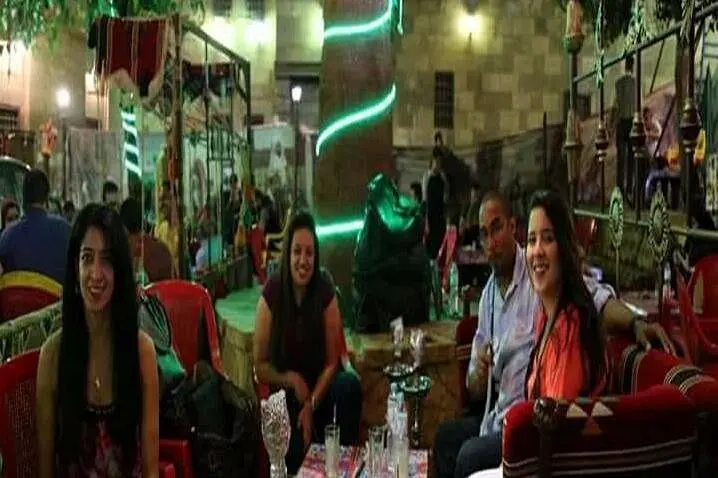
Culture bubbles differently: at Khan el-Khalili the city’s commercial heart has traded spices, metalwork, and stories for centuries; bargaining is part commerce, part theatre. Expect vendors calling, the scent of coffee and spices, and tight alleys that demand attention.
Practical guidance: this is a full, 8-hour day with uneven surfaces, sand and steps. Bring sun protection and a reusable water bottle; comfortable closed-toe shoes are essential for the plateau and museum steps. Follow your guide for museum photography rules and when to dismount camels — safety briefings are standard. Plan early starts in summer to avoid peak heat, carry small local cash for tips and bazaar purchases, and allow time for security checks at both sites. With sensible pacing, the day balances raw outdoor exposure and museum-focused exploration into a compact introduction to Cairo’s most iconic places.
Camel rides beside the pyramids are usually short — typically 10–20 minutes — and guided for safety; duration can vary by operator.
Photography rules vary by room and exhibit; follow your guide and posted signs — flash and tripods are often restricted to protect artifacts.
This tour includes lunch, commonly at a local restaurant offering Egyptian dishes like grilled meats, salads and rice; vegetarian options are generally available on request.
The tour typically includes entry to main sites, but special chambers (like some burial chambers or private museum rooms) can require additional tickets — confirm with your provider.
Stand on the tan lip of the Giza Plateau and the air changes — a dry wind nudges grit across the stones while the Great Pyramid holds the horizon like a slow-moving machine. Your day begins here: a camel ride along the sand beside three monumental tombs, a close inspection of the Sphinx’s worn features, then a short drive back into central Cairo to stand in the hush of the Egyptian Museum’s galleries.
Stand on the tan lip of the Giza Plateau and the air changes — a dry wind nudges grit across the stones while the Great Pyramid holds the horizon like a slow-moving machine. Your day begins here: a camel ride along the sand beside three monumental tombs, a close inspection of the Sphinx’s worn features, then a short drive back into central Cairo to stand in the hush of the Egyptian Museum’s galleries.
The route stitches together 4,500 years of Egyptian statecraft and craft: Old Kingdom pyramids carved from local limestone, the Valley Temple’s dressed blocks, and the museum’s collection of royal burial goods, including the treasures linked to Tutankhamun. Geology matters here — the plateau is compacted limestone over a shallow bedrock, while the Nile’s floodplain to the east made ancient settlement and agriculture possible.
Culture bubbles differently: at Khan el-Khalili the city’s commercial heart has traded spices, metalwork, and stories for centuries; bargaining is part commerce, part theatre. Expect vendors calling, the scent of coffee and spices, and tight alleys that demand attention.
Practical guidance: this is a full, 8-hour day with uneven surfaces, sand and steps. Bring sun protection and a reusable water bottle; comfortable closed-toe shoes are essential for the plateau and museum steps. Follow your guide for museum photography rules and when to dismount camels — safety briefings are standard. Plan early starts in summer to avoid peak heat, carry small local cash for tips and bazaar purchases, and allow time for security checks at both sites. With sensible pacing, the day balances raw outdoor exposure and museum-focused exploration into a compact introduction to Cairo’s most iconic places.