THE ADVENTURE COLLECTIVE® · Independent discovery and booking for outdoor travel

Taste your way through Islamic Cairo on a private four‑hour food tour that visits local markets and family kitchens. Learn food history, try street classics, and get tips from a local guide on where locals really eat.
Taste your way through Islamic Cairo on a private four‑hour food tour that visits local markets and family kitchens. Learn food history, try street classics, and get tips from a local guide on where locals really eat.
You step out of a shaded alley into a sun-warmed market where steam and smoke rise like signals—the call to eat has a geometry here: narrow lanes, stacked spices, and the steady pulse of vendors. This four‑hour private Cairo food tour threads through Islamic Cairo, moving from market stalls to hole‑in‑the‑wall kitchens where recipes pass between hands more than pages.
Verified experiences and guided adventures in the surrounding area.
Operated by Camel Ride at Giza Pyramids · Cairo, Cairo Governorate
You step out of a shaded alley into a sun-warmed market where steam and smoke rise like signals—the call to eat has a geometry here: narrow lanes, stacked spices, and the steady pulse of vendors. This four‑hour private Cairo food tour threads through Islamic Cairo, moving from market stalls to hole‑in‑the‑wall kitchens where recipes pass between hands more than pages.
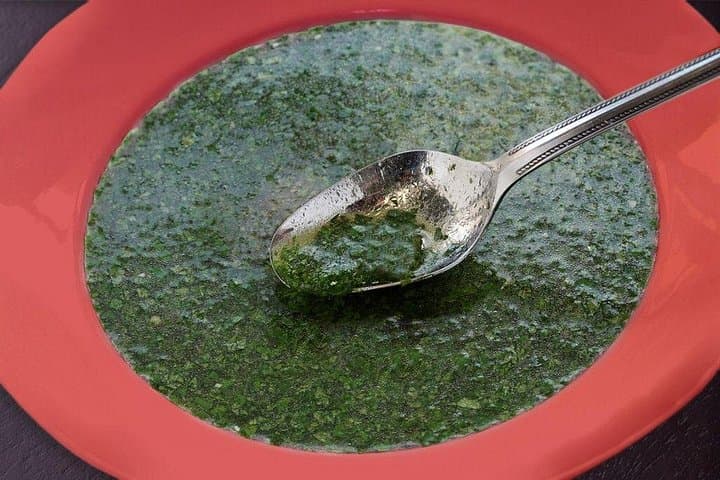
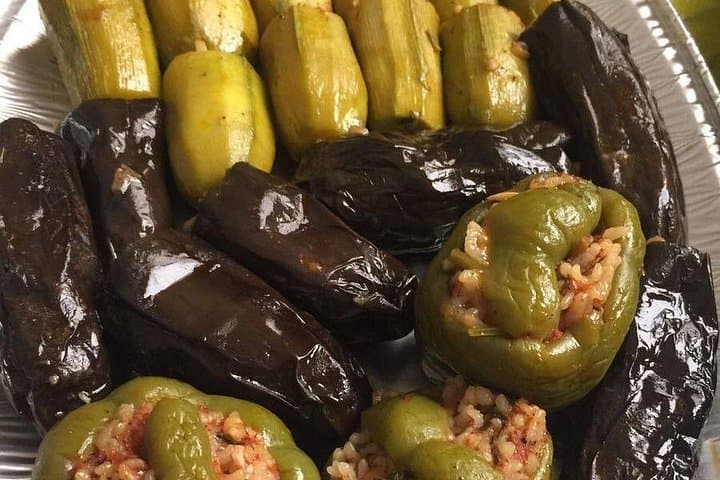
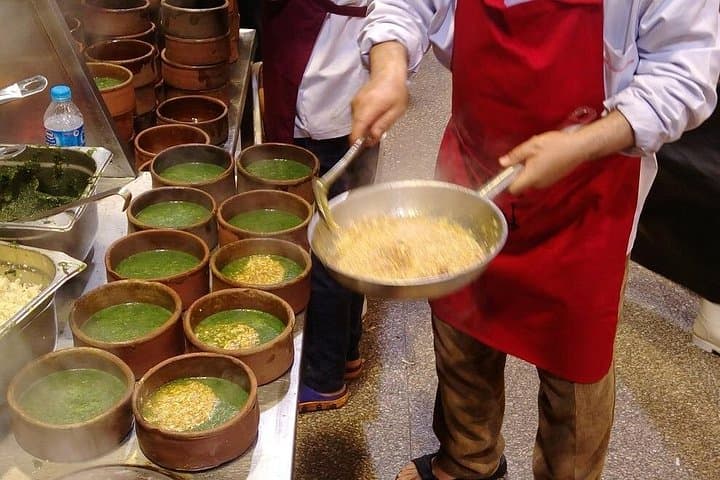
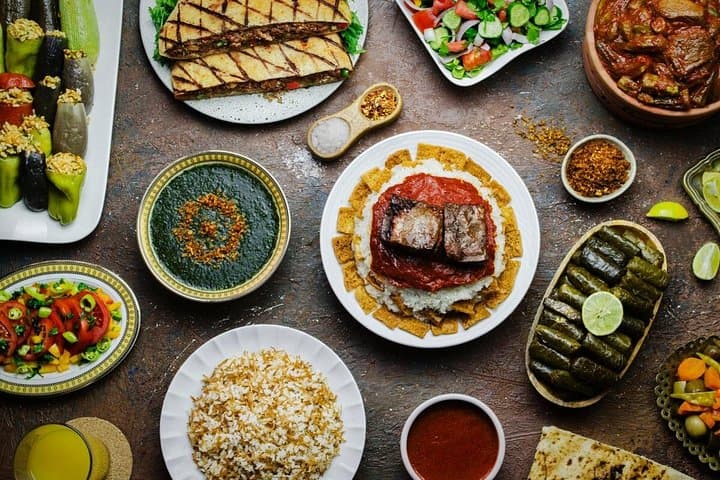
Cairo’s food culture is rooted in the Nile floodplain that made agriculture abundant, and in centuries of trade through the eastern Mediterranean that introduced spices, legumes, and sweets. In Islamic Cairo you’ll encounter Ottoman, Levantine, and Pharaonic influences: ful medames and ta’ameya at dawn, layered breads still warm from stone ovens, and spice merchants whose blends echo trade routes. The urban geology—limestone quarries nearby and the Nile’s alluvial plain—shaped the city’s neighborhoods and marketplaces, concentrating public life along narrow streets that amplify scent and sound.
Expect a paced, private walk with a local guide who explains ingredients, cooking techniques, and the social role of food in Egyptian life. Learn where locals eat, how to order, and which stalls aim for daily regulars rather than tourists. Practical guidance: wear comfortable walking shoes for uneven pavement, carry a reusable water bottle, and keep small bills for quick purchases. Timings matter—mornings and early evenings offer cooler temperatures and more authentic street food scenes. Bring curiosity, come hungry, and let the city’s flavors lead the way.
Yes—this private tour includes pickup and drop‑off within Cairo as described in the booking details.
Guides can avoid ingredients on request and suggest alternatives, but notify the operator ahead of time for best results.
The listing notes wheelchair accessibility, though some historic lanes may be narrow or uneven—confirm specifics with the operator before booking.
Tipping customs vary; consider tipping the guide 10–15% of the tour price if you’re satisfied, and small change for vendor conveniences.
Camel Ride at Giza Pyramids operates guided outdoor trips and adventures with an emphasis on safety, stewardship, and memorable experiences.
You step out of a shaded alley into a sun-warmed market where steam and smoke rise like signals—the call to eat has a geometry here: narrow lanes, stacked spices, and the steady pulse of vendors. This four‑hour private Cairo food tour threads through Islamic Cairo, moving from market stalls to hole‑in‑the‑wall kitchens where recipes pass between hands more than pages.
You step out of a shaded alley into a sun-warmed market where steam and smoke rise like signals—the call to eat has a geometry here: narrow lanes, stacked spices, and the steady pulse of vendors. This four‑hour private Cairo food tour threads through Islamic Cairo, moving from market stalls to hole‑in‑the‑wall kitchens where recipes pass between hands more than pages.
Cairo’s food culture is rooted in the Nile floodplain that made agriculture abundant, and in centuries of trade through the eastern Mediterranean that introduced spices, legumes, and sweets. In Islamic Cairo you’ll encounter Ottoman, Levantine, and Pharaonic influences: ful medames and ta’ameya at dawn, layered breads still warm from stone ovens, and spice merchants whose blends echo trade routes. The urban geology—limestone quarries nearby and the Nile’s alluvial plain—shaped the city’s neighborhoods and marketplaces, concentrating public life along narrow streets that amplify scent and sound.
Expect a paced, private walk with a local guide who explains ingredients, cooking techniques, and the social role of food in Egyptian life. Learn where locals eat, how to order, and which stalls aim for daily regulars rather than tourists. Practical guidance: wear comfortable walking shoes for uneven pavement, carry a reusable water bottle, and keep small bills for quick purchases. Timings matter—mornings and early evenings offer cooler temperatures and more authentic street food scenes. Bring curiosity, come hungry, and let the city’s flavors lead the way.