THE ADVENTURE COLLECTIVE® · Independent discovery and booking for outdoor travel

Explore papyrus making, try ancient aromatherapy oils, watch glass and goldsmiths at work, and shop Egyptian cotton on a four‑hour private tour through Cairo and Giza — all with a trusted guide and lunch included.
Explore papyrus making, try ancient aromatherapy oils, watch glass and goldsmiths at work, and shop Egyptian cotton on a four‑hour private tour through Cairo and Giza — all with a trusted guide and lunch included.
You step out of the air‑conditioned car into a market that still moves by hand and smell: papyrus sheets drying on racks, vats of essential oils lifting citrus and resin into the open air, and glassmakers turning molten color under a spray of sparks. The day unfolds like a sequence of crafts — each stop a workbench where materials with roots in the Nile are transformed into objects you can hold.
Verified experiences and guided adventures in the surrounding area.
Operated by Daily Pyramids Tours · Cairo, Cairo Governorate
You step out of the air‑conditioned car into a market that still moves by hand and smell: papyrus sheets drying on racks, vats of essential oils lifting citrus and resin into the open air, and glassmakers turning molten color under a spray of sparks. The day unfolds like a sequence of crafts — each stop a workbench where materials with roots in the Nile are transformed into objects you can hold.
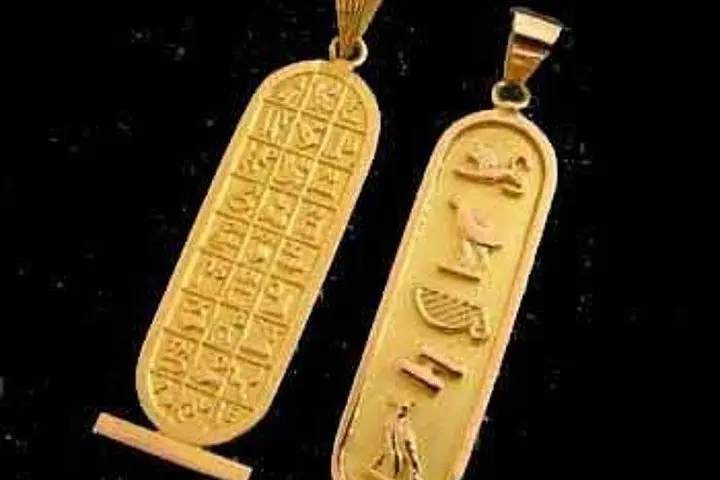
Papyrus production and linen weaving trace to the river’s edge: the Nile’s alluvial plain feeds cotton fields and once supplied papyrus stands used for writing. Goldsmithing and glasswork draw on techniques refined across millennia of Egyptian urban life; government-run bazaars and workshops in Cairo and Giza present those traditions with labeled prices and curated displays rather than aggressive street bargaining. The route moves from a papyrus institute to an aromatherapy distillery and glass workshop, then to a government gold bazaar and an Egyptian cotton center — capped with a simple traditional lunch.
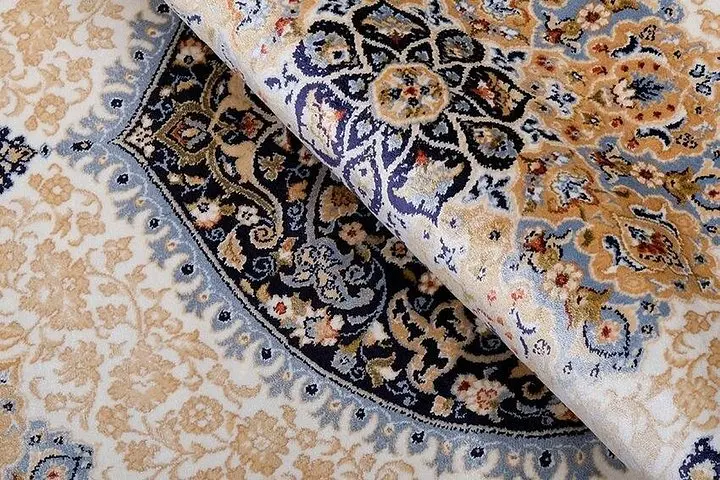
Practically: the four‑hour private format means a guided, door‑to‑door flow with time to ask questions and test scents and dyes. Expect close quarters indoors at workshops, clear price labeling at the government market, and opportunities to see demonstrations. Bring small bills for purchases, a camera with permission requests ready, and a lightweight layer for cooler indoor showrooms. The tour suits travelers who want hands‑on cultural context more than souvenir hunting — it’s about process as much as product, and leaving with something authentic and understood.
Government bazaars on this tour typically display fixed prices; bargaining is minimal compared with open street markets, though polite inquiries about discounts on multiple items are acceptable.
Yes — the tour notes wheelchair and stroller accessibility for transport and most stop surfaces, but let your operator know any mobility needs when booking to ensure a smooth pickup and routing.
Antiquities and items requiring export permits are restricted; avoid purchasing anything labeled as archaeological without clear documentation and consult Egyptian export regulations.
The included traditional lunch features falafel sandwiches and common Egyptian staples; inform the operator of dietary restrictions at booking so alternatives can be arranged.
Daily Pyramids Tours operates guided outdoor trips and adventures with an emphasis on safety, stewardship, and memorable experiences.

You step out of the air‑conditioned car into a market that still moves by hand and smell: papyrus sheets drying on racks, vats of essential oils lifting citrus and resin into the open air, and glassmakers turning molten color under a spray of sparks. The day unfolds like a sequence of crafts — each stop a workbench where materials with roots in the Nile are transformed into objects you can hold.
You step out of the air‑conditioned car into a market that still moves by hand and smell: papyrus sheets drying on racks, vats of essential oils lifting citrus and resin into the open air, and glassmakers turning molten color under a spray of sparks. The day unfolds like a sequence of crafts — each stop a workbench where materials with roots in the Nile are transformed into objects you can hold.
Papyrus production and linen weaving trace to the river’s edge: the Nile’s alluvial plain feeds cotton fields and once supplied papyrus stands used for writing. Goldsmithing and glasswork draw on techniques refined across millennia of Egyptian urban life; government-run bazaars and workshops in Cairo and Giza present those traditions with labeled prices and curated displays rather than aggressive street bargaining. The route moves from a papyrus institute to an aromatherapy distillery and glass workshop, then to a government gold bazaar and an Egyptian cotton center — capped with a simple traditional lunch.
Practically: the four‑hour private format means a guided, door‑to‑door flow with time to ask questions and test scents and dyes. Expect close quarters indoors at workshops, clear price labeling at the government market, and opportunities to see demonstrations. Bring small bills for purchases, a camera with permission requests ready, and a lightweight layer for cooler indoor showrooms. The tour suits travelers who want hands‑on cultural context more than souvenir hunting — it’s about process as much as product, and leaving with something authentic and understood.