THE ADVENTURE COLLECTIVE® · Independent discovery and booking for outdoor travel

A full-day private tour through Cairo’s historic spine: climb Saladin’s Citadel, browse the pharaonic treasures of the Egyptian Museum and lose yourself in the sights and sounds of Khan el Khalili. Ideal for travelers who want context, shortcuts and local tips on one accessible route.
A full-day private tour through Cairo’s historic spine: climb Saladin’s Citadel, browse the pharaonic treasures of the Egyptian Museum and lose yourself in the sights and sounds of Khan el Khalili. Ideal for travelers who want context, shortcuts and local tips on one accessible route.
You step out of a cool, air-conditioned car into a Cairo morning where the Nile’s low hum fades into the bustle of downtown. The route moves fast—Tahrir’s broad avenues give way to the Citadel’s stone ramparts, then the hush of Coptic lanes, the cool, lamp-lit rooms of the Egyptian Museum and finally the riot of color and scent in Khan el Khalili.
Verified experiences and guided adventures in the surrounding area.
Operated by Rocío · Cairo, Cairo Governorate
You step out of a cool, air-conditioned car into a Cairo morning where the Nile’s low hum fades into the bustle of downtown. The route moves fast—Tahrir’s broad avenues give way to the Citadel’s stone ramparts, then the hush of Coptic lanes, the cool, lamp-lit rooms of the Egyptian Museum and finally the riot of color and scent in Khan el Khalili.
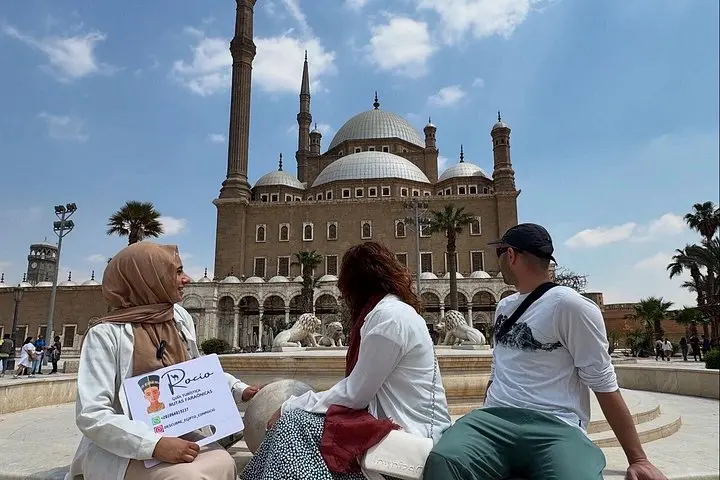
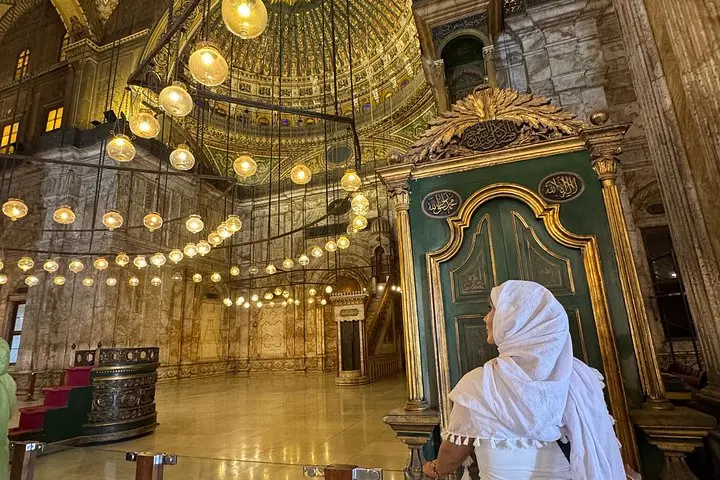
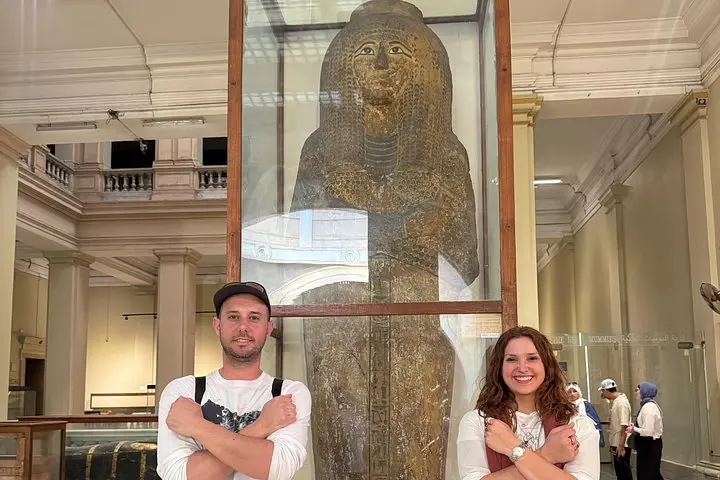
The Citadel, raised by Saladin in the 12th century, sits on a limestone outcrop offering a clear read of Cairo’s layered history: medieval fortifications above Mamluk-era mosques, Ottoman domes puncturing the skyline. The Egyptian Museum in Tahrir hosts one of the world’s largest pharaonic collections, from Tutankhamun’s gold to royal mummies that chart millennia. Coptic Cairo traces Christian Egypt’s roots around Roman ruins; Khan el Khalili preserves trade networks and artisan traditions that date to the medieval Islamic period.
Expect varied terrain—paved streets, stone steps and museum floors—over a full day (6–8 hours). The tour includes private AC transport and lunch of koshari; entrances to major sites are typically covered. Cultural etiquette matters: modest dress for mosque interiors, ask before photographing people, and negotiate prices in the bazaar.
Practical timing: mid-morning for cooler and clearer Citadel views, late afternoon for souk light. Keep water and shade handy; Cairo’s sun can be intense. A local Spanish-speaking guide steers you past lines and toward the most photogenic vantage points, balancing history, architecture and the sensory energy of a city that’s both ancient and alive.
This tour description notes entrance fees are included for the listed sites such as the Citadel and the Egyptian Museum.
The tour lists wheelchair-accessible options, but some historic sites have stairs—confirm accessibility needs when booking to coordinate routes and assistance.
The advertised guide speaks Spanish like a native; ask at booking about other language options if needed.
Yes—lunch is included and typically features koshari, a popular Egyptian dish; inform the operator of dietary restrictions in advance.
Rocío operates guided outdoor trips and adventures with an emphasis on safety, stewardship, and memorable experiences.
You step out of a cool, air-conditioned car into a Cairo morning where the Nile’s low hum fades into the bustle of downtown. The route moves fast—Tahrir’s broad avenues give way to the Citadel’s stone ramparts, then the hush of Coptic lanes, the cool, lamp-lit rooms of the Egyptian Museum and finally the riot of color and scent in Khan el Khalili.
You step out of a cool, air-conditioned car into a Cairo morning where the Nile’s low hum fades into the bustle of downtown. The route moves fast—Tahrir’s broad avenues give way to the Citadel’s stone ramparts, then the hush of Coptic lanes, the cool, lamp-lit rooms of the Egyptian Museum and finally the riot of color and scent in Khan el Khalili.
The Citadel, raised by Saladin in the 12th century, sits on a limestone outcrop offering a clear read of Cairo’s layered history: medieval fortifications above Mamluk-era mosques, Ottoman domes puncturing the skyline. The Egyptian Museum in Tahrir hosts one of the world’s largest pharaonic collections, from Tutankhamun’s gold to royal mummies that chart millennia. Coptic Cairo traces Christian Egypt’s roots around Roman ruins; Khan el Khalili preserves trade networks and artisan traditions that date to the medieval Islamic period.
Expect varied terrain—paved streets, stone steps and museum floors—over a full day (6–8 hours). The tour includes private AC transport and lunch of koshari; entrances to major sites are typically covered. Cultural etiquette matters: modest dress for mosque interiors, ask before photographing people, and negotiate prices in the bazaar.
Practical timing: mid-morning for cooler and clearer Citadel views, late afternoon for souk light. Keep water and shade handy; Cairo’s sun can be intense. A local Spanish-speaking guide steers you past lines and toward the most photogenic vantage points, balancing history, architecture and the sensory energy of a city that’s both ancient and alive.