THE ADVENTURE COLLECTIVE® · Independent discovery and booking for outdoor travel

Ride a camel across the Giza plateau as the three great pyramids rise into morning light. This private tour pairs close-up views, keyed historical context and practical advice for first-time visitors.
Ride a camel across the Giza plateau as the three great pyramids rise into morning light. This private tour pairs close-up views, keyed historical context and practical advice for first-time visitors.
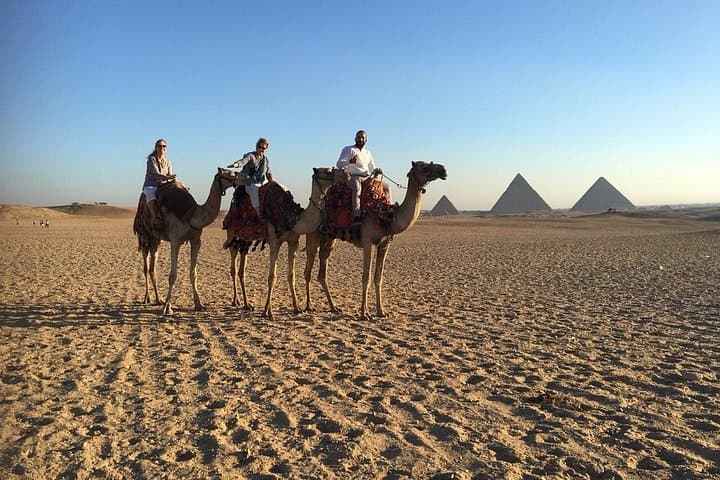
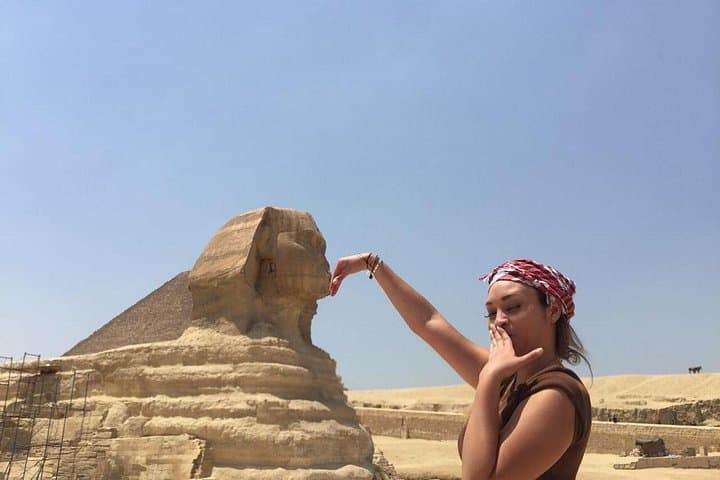
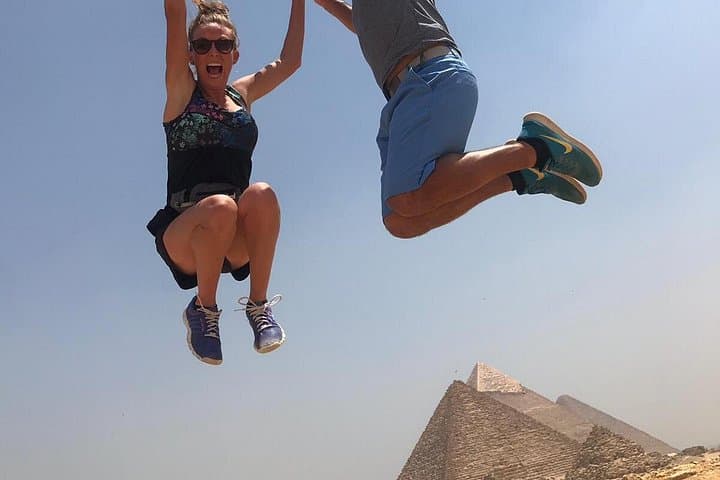
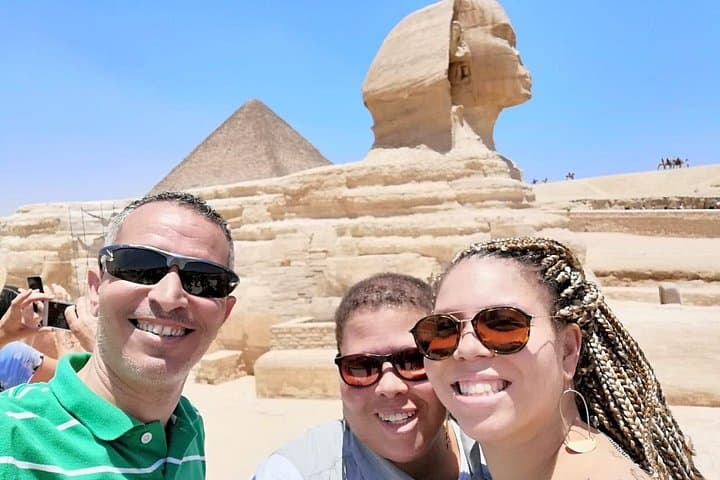
You arrive at first light and the stone faces of Khufu, Khafre and Menkaure grow from the sandy floor like ancient machines waking. A camel pads beside you, steady and warm, and the desert wind seems to push conversation down to a reverent hush. From the camel’s back the scale of the monuments becomes immediate — angles, worn casing stones, the Sphinx watching beyond the dunes.
Verified experiences and guided adventures in the surrounding area.
Operated by Camel Ride at Giza Pyramids · Giza, Giza Governorate
You arrive at first light and the stone faces of Khufu, Khafre and Menkaure grow from the sandy floor like ancient machines waking. A camel pads beside you, steady and warm, and the desert wind seems to push conversation down to a reverent hush. From the camel’s back the scale of the monuments becomes immediate — angles, worn casing stones, the Sphinx watching beyond the dunes.
The Giza plateau is both archaeological archive and living landscape: pharaonic tomb-building that dates to c. 2600–2500 BCE, layered on limestone bedrock sculpted by prehistoric seas. Centuries of local culture — Bedouin camel handlers, Cairo traders, and modern conservators — shape what visitors see today. Expect a mix of paved approaches and packed sand, with viewpoints that reward low-angle light for photography.
Practically, this is a short private tour with hotel pickup, roughly three to four hours on site. The camel ride is typically a relaxed loop around the Great Pyramid and Sphinx area; entry to interior chambers or the solar boat requires extra tickets. Follow your guide’s route to avoid restricted zones, carry sun protection and hydrate often — the exposed plateau offers little shade and the sun commands the day.
Timing matters: early morning light, smaller crowds and cooler temperatures make the experience more comfortable and more vivid. Respect local customs at the site and with handlers; tipping is customary. With straightforward logistics and big-picture history at every step, a camel ride here turns sightseeing into a tactile, moving connection to Egypt’s past.
Yes for most children; handlers provide experienced camels and short, supervised loops — but check saddle comfort and watch small children when mounting.
Interior access (e.g., Great Pyramid or solar boat) often requires separate timed tickets available at the site; your guide can help purchase them if available.
Most private tours allot about 2–3 hours at Giza, including a 15–30 minute camel ride; total door-to-door time is commonly 4 hours with transfers.
There’s no formal dress code, but modest attire is recommended out of respect; avoid beachwear and shoulders exposed in conservative areas.
Camel Ride at Giza Pyramids operates guided outdoor trips and adventures with an emphasis on safety, stewardship, and memorable experiences.
You arrive at first light and the stone faces of Khufu, Khafre and Menkaure grow from the sandy floor like ancient machines waking. A camel pads beside you, steady and warm, and the desert wind seems to push conversation down to a reverent hush. From the camel’s back the scale of the monuments becomes immediate — angles, worn casing stones, the Sphinx watching beyond the dunes.
You arrive at first light and the stone faces of Khufu, Khafre and Menkaure grow from the sandy floor like ancient machines waking. A camel pads beside you, steady and warm, and the desert wind seems to push conversation down to a reverent hush. From the camel’s back the scale of the monuments becomes immediate — angles, worn casing stones, the Sphinx watching beyond the dunes.
The Giza plateau is both archaeological archive and living landscape: pharaonic tomb-building that dates to c. 2600–2500 BCE, layered on limestone bedrock sculpted by prehistoric seas. Centuries of local culture — Bedouin camel handlers, Cairo traders, and modern conservators — shape what visitors see today. Expect a mix of paved approaches and packed sand, with viewpoints that reward low-angle light for photography.
Practically, this is a short private tour with hotel pickup, roughly three to four hours on site. The camel ride is typically a relaxed loop around the Great Pyramid and Sphinx area; entry to interior chambers or the solar boat requires extra tickets. Follow your guide’s route to avoid restricted zones, carry sun protection and hydrate often — the exposed plateau offers little shade and the sun commands the day.
Timing matters: early morning light, smaller crowds and cooler temperatures make the experience more comfortable and more vivid. Respect local customs at the site and with handlers; tipping is customary. With straightforward logistics and big-picture history at every step, a camel ride here turns sightseeing into a tactile, moving connection to Egypt’s past.