THE ADVENTURE COLLECTIVE® · Independent discovery and booking for outdoor travel

Explore lesser-visited Cappadocia on a private day tour that links Soganli’s rock-cut churches, the newly revealed mosaics at Sobesos, Keslik Monastery and a two-hour hike through Red Valley. Expect a mix of archaeological sites, village encounters and varied walking on volcanic terrain.
Explore lesser-visited Cappadocia on a private day tour that links Soganli’s rock-cut churches, the newly revealed mosaics at Sobesos, Keslik Monastery and a two-hour hike through Red Valley. Expect a mix of archaeological sites, village encounters and varied walking on volcanic terrain.
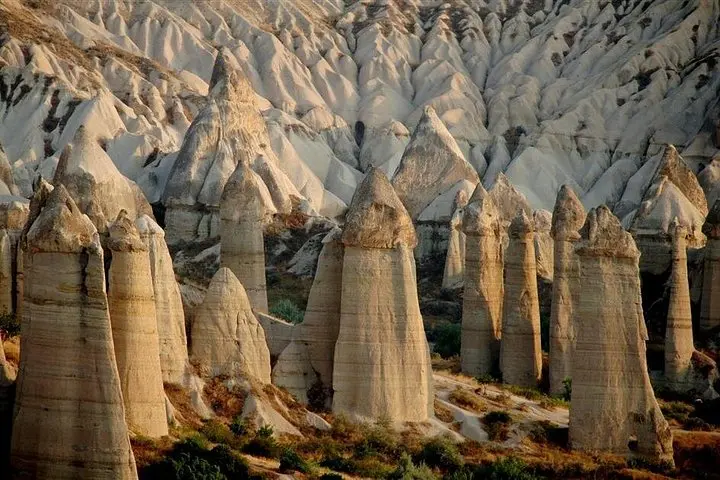
You step into a landscape carved of wind and ash — low ridges of honey-colored tuff ribboning away toward a skyline of cones and carved chimneys. A private Mercedes Sprinter slides south from Ürgüp, passing orchards and village ovens where locals still bake flatbread, and the day opens into hidden churches, a Roman mosaic floor and a two-hour walk through Red Valley's ochre corridors.
Verified experiences and guided adventures in the surrounding area.
Operated by Pupa Travel · Ürgüp, Nevşehir
You step into a landscape carved of wind and ash — low ridges of honey-colored tuff ribboning away toward a skyline of cones and carved chimneys. A private Mercedes Sprinter slides south from Ürgüp, passing orchards and village ovens where locals still bake flatbread, and the day opens into hidden churches, a Roman mosaic floor and a two-hour walk through Red Valley's ochre corridors.
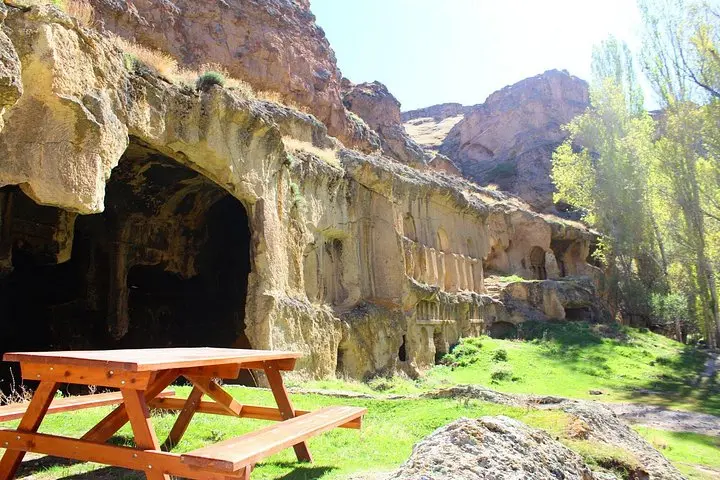
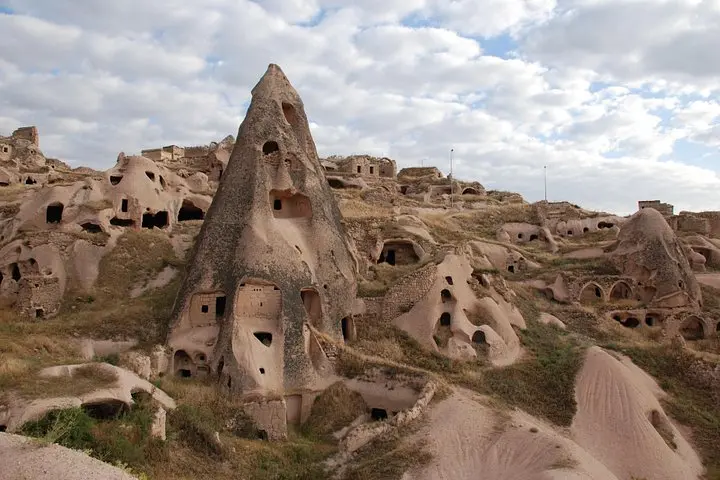
Cappadocia's geology is recent in deep time: thick volcanic ash compacted into tuff, later sculpted by erosion into the fairy chimneys and soft cliffs that people hollowed into monasteries and homes. Soganli preserves monastic rock-cut churches and carved rooms; Sobesos reveals a Roman urban plan and floral mosaics recently exposed; Keslik Monastery offers a compact glimpse of medieval daily life; Sinassos (Mustafapaşa) shows Greek-Ottoman stone houses reoccupied after 1927.
Culturally this is rural Anatolia — small villages, ovens, and surviving craftsmanship. The guide’s role is practical: navigation, context, local introductions and timing so you arrive at sites outside the busiest windows.
Prepare for uneven ground and midday sun. Wear sturdy shoes for the 2-hour Red Valley hike, carry at least 1–1.5 liters of water, and bring layered clothing for variable canyon winds. Aim for an early start to avoid the hottest hours and to catch softer light on the mosaics and valley walls. Respect fragile frescoes and stay on marked trails — these soft volcanic slopes erode quickly when trampled. With a private guide and transport, this Blue Tour balances archaeology, village life and a short, memorable hike.
Yes — entrance fees are listed in the tour inclusions, but your guide will confirm any site-specific payments during booking.
The itinerary notes infant seats available and an easy physical rating; families should still be prepared for walking and uneven surfaces.
The hike is about two hours with undulating terrain and some short climbs — moderate effort but no technical climbing required.
This is a private tour with instant confirmation; operators typically accommodate pickup point requests and special needs asked at booking.
Pupa Travel operates guided outdoor trips and adventures with an emphasis on safety, stewardship, and memorable experiences.
You step into a landscape carved of wind and ash — low ridges of honey-colored tuff ribboning away toward a skyline of cones and carved chimneys. A private Mercedes Sprinter slides south from Ürgüp, passing orchards and village ovens where locals still bake flatbread, and the day opens into hidden churches, a Roman mosaic floor and a two-hour walk through Red Valley's ochre corridors.
You step into a landscape carved of wind and ash — low ridges of honey-colored tuff ribboning away toward a skyline of cones and carved chimneys. A private Mercedes Sprinter slides south from Ürgüp, passing orchards and village ovens where locals still bake flatbread, and the day opens into hidden churches, a Roman mosaic floor and a two-hour walk through Red Valley's ochre corridors.
Cappadocia's geology is recent in deep time: thick volcanic ash compacted into tuff, later sculpted by erosion into the fairy chimneys and soft cliffs that people hollowed into monasteries and homes. Soganli preserves monastic rock-cut churches and carved rooms; Sobesos reveals a Roman urban plan and floral mosaics recently exposed; Keslik Monastery offers a compact glimpse of medieval daily life; Sinassos (Mustafapaşa) shows Greek-Ottoman stone houses reoccupied after 1927.
Culturally this is rural Anatolia — small villages, ovens, and surviving craftsmanship. The guide’s role is practical: navigation, context, local introductions and timing so you arrive at sites outside the busiest windows.
Prepare for uneven ground and midday sun. Wear sturdy shoes for the 2-hour Red Valley hike, carry at least 1–1.5 liters of water, and bring layered clothing for variable canyon winds. Aim for an early start to avoid the hottest hours and to catch softer light on the mosaics and valley walls. Respect fragile frescoes and stay on marked trails — these soft volcanic slopes erode quickly when trampled. With a private guide and transport, this Blue Tour balances archaeology, village life and a short, memorable hike.