THE ADVENTURE COLLECTIVE® · Independent discovery and booking for outdoor travel

Spend a private full day through Cappadocia’s surreal valleys and cave sites with a licensed guide and private car. From Göreme’s panoramas to Kaymaklı’s subterranean passages, this customizable tour balances geology, culture and photography-friendly pacing.
Spend a private full day through Cappadocia’s surreal valleys and cave sites with a licensed guide and private car. From Göreme’s panoramas to Kaymaklı’s subterranean passages, this customizable tour balances geology, culture and photography-friendly pacing.
By first light the valleys are already awake: balloons lift like lanterns from a sleeping map, the wind threading them between the fairy chimneys as if testing every seam. A private guide meets travelers at their hotel in an air-conditioned car and, within minutes, the plateau opens into a landscape that seems designed to make people slow down and look closely.
Verified experiences and guided adventures in the surrounding area.
Operated by Temren Travel · Göreme, Nevşehir
By first light the valleys are already awake: balloons lift like lanterns from a sleeping map, the wind threading them between the fairy chimneys as if testing every seam. A private guide meets travelers at their hotel in an air-conditioned car and, within minutes, the plateau opens into a landscape that seems designed to make people slow down and look closely.
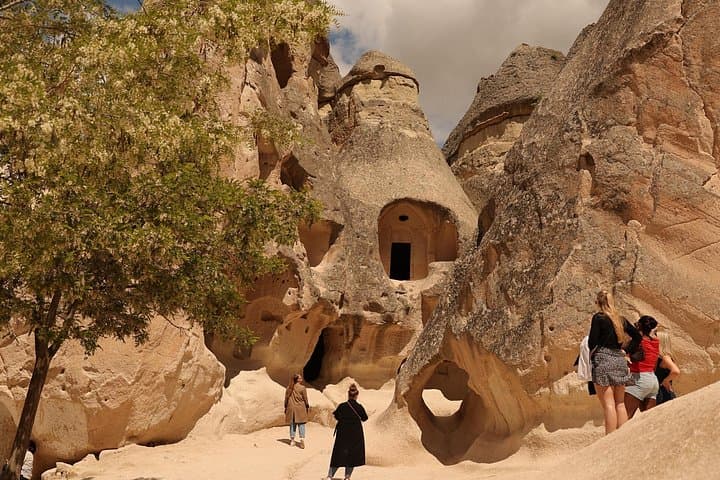
Cappadocia’s forms are geological autobiography. Millennia of volcanic ash compacted into soft tuff, and the region’s harder basalt caps have held columns of stone upright while the wind and winter rains chiseled the softer layers away—what visitors call fairy chimneys. Humans read that rock like a book: Hittite and later Christian communities hollowed homes, chapels and whole underground cities into the tuff. Kaymaklı Underground City, part of the full-day route, is a reminder that geology here doubled as shelter—ventilation shafts, storerooms and narrow corridors dug to protect people for generations.
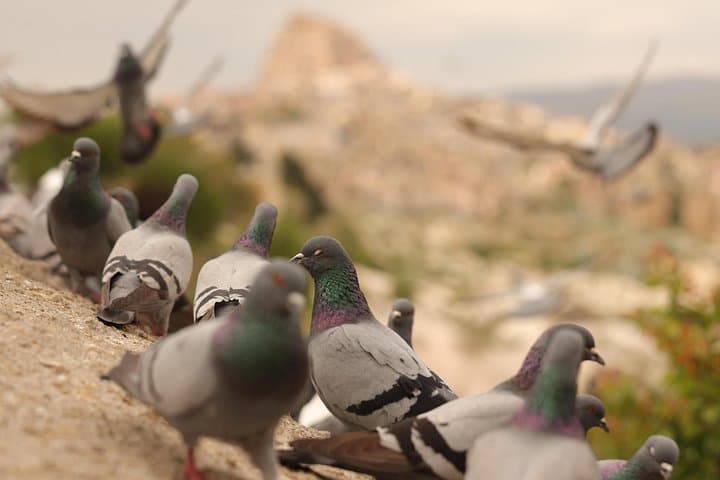
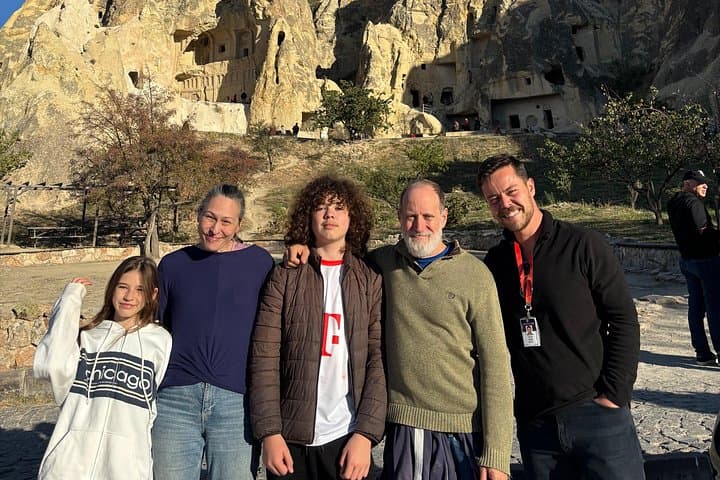
The tour threads cultural stops through those geological frames. Göreme Open-Air Museum lays out Byzantine frescoes in rock-cut churches; Avanos, on the Kızılırmak River, hands you clay shaped by a continuity of craft that stretches back to the Hittites; Uçhisar Castle climbs to the skyline and reads the entire region. Along the way, local guides add context—how dovecotes in Pigeon Valley were once fertilizer sources for vineyards, or how monastic life shaped rock architecture in Paşabağ.
Practically, this is an 8‑hour, low-impact day built for explorers who prefer depth over rush. Expect short walks at most sites—roughly 0.5–2 km on uneven stone paths—and a climb to Uçhisar’s summit that gains around 100–150 m on steps and carved routes. Kaymaklı involves descending narrow tunnels and steep steps; visitors with claustrophobia or significant mobility limits should note those sections in advance. The altitude across the plateau sits near 1,000–1,300 m, so mildly breathless hikers should pace themselves.
What makes a private option worth it is flexibility: the guide can slow the day for photographers at Göreme Panorama, arrange a pottery demo in Avanos, or position you away from the busiest viewpoints at Paşabağ. Bring sturdy shoes, sun protection and a camera with spare batteries; schedule the tour on a clear day for the best visibility and, if balloons are a priority, rise early to watch the launch before the driving schedule begins.
Cappadocia asks for respect as much as curiosity: stick to marked paths, support local artisans, and avoid touching frescoes. Do those things and the tuff will keep revealing its stories—the wind still reading the cliffs, the valleys daring you to look up and imagine how people carved lives out of stone.
This private tour runs about 8 hours and is paced to your interests with short walks (0.5–2 km) at most sites and time to photograph and explore.
Admission fees to museums and underground cities are typically not included—confirm with the operator before departure so you can prepare cash or card.
Yes—hotel pickup across Cappadocia is available and the guide will confirm your pickup point after booking.
Absolutely; private tours are designed to be flexible—ask your guide to prioritize photography spots, pottery workshops, or additional hikes.
Kaymaklı has narrow passages and steep stairs; visitors with limited mobility or severe claustrophobia should discuss alternatives or shorter visits with the guide.
Tipping is customary for good service; guidelines are 10–15% of the tour price split between guide and driver, but it’s discretionary.
Temren Travel operates guided outdoor trips and adventures with an emphasis on safety, stewardship, and memorable experiences.
By first light the valleys are already awake: balloons lift like lanterns from a sleeping map, the wind threading them between the fairy chimneys as if testing every seam. A private guide meets travelers at their hotel in an air-conditioned car and, within minutes, the plateau opens into a landscape that seems designed to make people slow down and look closely.
By first light the valleys are already awake: balloons lift like lanterns from a sleeping map, the wind threading them between the fairy chimneys as if testing every seam. A private guide meets travelers at their hotel in an air-conditioned car and, within minutes, the plateau opens into a landscape that seems designed to make people slow down and look closely.
Cappadocia’s forms are geological autobiography. Millennia of volcanic ash compacted into soft tuff, and the region’s harder basalt caps have held columns of stone upright while the wind and winter rains chiseled the softer layers away—what visitors call fairy chimneys. Humans read that rock like a book: Hittite and later Christian communities hollowed homes, chapels and whole underground cities into the tuff. Kaymaklı Underground City, part of the full-day route, is a reminder that geology here doubled as shelter—ventilation shafts, storerooms and narrow corridors dug to protect people for generations.
The tour threads cultural stops through those geological frames. Göreme Open-Air Museum lays out Byzantine frescoes in rock-cut churches; Avanos, on the Kızılırmak River, hands you clay shaped by a continuity of craft that stretches back to the Hittites; Uçhisar Castle climbs to the skyline and reads the entire region. Along the way, local guides add context—how dovecotes in Pigeon Valley were once fertilizer sources for vineyards, or how monastic life shaped rock architecture in Paşabağ.
Practically, this is an 8‑hour, low-impact day built for explorers who prefer depth over rush. Expect short walks at most sites—roughly 0.5–2 km on uneven stone paths—and a climb to Uçhisar’s summit that gains around 100–150 m on steps and carved routes. Kaymaklı involves descending narrow tunnels and steep steps; visitors with claustrophobia or significant mobility limits should note those sections in advance. The altitude across the plateau sits near 1,000–1,300 m, so mildly breathless hikers should pace themselves.
What makes a private option worth it is flexibility: the guide can slow the day for photographers at Göreme Panorama, arrange a pottery demo in Avanos, or position you away from the busiest viewpoints at Paşabağ. Bring sturdy shoes, sun protection and a camera with spare batteries; schedule the tour on a clear day for the best visibility and, if balloons are a priority, rise early to watch the launch before the driving schedule begins.
Cappadocia asks for respect as much as curiosity: stick to marked paths, support local artisans, and avoid touching frescoes. Do those things and the tuff will keep revealing its stories—the wind still reading the cliffs, the valleys daring you to look up and imagine how people carved lives out of stone.