THE ADVENTURE COLLECTIVE® · Independent discovery and booking for outdoor travel

Move through Cappadocia’s surreal ridgelines, cave churches and a subterranean settlement on a private full-day tour. Expect sculpted tuff, intimate pottery workshops, dramatic viewpoints and an underground city that reveals how communities hid, stored and lived beneath the rocks.
Move through Cappadocia’s surreal ridgelines, cave churches and a subterranean settlement on a private full-day tour. Expect sculpted tuff, intimate pottery workshops, dramatic viewpoints and an underground city that reveals how communities hid, stored and lived beneath the rocks.
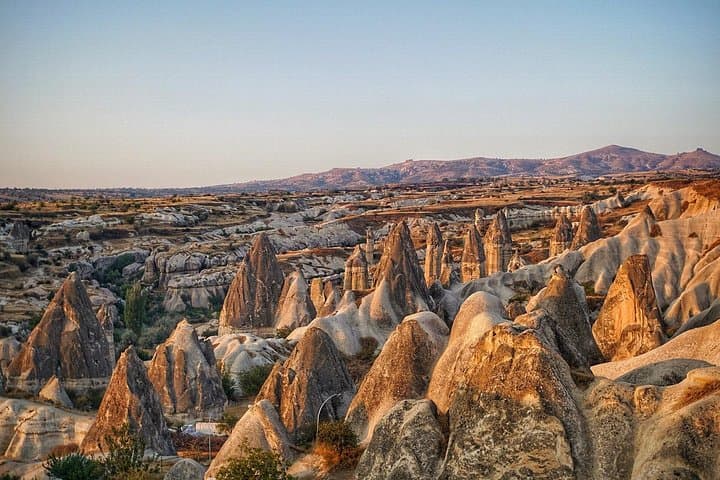
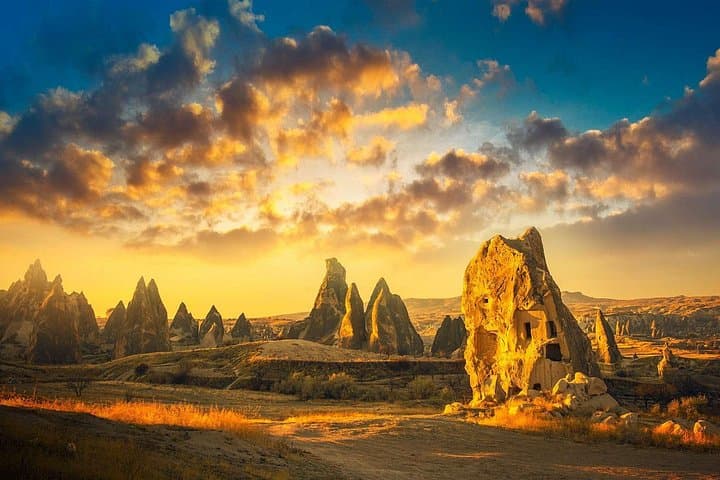
You step out before the town has fully woken and the air is cool with mineral dust. The van hums away from your hotel and the first shapes on the horizon are not trees or towers but tall, fluted columns of stone—fairy chimneys reaching like sculptures from another planet. Over the day you move from panoramic ridgelines into carved churches, through mushroom-capped valleys and finally beneath the surface into an underground city, where rooms and tunnels hum with centuries of human improvisation.
Verified experiences and guided adventures in the surrounding area.
Operated by Adam's Holiday · Göreme, Nevşehir Province
You step out before the town has fully woken and the air is cool with mineral dust. The van hums away from your hotel and the first shapes on the horizon are not trees or towers but tall, fluted columns of stone—fairy chimneys reaching like sculptures from another planet. Over the day you move from panoramic ridgelines into carved churches, through mushroom-capped valleys and finally beneath the surface into an underground city, where rooms and tunnels hum with centuries of human improvisation.
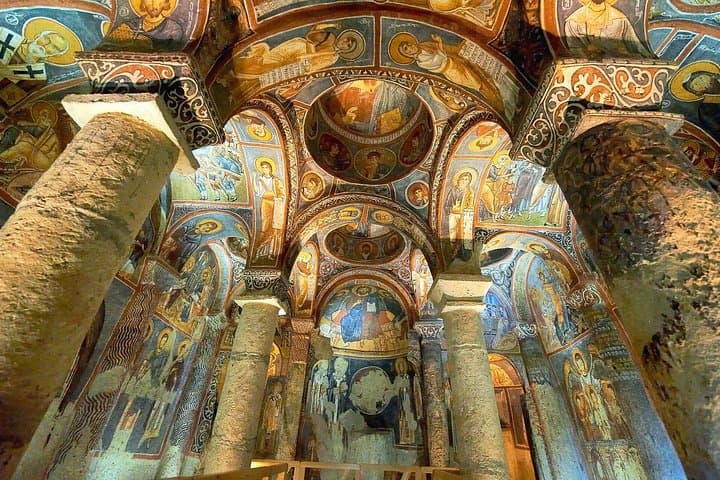
Cappadocia’s landscape is the product of fire and wind. Millennia of volcanic ash solidified into tuff; later, rain and wind carved the soft rock into cones, pillars and caves. Humans arrived with a different set of tools: chisels and patience. Byzantine Christians hollowed churches from the rock and painted frescoes that survive in dim light. Later, communities dug entire subterranean towns—their narrow passages designed for defense and storage rather than comfort.
The cultural palette here is layered: Hittite, Persian, Roman and Byzantine traces appear in place names and architecture. Modern villages like Uçhisar and Göreme add another color—cave hotels converted from old dwellings, family-run pottery studios that still turn vessels on kick wheels, and friendly guides who narrate both legend and geology without gloss.
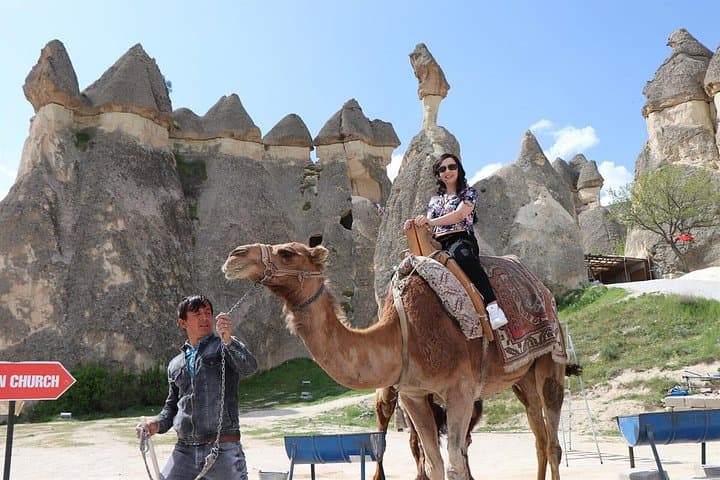
A well-paced private tour typically spends time at the Göreme Open-Air Museum to see rock-cut churches, wanders Paşabağ’s clustered chimneys, and takes in Love and Devrent valleys where forms invite the imagination. The underground city visit is the day’s tactile counterpoint: narrow staircases, ventilation shafts and stone rooms that once sheltered entire communities.
Practical note: the itinerary runs about 7–8 hours—plan for steady walking on uneven ground and short climbs. Wear sturdy shoes; many viewpoints mean standing and stepping over loose stones. Bring a refillable water bottle and sun protection; shade is limited in valleys and on ridgelines. If you want to try pottery, set aside cash and 30–60 minutes—the hands-on sessions are small and often family-operated.
Timing matters. Early mornings deliver softer light and fewer people at overlooks; late afternoon cools the rocks and deepens shadows for photographs. If you’re booking a private tour, communicate mobility limits ahead of time—guides can adjust stops and routes.
The region balances tourism with fragile geology and local life. Stay on marked paths, support local artisans by buying authentic ceramics, and consider quieter off-peak hours for popular viewpoints. Walk into a cave church, run your fingers over centuries-old chisel marks, and you’ll sense that this landscape has always invited adaptation—by wind, by water, and by people determined to make shelter out of stone.
The tour is approximately 7–8 hours (450 minutes), including multiple stops and an underground city visit.
Some site admissions are included in the itinerary, but check with your operator—certain attractions may charge separate fees.
Yes—private pickup from hotels in the Göreme/Ürgüp/Nevşehir area is provided; confirm pick-up time the day before.
Sections include low ceilings and stairs; visitors with claustrophobia or mobility issues should notify the guide so alternatives can be offered.
No—balloon flights are separate experiences booked independently and take place at dawn.
Yes—most private tours include time at a family-run pottery studio where you can watch or try a wheel session and purchase authentic pieces.
Adam's Holiday operates guided outdoor trips and adventures with an emphasis on safety, stewardship, and memorable experiences.
You step out before the town has fully woken and the air is cool with mineral dust. The van hums away from your hotel and the first shapes on the horizon are not trees or towers but tall, fluted columns of stone—fairy chimneys reaching like sculptures from another planet. Over the day you move from panoramic ridgelines into carved churches, through mushroom-capped valleys and finally beneath the surface into an underground city, where rooms and tunnels hum with centuries of human improvisation.
You step out before the town has fully woken and the air is cool with mineral dust. The van hums away from your hotel and the first shapes on the horizon are not trees or towers but tall, fluted columns of stone—fairy chimneys reaching like sculptures from another planet. Over the day you move from panoramic ridgelines into carved churches, through mushroom-capped valleys and finally beneath the surface into an underground city, where rooms and tunnels hum with centuries of human improvisation.
Cappadocia’s landscape is the product of fire and wind. Millennia of volcanic ash solidified into tuff; later, rain and wind carved the soft rock into cones, pillars and caves. Humans arrived with a different set of tools: chisels and patience. Byzantine Christians hollowed churches from the rock and painted frescoes that survive in dim light. Later, communities dug entire subterranean towns—their narrow passages designed for defense and storage rather than comfort.
The cultural palette here is layered: Hittite, Persian, Roman and Byzantine traces appear in place names and architecture. Modern villages like Uçhisar and Göreme add another color—cave hotels converted from old dwellings, family-run pottery studios that still turn vessels on kick wheels, and friendly guides who narrate both legend and geology without gloss.
A well-paced private tour typically spends time at the Göreme Open-Air Museum to see rock-cut churches, wanders Paşabağ’s clustered chimneys, and takes in Love and Devrent valleys where forms invite the imagination. The underground city visit is the day’s tactile counterpoint: narrow staircases, ventilation shafts and stone rooms that once sheltered entire communities.
Practical note: the itinerary runs about 7–8 hours—plan for steady walking on uneven ground and short climbs. Wear sturdy shoes; many viewpoints mean standing and stepping over loose stones. Bring a refillable water bottle and sun protection; shade is limited in valleys and on ridgelines. If you want to try pottery, set aside cash and 30–60 minutes—the hands-on sessions are small and often family-operated.
Timing matters. Early mornings deliver softer light and fewer people at overlooks; late afternoon cools the rocks and deepens shadows for photographs. If you’re booking a private tour, communicate mobility limits ahead of time—guides can adjust stops and routes.
The region balances tourism with fragile geology and local life. Stay on marked paths, support local artisans by buying authentic ceramics, and consider quieter off-peak hours for popular viewpoints. Walk into a cave church, run your fingers over centuries-old chisel marks, and you’ll sense that this landscape has always invited adaptation—by wind, by water, and by people determined to make shelter out of stone.