THE ADVENTURE COLLECTIVE® · Independent discovery and booking for outdoor travel

Make the nine-hour sweep from Casablanca to Fes in a single, guided day: explore the medina’s alleys, madrasas, and tanneries with an official local guide. This private trip pairs historical insight with practical logistics for a full-day cultural immersion.
Make the nine-hour sweep from Casablanca to Fes in a single, guided day: explore the medina’s alleys, madrasas, and tanneries with an official local guide. This private trip pairs historical insight with practical logistics for a full-day cultural immersion.
You leave Casablanca before dawn, the city’s silhouette shrinking behind you as the highway opens onto scrubby plains and low hills. By mid-morning the road pushes you toward Fes—its rooflines and minarets rising from the basin like a hand of history reaching skyward. The medina’s alleys greet you not as static relics but as living corridors that tug at your pace and senses.
Verified experiences and guided adventures in the surrounding area.
Operated by Casablanca Prestige Tours · Fes, Fès-Meknès
You leave Casablanca before dawn, the city’s silhouette shrinking behind you as the highway opens onto scrubby plains and low hills. By mid-morning the road pushes you toward Fes—its rooflines and minarets rising from the basin like a hand of history reaching skyward. The medina’s alleys greet you not as static relics but as living corridors that tug at your pace and senses.
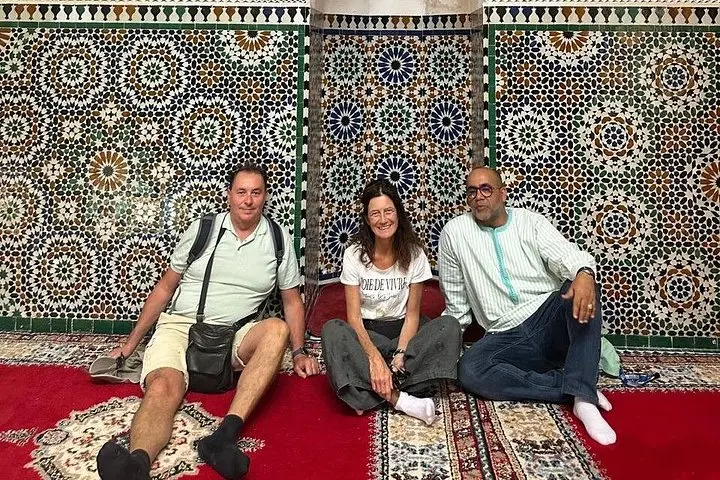
Fes began taking shape in the 9th century and quickly became a center of learning and craft. The medina of Fes el-Bali is one of the largest car-free urban areas in the world and a UNESCO-listed place where zellij tiles, carved cedar, and plasterwork still shape daily life. Geologically the city sits on the Saïs plain below the Middle Atlas, which supplied timber and trade routes that helped Fes flourish.
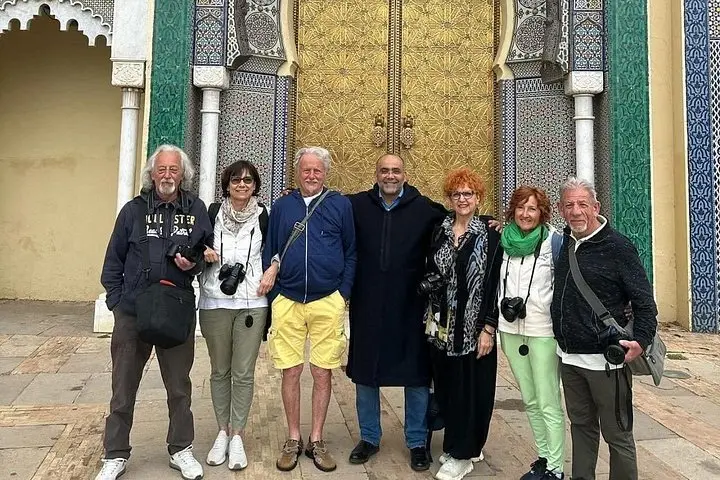
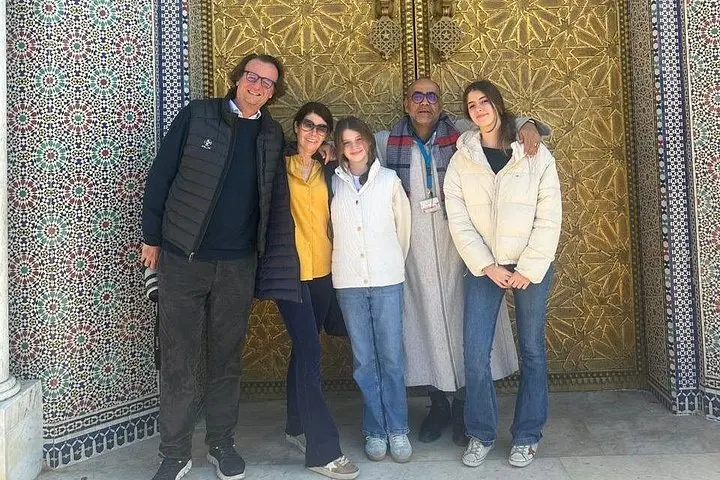
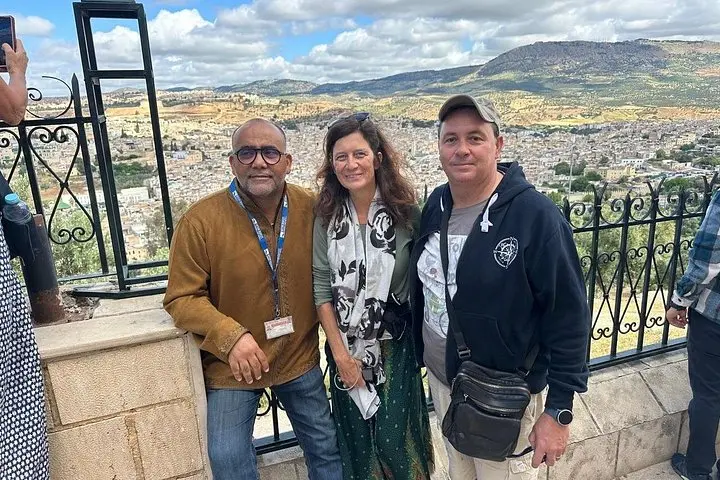
Your licensed local guide maps a route through the Royal Palace gates, the Mellah, and the Blue Gate, pauses for a panorama over the maze, then leads into madrasas and terraces above the leather vats where centuries-old dyeing techniques still run. Expect stories about scholarship at Al Quaraouiyine, the artisanal economy, and the cultural blending that formed modern Morocco.
Practical side: it’s a long day—9–10 hours with several hours on foot in uneven alleys. Bring cash for small purchases and modest clothing for religious sites. Wear sturdy shoes, carry water, and plan for an early start to avoid afternoon heat. Entrance fees for some sites are paid locally, so keep small denominations handy. With an experienced guide, the day becomes a compact, manageable immersion into one of the medieval world’s most complete cities.
Yes—private air-conditioned transport and hotel pickup/drop-off in Casablanca city center are included.
Some stops include admission but others require local payment; Bou Inania and certain artisan visits may be paid at the site as noted by the operator.
Expect several hours on foot within the medina, including stairs and uneven alleys; total walking distance varies by group and stops.
The tour is physically easy overall but the medina’s narrow alleys and steps can be difficult for wheelchairs or limited mobility—contact the operator about alternatives.
Casablanca Prestige Tours operates guided outdoor trips and adventures with an emphasis on safety, stewardship, and memorable experiences.
You leave Casablanca before dawn, the city’s silhouette shrinking behind you as the highway opens onto scrubby plains and low hills. By mid-morning the road pushes you toward Fes—its rooflines and minarets rising from the basin like a hand of history reaching skyward. The medina’s alleys greet you not as static relics but as living corridors that tug at your pace and senses.
You leave Casablanca before dawn, the city’s silhouette shrinking behind you as the highway opens onto scrubby plains and low hills. By mid-morning the road pushes you toward Fes—its rooflines and minarets rising from the basin like a hand of history reaching skyward. The medina’s alleys greet you not as static relics but as living corridors that tug at your pace and senses.
Fes began taking shape in the 9th century and quickly became a center of learning and craft. The medina of Fes el-Bali is one of the largest car-free urban areas in the world and a UNESCO-listed place where zellij tiles, carved cedar, and plasterwork still shape daily life. Geologically the city sits on the Saïs plain below the Middle Atlas, which supplied timber and trade routes that helped Fes flourish.
Your licensed local guide maps a route through the Royal Palace gates, the Mellah, and the Blue Gate, pauses for a panorama over the maze, then leads into madrasas and terraces above the leather vats where centuries-old dyeing techniques still run. Expect stories about scholarship at Al Quaraouiyine, the artisanal economy, and the cultural blending that formed modern Morocco.
Practical side: it’s a long day—9–10 hours with several hours on foot in uneven alleys. Bring cash for small purchases and modest clothing for religious sites. Wear sturdy shoes, carry water, and plan for an early start to avoid afternoon heat. Entrance fees for some sites are paid locally, so keep small denominations handy. With an experienced guide, the day becomes a compact, manageable immersion into one of the medieval world’s most complete cities.