THE ADVENTURE COLLECTIVE® · Independent discovery and booking for outdoor travel

Leave Dublin for a day and let a chauffeur guide you through the high valleys and formal gardens of County Wicklow. Visit Powerscourt Gardens, Glendalough’s monastic ruins, Lough Tay’s dramatic viewpoint, and a riverside waterfall—all with short walks and plenty of photo stops.
Leave Dublin for a day and let a chauffeur guide you through the high valleys and formal gardens of County Wicklow. Visit Powerscourt Gardens, Glendalough’s monastic ruins, Lough Tay’s dramatic viewpoint, and a riverside waterfall—all with short walks and plenty of photo stops.
A Mercedes curls away from O'Connell Street and the city’s flat grey gives way to rolling green within half an hour; hedgerows and stone walls begin to pace the road like a steady chorus. On this full-day chauffeur-driven loop through County Wicklow, passengers trade Dublin traffic for mountain air, short forest walks, and cinematic lake views.
Verified experiences and guided adventures in the surrounding area.
Operated by John Walsh · Dublin, County Dublin
A Mercedes curls away from O'Connell Street and the city’s flat grey gives way to rolling green within half an hour; hedgerows and stone walls begin to pace the road like a steady chorus. On this full-day chauffeur-driven loop through County Wicklow, passengers trade Dublin traffic for mountain air, short forest walks, and cinematic lake views.
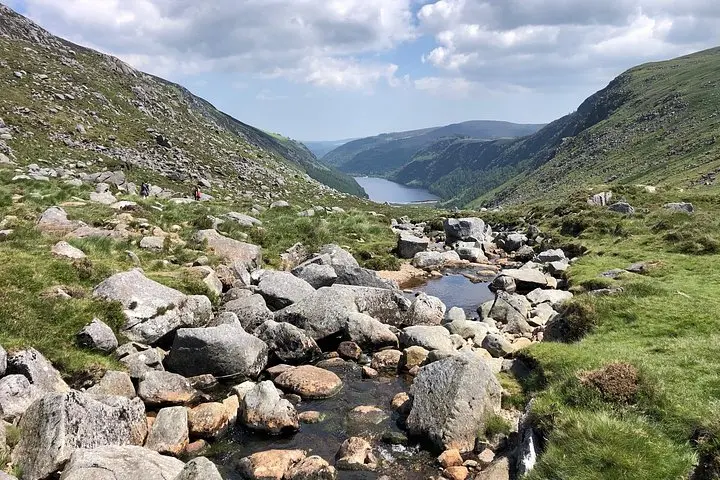
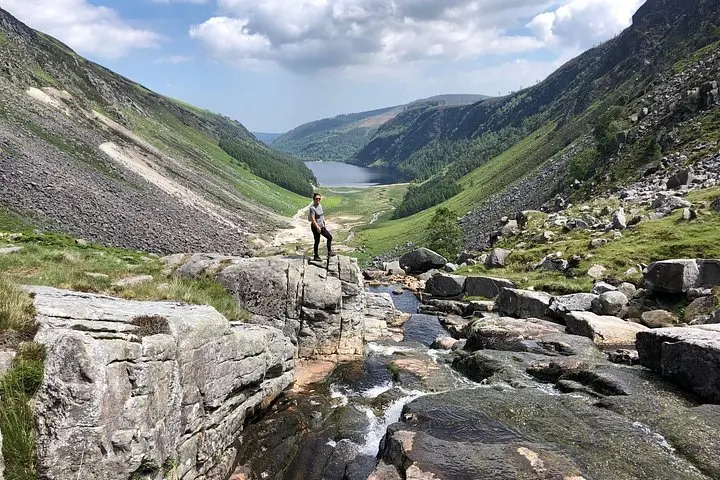
The route threads together distinct chapters of Irish landscape and history. Granite and schist of the Wicklow Mountains bear scars of Pleistocene glaciers—U-shaped valleys, steep corries and ribbon lakes—while Lough Tay’s dark surface hangs below heathery slopes that once echoed with shepherds. Glendalough’s 6th–7th century monastic settlement speaks to early Christian Ireland, its round tower and ruined cathedral rooted beside reflective lakes. Powerscourt Estate introduces a different tempo: formal terraces, statues, and ornamental water features created on an 18th-century country-house scale, with nearby waterfalls cascading over ancient rock (Powerscourt Waterfall is roughly 121 m tall and ranks among Ireland’s tallest).
Culturally the area balances rural villages—Laragh’s local cafés and the Heather Restaurant—against film-famous landscapes used in productions such as Vikings. Expect short, accessible walks at each stop rather than long hikes; driving links the main sights with 30–60 minute transfers between points. Guides typically allow time for photos, brief strolls, and a pub or café lunch.
Practicalities: dress in waterproof layers and sturdy shoes, carry a small daypack and camera, and plan for changing light—morning and late afternoon deliver the best low-angle views. The tour is physically easy but offers rewarding contact with Wicklow’s geology, history, and coast on a compact, well-paced day out.
No—admissions such as Powerscourt Gardens and some monuments are typically not included; the guide will advise on on-site payment options.
The tour departs from O'Connell Street in central Dublin and returns to the same general area at day’s end.
Expect several short walks of 10–40 minutes at viewpoints and attractions; there are no long hikes required.
Yes—infant seats are available and the tour is rated physically easy, but always inform the operator of ages and needs when booking.
John Walsh operates guided outdoor trips and adventures with an emphasis on safety, stewardship, and memorable experiences.
A Mercedes curls away from O'Connell Street and the city’s flat grey gives way to rolling green within half an hour; hedgerows and stone walls begin to pace the road like a steady chorus. On this full-day chauffeur-driven loop through County Wicklow, passengers trade Dublin traffic for mountain air, short forest walks, and cinematic lake views.
A Mercedes curls away from O'Connell Street and the city’s flat grey gives way to rolling green within half an hour; hedgerows and stone walls begin to pace the road like a steady chorus. On this full-day chauffeur-driven loop through County Wicklow, passengers trade Dublin traffic for mountain air, short forest walks, and cinematic lake views.
The route threads together distinct chapters of Irish landscape and history. Granite and schist of the Wicklow Mountains bear scars of Pleistocene glaciers—U-shaped valleys, steep corries and ribbon lakes—while Lough Tay’s dark surface hangs below heathery slopes that once echoed with shepherds. Glendalough’s 6th–7th century monastic settlement speaks to early Christian Ireland, its round tower and ruined cathedral rooted beside reflective lakes. Powerscourt Estate introduces a different tempo: formal terraces, statues, and ornamental water features created on an 18th-century country-house scale, with nearby waterfalls cascading over ancient rock (Powerscourt Waterfall is roughly 121 m tall and ranks among Ireland’s tallest).
Culturally the area balances rural villages—Laragh’s local cafés and the Heather Restaurant—against film-famous landscapes used in productions such as Vikings. Expect short, accessible walks at each stop rather than long hikes; driving links the main sights with 30–60 minute transfers between points. Guides typically allow time for photos, brief strolls, and a pub or café lunch.
Practicalities: dress in waterproof layers and sturdy shoes, carry a small daypack and camera, and plan for changing light—morning and late afternoon deliver the best low-angle views. The tour is physically easy but offers rewarding contact with Wicklow’s geology, history, and coast on a compact, well-paced day out.