THE ADVENTURE COLLECTIVE® · Independent discovery and booking for outdoor travel

Explore Chelsea’s contemporary galleries with a professional art historian who curates 8–10 must-see shows on a private 2–2.5 hour walking tour. Learn how the neighborhood’s industrial past became Manhattan’s boldest gallery district while getting context on artists and the market.
Explore Chelsea’s contemporary galleries with a professional art historian who curates 8–10 must-see shows on a private 2–2.5 hour walking tour. Learn how the neighborhood’s industrial past became Manhattan’s boldest gallery district while getting context on artists and the market.
You meet outside the Kasmin gallery on W. 27th Street: the city hums, delivery trucks idle, and a row of glass-fronted spaces opens like chapters in a book. Your guide, an art historian, leads the group down one of Manhattan’s most concentrated corridors of contemporary art — windows shifting from minimalist white cubes to rooms thick with color and installation.
Verified experiences and guided adventures in the surrounding area.
Operated by Art Trip · New York, New York
You meet outside the Kasmin gallery on W. 27th Street: the city hums, delivery trucks idle, and a row of glass-fronted spaces opens like chapters in a book. Your guide, an art historian, leads the group down one of Manhattan’s most concentrated corridors of contemporary art — windows shifting from minimalist white cubes to rooms thick with color and installation.
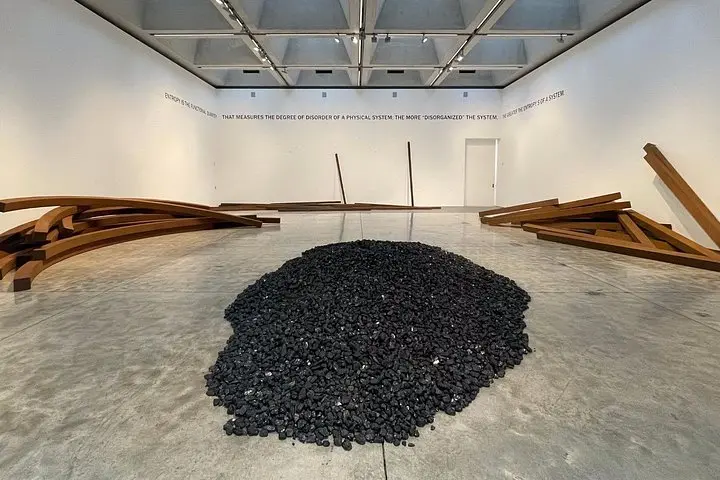
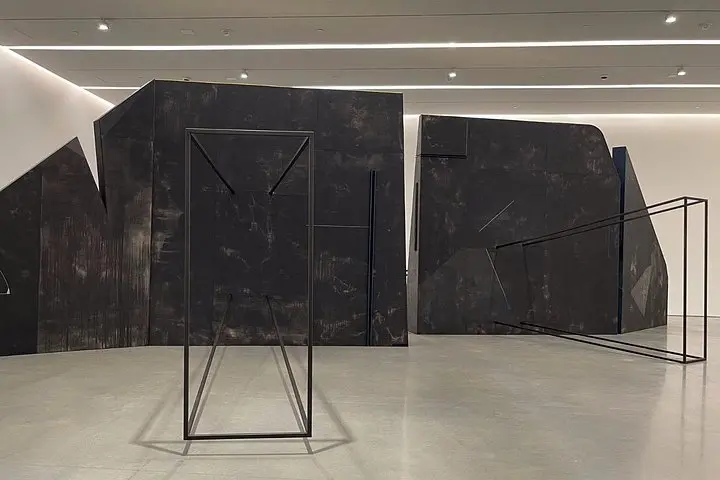
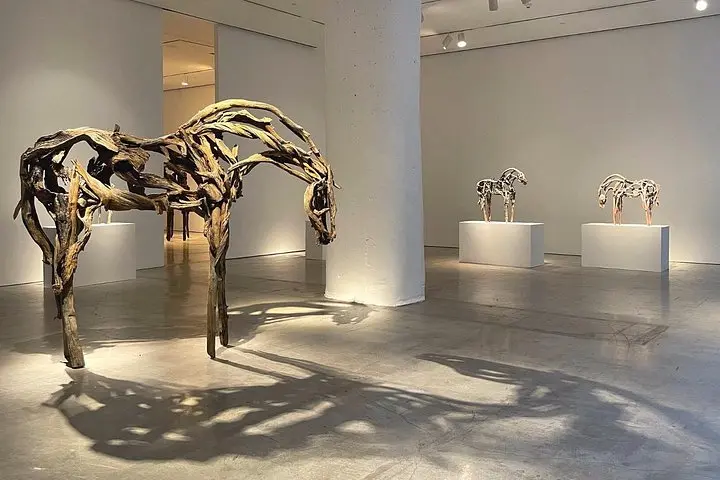
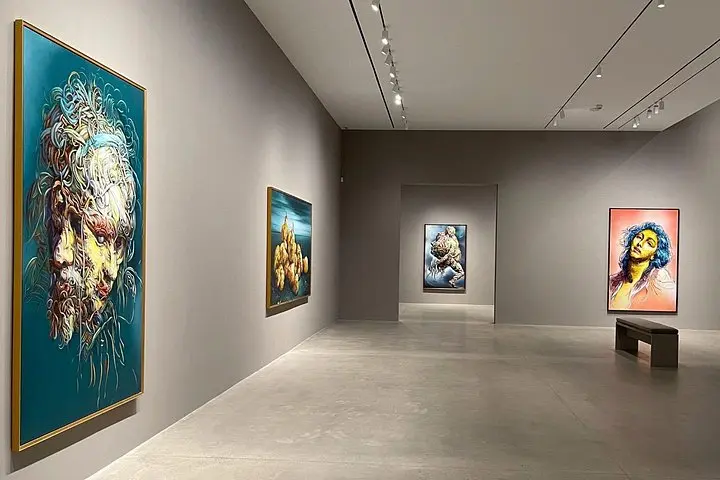
Chelsea began as a 19th-century industrial district built on Manhattan’s bedrock of schist; in the 1990s former warehouses and factories converted to galleries and studios, transforming loading docks into exhibition spaces. Today the neighborhood hosts blue‑chip names and ambitious emergent spaces, where shows rotate every five to six weeks and conversation often outpaces the paint. Expect visits to roughly eight to ten exhibitions — galleries such as Gagosian, David Zwirner, Hauser & Wirth, and smaller risk-taking spaces — with context on artists, movements, and the market forces that shape the scene.
The walk is flat and urban: roughly 1–1.5 miles of paved sidewalks with occasional cobblestone alleys. Tours are private and customizable; guides answer questions on technique, provenance, and how to read a gallery installation. Practical notes: many galleries restrict flash photography and expect respectful distance from artworks; most stops are wheelchair accessible but check ahead for specific installations. Public transit serves the area; wear comfortable shoes, bring a charged phone for photos, and leave time afterward to explore nearby cafés and auction-house energy.
This is a concentrated, conversational experience that blends art history, contemporary critique, and the practicalities of navigating Chelsea’s fast-changing gallery circuit.
Typical private tours visit around 8–10 shows selected for current exhibitions and your interests.
Most galleries and sidewalks are accessible; confirm ahead for specific installations that may have steps.
Yes — the private tour is customizable; provide preferences during booking and the guide will tailor the route.
Full refund is typically available if cancelled at least 24 hours before the scheduled start; check your booking terms for details.
Art Trip operates guided outdoor trips and adventures with an emphasis on safety, stewardship, and memorable experiences.
You meet outside the Kasmin gallery on W. 27th Street: the city hums, delivery trucks idle, and a row of glass-fronted spaces opens like chapters in a book. Your guide, an art historian, leads the group down one of Manhattan’s most concentrated corridors of contemporary art — windows shifting from minimalist white cubes to rooms thick with color and installation.
You meet outside the Kasmin gallery on W. 27th Street: the city hums, delivery trucks idle, and a row of glass-fronted spaces opens like chapters in a book. Your guide, an art historian, leads the group down one of Manhattan’s most concentrated corridors of contemporary art — windows shifting from minimalist white cubes to rooms thick with color and installation.
Chelsea began as a 19th-century industrial district built on Manhattan’s bedrock of schist; in the 1990s former warehouses and factories converted to galleries and studios, transforming loading docks into exhibition spaces. Today the neighborhood hosts blue‑chip names and ambitious emergent spaces, where shows rotate every five to six weeks and conversation often outpaces the paint. Expect visits to roughly eight to ten exhibitions — galleries such as Gagosian, David Zwirner, Hauser & Wirth, and smaller risk-taking spaces — with context on artists, movements, and the market forces that shape the scene.
The walk is flat and urban: roughly 1–1.5 miles of paved sidewalks with occasional cobblestone alleys. Tours are private and customizable; guides answer questions on technique, provenance, and how to read a gallery installation. Practical notes: many galleries restrict flash photography and expect respectful distance from artworks; most stops are wheelchair accessible but check ahead for specific installations. Public transit serves the area; wear comfortable shoes, bring a charged phone for photos, and leave time afterward to explore nearby cafés and auction-house energy.
This is a concentrated, conversational experience that blends art history, contemporary critique, and the practicalities of navigating Chelsea’s fast-changing gallery circuit.