THE ADVENTURE COLLECTIVE® · Independent discovery and booking for outdoor travel

Float in warm turquoise pools fed by volcanic rock and slip beneath a small cascade on a private trip from Moshi. This accessible half-day tour blends a brief walk, swimming, and a peek into Maasai country for a restorative stop after Kilimanjaro or safari.
Float in warm turquoise pools fed by volcanic rock and slip beneath a small cascade on a private trip from Moshi. This accessible half-day tour blends a brief walk, swimming, and a peek into Maasai country for a restorative stop after Kilimanjaro or safari.
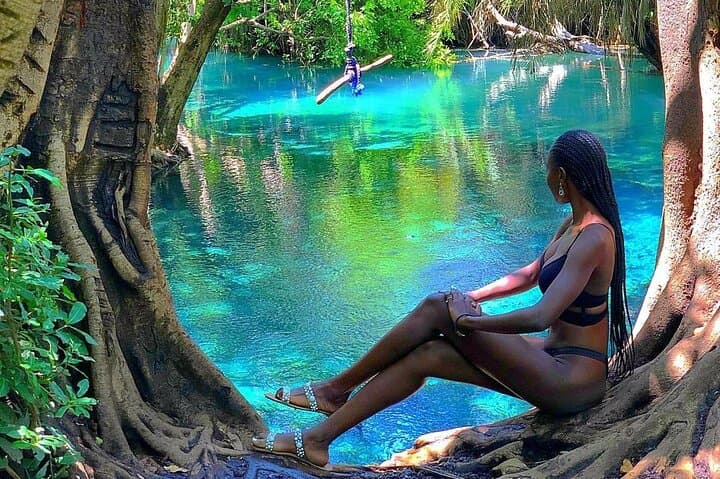
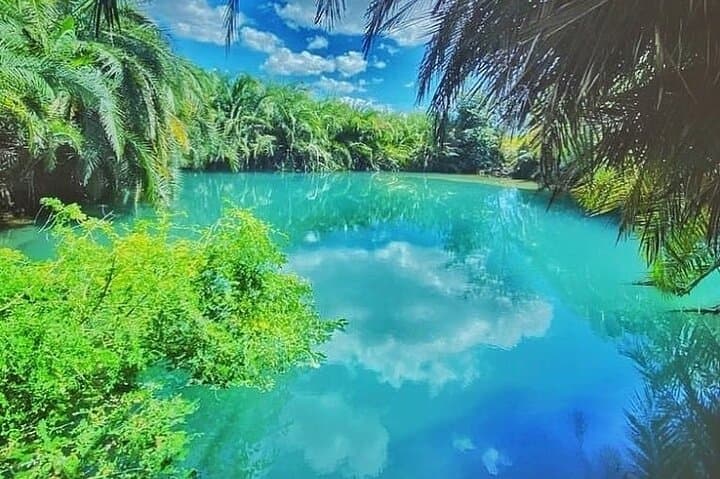
The first sight of Chemka is abrupt: a cut in the savannah where water appears like an impossible jewel. Stand at the low footbridge and the pool below looks liquid turquoise, a calm bowl warmed by the earth. Birds thread the fig branches overhead, and in the water small eddies curl as if testing the air. Guides call this place Kikuletwa, but most travelers know it simply as Chemka Hot Springs — an easy, restorative stop after the rigors of Kilimanjaro or a long safari.
Verified experiences and guided adventures in the surrounding area.
Operated by Hillborn Organic Coffee · Moshi, Kilimanjaro Region
The first sight of Chemka is abrupt: a cut in the savannah where water appears like an impossible jewel. Stand at the low footbridge and the pool below looks liquid turquoise, a calm bowl warmed by the earth. Birds thread the fig branches overhead, and in the water small eddies curl as if testing the air. Guides call this place Kikuletwa, but most travelers know it simply as Chemka Hot Springs — an easy, restorative stop after the rigors of Kilimanjaro or a long safari.
Geology does the heavy lifting here. Rainwater percolates through volcanic debris from the nearby Rift and reemerges after being warmed by geothermal gradients and confined channels of limestone and basalt. The result is unusually clear, warm water that spills into a narrow river and over a modest cascade, carving a small waterfall where swimmers gather. The site sits within the larger Kilimanjaro region, a mosaic of Maasai grazing lands and agricultural plots. On the drive from Moshi, the landscape opens from roadside villages into acacia-studded plains where herds and bright shukas punctuate the horizon.
Cultural notes are part of the visit. Local guides often weave stories about the springs having healing properties, and your entrance fee helps support community projects. You may pass Maasai bomas en route; a respectful hello and a camera query will usually be welcomed. The springs themselves are managed simply: picnic benches, shaded pools, and a rope swing for the adventurous.
Practical guide: the tour is short and adaptable. Expect 1–6 hours on the road depending on add-ons and how long you float. The walk from the parking area to the main pools is brief, under 500 meters on flat, sometimes sandy trail. Water temperature ranges from pleasantly warm to hot depending on flow and season; depth varies from ankle to chest-deep in swimming areas, with a deeper plunge by the falls.
Planning tips: arrive in the morning for softer light and calmer water; afternoons can be busy and hotter. Bring a dry bag for phones, water shoes for the rocky bottom, and biodegradable sunscreen. If you want the rope swing, test the depth slowly — rocks sit near the edges. Be mindful of the ecology: avoid soaps and detergents, take all trash with you, and follow local staff instructions.
This is a low-effort, high-reward stop that mixes a short nature walk with cooling swims and cultural passage through Kilimanjaro country. It rewards minimal planning and a willingness to trade bustle for warm water and wide African sky.
Driving time is typically 45–75 minutes from Moshi depending on traffic and your exact pickup location; the tour operator will confirm pickup time.
Yes, the pools are usually calm; however users should be cautious of uneven bottoms and avoid areas with visible rocks near the surface. Follow guide directions for depth checks before jumping.
Yes. There are shallow areas where non-swimmers can wade and staff can assist families; life jackets may be available on request.
The operator lists wheelchair accessible options; parking area to main pool is a short flat route but surfaces can be sandy—confirm specifics when booking.
Bring swimwear, water shoes, a towel, sun protection, insect repellent, and a waterproof bag for electronics. Cash for tips and small purchases is useful.
Visit in the dry season (June–September) for easier driving and clear water; mornings minimize crowds and give cleaner light for photos.
Hillborn Organic Coffee operates guided outdoor trips and adventures with an emphasis on safety, stewardship, and memorable experiences.

The first sight of Chemka is abrupt: a cut in the savannah where water appears like an impossible jewel. Stand at the low footbridge and the pool below looks liquid turquoise, a calm bowl warmed by the earth. Birds thread the fig branches overhead, and in the water small eddies curl as if testing the air. Guides call this place Kikuletwa, but most travelers know it simply as Chemka Hot Springs — an easy, restorative stop after the rigors of Kilimanjaro or a long safari.
The first sight of Chemka is abrupt: a cut in the savannah where water appears like an impossible jewel. Stand at the low footbridge and the pool below looks liquid turquoise, a calm bowl warmed by the earth. Birds thread the fig branches overhead, and in the water small eddies curl as if testing the air. Guides call this place Kikuletwa, but most travelers know it simply as Chemka Hot Springs — an easy, restorative stop after the rigors of Kilimanjaro or a long safari.
Geology does the heavy lifting here. Rainwater percolates through volcanic debris from the nearby Rift and reemerges after being warmed by geothermal gradients and confined channels of limestone and basalt. The result is unusually clear, warm water that spills into a narrow river and over a modest cascade, carving a small waterfall where swimmers gather. The site sits within the larger Kilimanjaro region, a mosaic of Maasai grazing lands and agricultural plots. On the drive from Moshi, the landscape opens from roadside villages into acacia-studded plains where herds and bright shukas punctuate the horizon.
Cultural notes are part of the visit. Local guides often weave stories about the springs having healing properties, and your entrance fee helps support community projects. You may pass Maasai bomas en route; a respectful hello and a camera query will usually be welcomed. The springs themselves are managed simply: picnic benches, shaded pools, and a rope swing for the adventurous.
Practical guide: the tour is short and adaptable. Expect 1–6 hours on the road depending on add-ons and how long you float. The walk from the parking area to the main pools is brief, under 500 meters on flat, sometimes sandy trail. Water temperature ranges from pleasantly warm to hot depending on flow and season; depth varies from ankle to chest-deep in swimming areas, with a deeper plunge by the falls.
Planning tips: arrive in the morning for softer light and calmer water; afternoons can be busy and hotter. Bring a dry bag for phones, water shoes for the rocky bottom, and biodegradable sunscreen. If you want the rope swing, test the depth slowly — rocks sit near the edges. Be mindful of the ecology: avoid soaps and detergents, take all trash with you, and follow local staff instructions.
This is a low-effort, high-reward stop that mixes a short nature walk with cooling swims and cultural passage through Kilimanjaro country. It rewards minimal planning and a willingness to trade bustle for warm water and wide African sky.