THE ADVENTURE COLLECTIVE® · Independent discovery and booking for outdoor travel

Spend a private day exploring Chiang Rai’s most striking temples—the White Temple, Blue Temple, Black House and Wat Huay Pla Kang—guided and transported in an air-conditioned vehicle. This tour blends bold contemporary art, Lanna history, and panoramic hilltop views into a single accessible day trip.
Spend a private day exploring Chiang Rai’s most striking temples—the White Temple, Blue Temple, Black House and Wat Huay Pla Kang—guided and transported in an air-conditioned vehicle. This tour blends bold contemporary art, Lanna history, and panoramic hilltop views into a single accessible day trip.
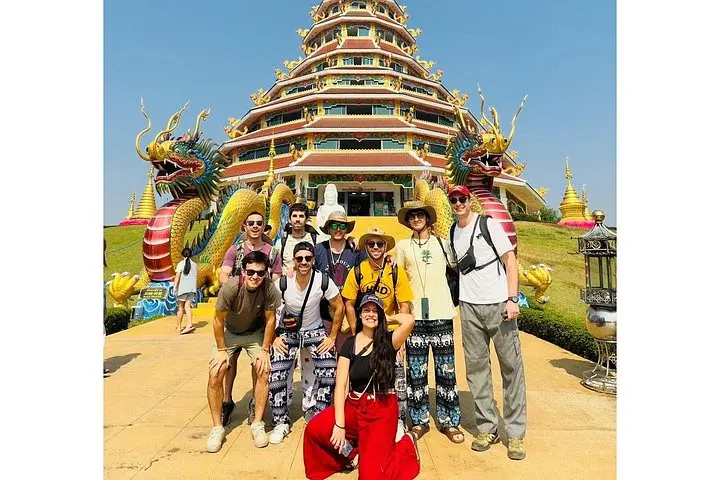
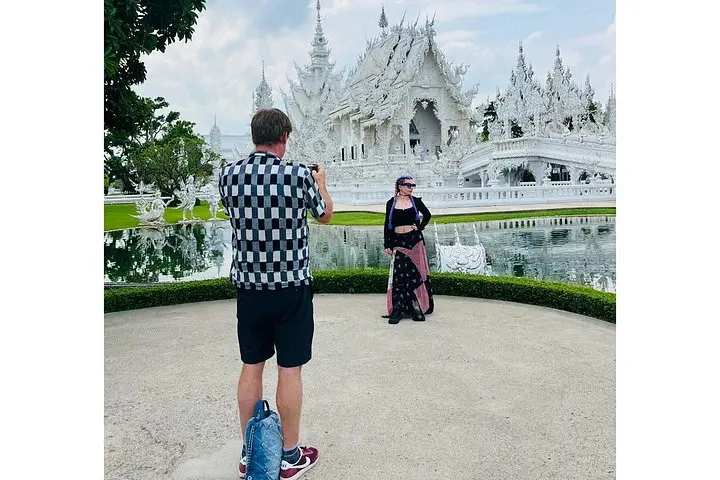
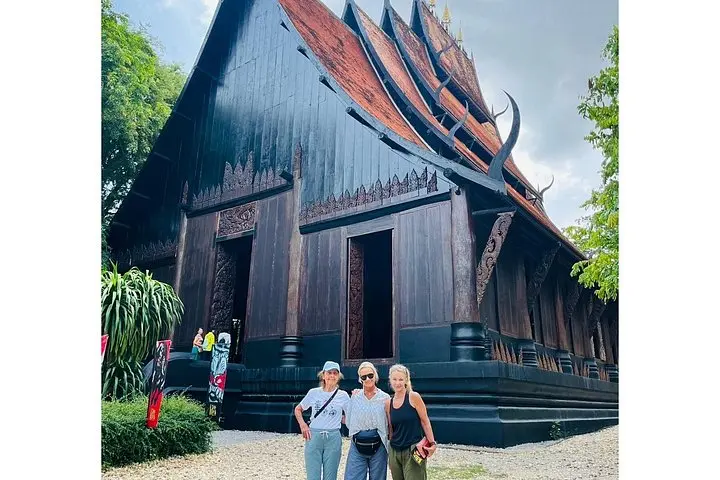
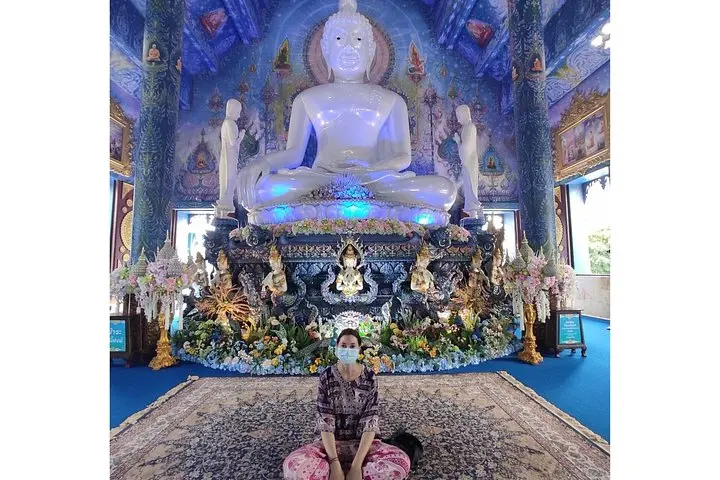
A morning in Chiang Rai begins with clear light cutting across sculpted white spires; the White Temple’s mirrored scales wink like a challenge, daring you to look closer. From there a private vehicle threads rice paddies and low hills toward sapphire paint and carved dragons at the Blue Temple, then to the somber angles of the Black House and the towering pagoda of Wat Huay Pla Kang, where the valley opens beneath you.
Verified experiences and guided adventures in the surrounding area.
Operated by Fant-asia Travel · Chiang Rai, Chiang Rai
A morning in Chiang Rai begins with clear light cutting across sculpted white spires; the White Temple’s mirrored scales wink like a challenge, daring you to look closer. From there a private vehicle threads rice paddies and low hills toward sapphire paint and carved dragons at the Blue Temple, then to the somber angles of the Black House and the towering pagoda of Wat Huay Pla Kang, where the valley opens beneath you.
Chiang Rai sits at the northern edge of former Lanna kingdom lands, founded by King Mengrai in 1262. The area’s geology—rolling volcanic foothills and river plains—gave local artists easy access to clay, teak and stone, and the city’s temples reflect centuries of Lanna, Thai and contemporary artistic influence. Baan Dam (the Black House) is a modern, introspective counterpoint to Wat Rong Khun’s stark symbolism, while Wat Rong Suea Ten (Blue Temple) explores vivid color and myth.
On a private tour you’ll get context from a guide, brief stops for photos, and time to move at your own pace. Practical notes: wear shoulders- and knees-covering clothing for temple entrances and good walking shoes for uneven flagstones. Bring bottled water, cash for small donations or offerings, and a light layer for breezy pagoda rooftops. Plan for a 6–8 hour day with pickup and drop-off in Chiang Rai town; early starts avoid midday heat and allow softer light for photography. Respect signage and quiet spaces—these sites are active places of devotion as well as remarkable architecture.
The tour runs about 6–8 hours (360–480 minutes) including travel time between sites and time at each temple.
Private air-conditioned transport and admission to included sites are typically part of the tour; confirm specific tickets with your operator.
Yes—remove shoes where required, and wear modest clothing that covers shoulders and knees for entry.
Yes; the tour is listed as physically easy but includes walking and steps—request a comfortable pickup point and pace with your guide.
Fant-asia Travel operates guided outdoor trips and adventures with an emphasis on safety, stewardship, and memorable experiences.
A morning in Chiang Rai begins with clear light cutting across sculpted white spires; the White Temple’s mirrored scales wink like a challenge, daring you to look closer. From there a private vehicle threads rice paddies and low hills toward sapphire paint and carved dragons at the Blue Temple, then to the somber angles of the Black House and the towering pagoda of Wat Huay Pla Kang, where the valley opens beneath you.
A morning in Chiang Rai begins with clear light cutting across sculpted white spires; the White Temple’s mirrored scales wink like a challenge, daring you to look closer. From there a private vehicle threads rice paddies and low hills toward sapphire paint and carved dragons at the Blue Temple, then to the somber angles of the Black House and the towering pagoda of Wat Huay Pla Kang, where the valley opens beneath you.
Chiang Rai sits at the northern edge of former Lanna kingdom lands, founded by King Mengrai in 1262. The area’s geology—rolling volcanic foothills and river plains—gave local artists easy access to clay, teak and stone, and the city’s temples reflect centuries of Lanna, Thai and contemporary artistic influence. Baan Dam (the Black House) is a modern, introspective counterpoint to Wat Rong Khun’s stark symbolism, while Wat Rong Suea Ten (Blue Temple) explores vivid color and myth.
On a private tour you’ll get context from a guide, brief stops for photos, and time to move at your own pace. Practical notes: wear shoulders- and knees-covering clothing for temple entrances and good walking shoes for uneven flagstones. Bring bottled water, cash for small donations or offerings, and a light layer for breezy pagoda rooftops. Plan for a 6–8 hour day with pickup and drop-off in Chiang Rai town; early starts avoid midday heat and allow softer light for photography. Respect signage and quiet spaces—these sites are active places of devotion as well as remarkable architecture.