THE ADVENTURE COLLECTIVE® · Independent discovery and booking for outdoor travel

A private two-hour walk through the Chicago History Museum pairs expert storytelling with curated artifacts — from Great Chicago Fire relics to Abraham Lincoln pieces. This accessible, insider-led visit offers focused context on the city’s social and cultural evolution.
A private two-hour walk through the Chicago History Museum pairs expert storytelling with curated artifacts — from Great Chicago Fire relics to Abraham Lincoln pieces. This accessible, insider-led visit offers focused context on the city’s social and cultural evolution.
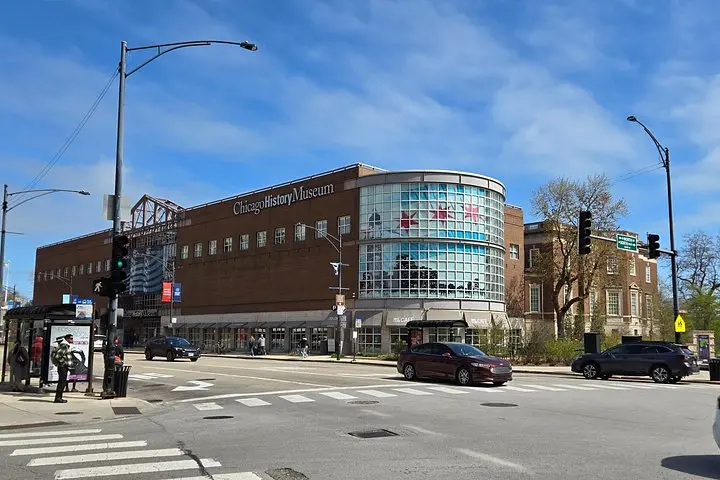
Step through the museum doors on N. Clark and the city’s history rearranges itself around you: the hush of galleries, the crisp smell of paper and varnish, and cases lit to reveal objects that once shaped Chicago’s identity.
Verified experiences and guided adventures in the surrounding area.
Operated by Chicago Museum Tours · Chicago, Illinois
Step through the museum doors on N. Clark and the city’s history rearranges itself around you: the hush of galleries, the crisp smell of paper and varnish, and cases lit to reveal objects that once shaped Chicago’s identity.
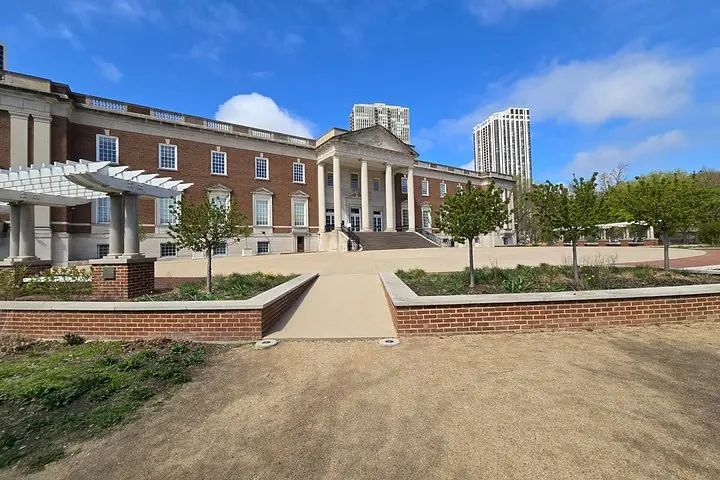
The Chicago History Museum began as the Chicago Historical Society in 1856 and evolved into the modern museum on Lincoln Park’s edge. Exhibits trace the Great Chicago Fire of 1871, the city’s role in labor and civil rights movements, and local innovations from blues music to deep-dish pizza. The building’s plaster and steel sit atop glacially influenced lakeplain soils typical of the Chicago lakefront — urban geology that helped the city grow along the lake.
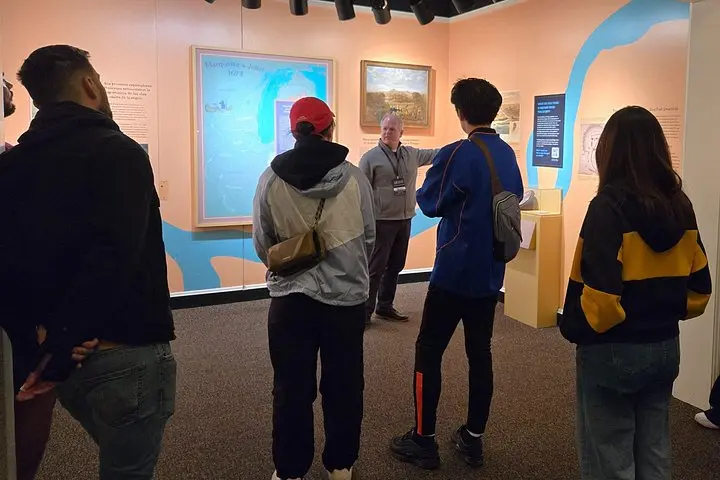
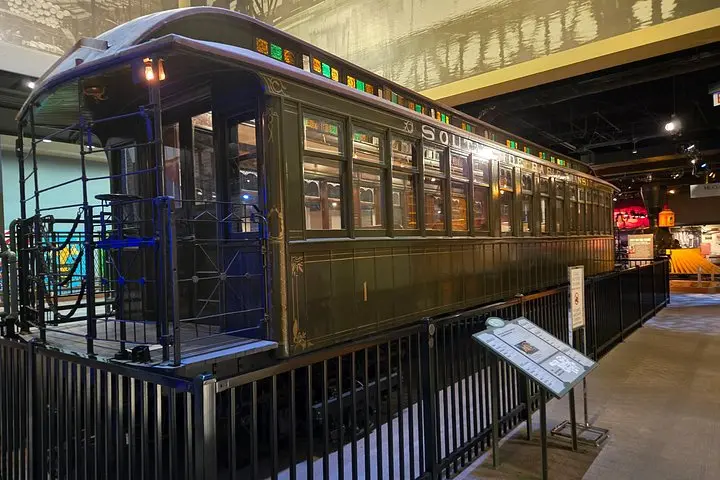
Guides connect artifacts to neighborhoods, showing how immigrant waves, industry, and politics built the skyline. Local insights include Lincoln-era items, vintage photography, and rotating neighborhood installations that spotlight community stories often missed on broad city tours.
Practically: this private walking tour runs about two hours, moves at an easy pace through climate-controlled galleries, and begins outside the museum’s main entrance on N. Clark St. It’s wheelchair and stroller accessible, making it suitable for multi-generational groups. Expect periods of standing for gallery talks and short indoor walks between exhibits.
Timing matters — weekday mornings are calm; weekend afternoons are busier. Bring comfortable shoes, a charged phone for photos, and basic ID. Guides are the value: they connect documents to streets and names to neighborhoods, turning museum cases into a moving map of Chicago’s complex past.
Yes — the tour includes museum admission as part of the booking; show your confirmation to the guide at check-in.
Yes — the museum and the tour route are wheelchair and stroller accessible; contact the operator ahead of time for specific accommodations.
This is a private tour; one booking reserves the private experience for your party — contact the operator if you have questions about maximum group size.
You can cancel for a full refund if you cancel at least 24 hours before the scheduled departure time; within 24 hours is non-refundable.
Chicago Museum Tours operates guided outdoor trips and adventures with an emphasis on safety, stewardship, and memorable experiences.
Step through the museum doors on N. Clark and the city’s history rearranges itself around you: the hush of galleries, the crisp smell of paper and varnish, and cases lit to reveal objects that once shaped Chicago’s identity.
Step through the museum doors on N. Clark and the city’s history rearranges itself around you: the hush of galleries, the crisp smell of paper and varnish, and cases lit to reveal objects that once shaped Chicago’s identity.
The Chicago History Museum began as the Chicago Historical Society in 1856 and evolved into the modern museum on Lincoln Park’s edge. Exhibits trace the Great Chicago Fire of 1871, the city’s role in labor and civil rights movements, and local innovations from blues music to deep-dish pizza. The building’s plaster and steel sit atop glacially influenced lakeplain soils typical of the Chicago lakefront — urban geology that helped the city grow along the lake.
Guides connect artifacts to neighborhoods, showing how immigrant waves, industry, and politics built the skyline. Local insights include Lincoln-era items, vintage photography, and rotating neighborhood installations that spotlight community stories often missed on broad city tours.
Practically: this private walking tour runs about two hours, moves at an easy pace through climate-controlled galleries, and begins outside the museum’s main entrance on N. Clark St. It’s wheelchair and stroller accessible, making it suitable for multi-generational groups. Expect periods of standing for gallery talks and short indoor walks between exhibits.
Timing matters — weekday mornings are calm; weekend afternoons are busier. Bring comfortable shoes, a charged phone for photos, and basic ID. Guides are the value: they connect documents to streets and names to neighborhoods, turning museum cases into a moving map of Chicago’s complex past.