THE ADVENTURE COLLECTIVE® · Independent discovery and booking for outdoor travel

Compare the restored grandeur of Chichén Itzá with the quiet, preserved stones of Yaxunah, then cool off in a sacred cenote. This private full‑day tour blends archaeology, geology and a community-focused experience.
Compare the restored grandeur of Chichén Itzá with the quiet, preserved stones of Yaxunah, then cool off in a sacred cenote. This private full‑day tour blends archaeology, geology and a community-focused experience.
You step from air-conditioned transport into a flat, sunlit plain where stone and jungle meet: the silhouette of El Castillo looms while low scrub and ceiba trees edge the paths. The guide's voice cuts through the heat, pointing to carved friezes and the stepped geometry that once tracked the sun.
Verified experiences and guided adventures in the surrounding area.
Operated by Amigo Tours · Pisté, Yucatán
You step from air-conditioned transport into a flat, sunlit plain where stone and jungle meet: the silhouette of El Castillo looms while low scrub and ceiba trees edge the paths. The guide's voice cuts through the heat, pointing to carved friezes and the stepped geometry that once tracked the sun.
Chichén Itzá is a restored icon of Terminal Classic Maya engineering—pyramids, ballcourts and observatories aligned to celestial cycles. A short drive away, Yaxunah offers a quieter contrast: less restored, more archaeological patina, where masonry and worn plazas read like an open archive. Geologically this stretch of the Yucatán is karst limestone; cenotes are collapsed caves that supply groundwater and carry a long spiritual history in Maya culture.
The day balances reading stones with real-world logistics: expect several flat kilometers of walking across compacted paths, minimal elevation gain but a climb if you approach the Castillo base (roughly 91 steps historically). The cenote swim cools humidity-washed foreheads and reveals fresh-water clarity and small fish; wear a swimsuit under quick-dry clothes and use reef-safe sunscreen.
Practical notes: tours are full-day with hotel pickup, so plan for a 10–12 hour day. Bring 2–3 liters of water, a wide-brim hat, insect repellent, cash for local crafts, and comfortable walking shoes with grip. Respect site rules—no climbing main pyramids—and follow your guide to minimize impact while you learn, swim, and compare two very different faces of Mayan history.
Yes—carry some pesos for souvenirs, additional snacks, or small vendor purchases; card machines are limited.
No—climbing major structures like El Castillo is prohibited to protect the monuments and for visitor safety.
Yes—entry to the sacred cenote is included and typically supervised; life vests may be available on request.
Guides typically provide live commentary in English or Spanish; confirm language needs when booking.
Amigo Tours operates guided outdoor trips and adventures with an emphasis on safety, stewardship, and memorable experiences.

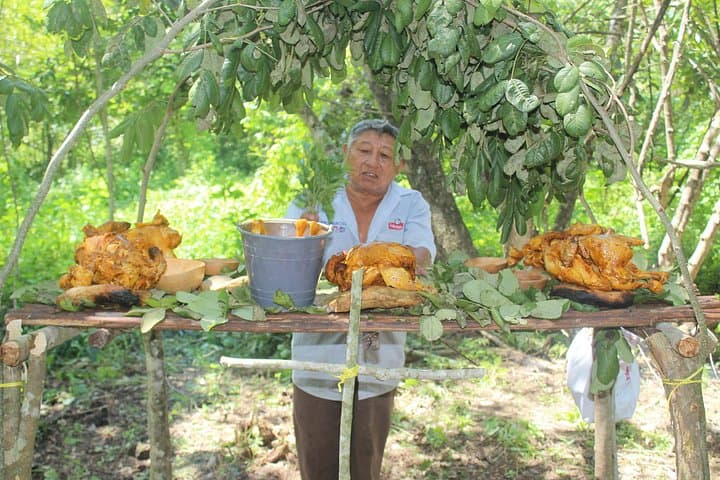


You step from air-conditioned transport into a flat, sunlit plain where stone and jungle meet: the silhouette of El Castillo looms while low scrub and ceiba trees edge the paths. The guide's voice cuts through the heat, pointing to carved friezes and the stepped geometry that once tracked the sun.
You step from air-conditioned transport into a flat, sunlit plain where stone and jungle meet: the silhouette of El Castillo looms while low scrub and ceiba trees edge the paths. The guide's voice cuts through the heat, pointing to carved friezes and the stepped geometry that once tracked the sun.
Chichén Itzá is a restored icon of Terminal Classic Maya engineering—pyramids, ballcourts and observatories aligned to celestial cycles. A short drive away, Yaxunah offers a quieter contrast: less restored, more archaeological patina, where masonry and worn plazas read like an open archive. Geologically this stretch of the Yucatán is karst limestone; cenotes are collapsed caves that supply groundwater and carry a long spiritual history in Maya culture.
The day balances reading stones with real-world logistics: expect several flat kilometers of walking across compacted paths, minimal elevation gain but a climb if you approach the Castillo base (roughly 91 steps historically). The cenote swim cools humidity-washed foreheads and reveals fresh-water clarity and small fish; wear a swimsuit under quick-dry clothes and use reef-safe sunscreen.
Practical notes: tours are full-day with hotel pickup, so plan for a 10–12 hour day. Bring 2–3 liters of water, a wide-brim hat, insect repellent, cash for local crafts, and comfortable walking shoes with grip. Respect site rules—no climbing main pyramids—and follow your guide to minimize impact while you learn, swim, and compare two very different faces of Mayan history.