THE ADVENTURE COLLECTIVE® · Independent discovery and booking for outdoor travel

Walk Geneva’s rivers and lanes on a three‑hour private tour that pairs historic watchmaking sites with chocolate tastings at century‑old ateliers. Learn the city’s craft stories while sampling Swiss chocolate and strolling the lakefront.
Walk Geneva’s rivers and lanes on a three‑hour private tour that pairs historic watchmaking sites with chocolate tastings at century‑old ateliers. Learn the city’s craft stories while sampling Swiss chocolate and strolling the lakefront.
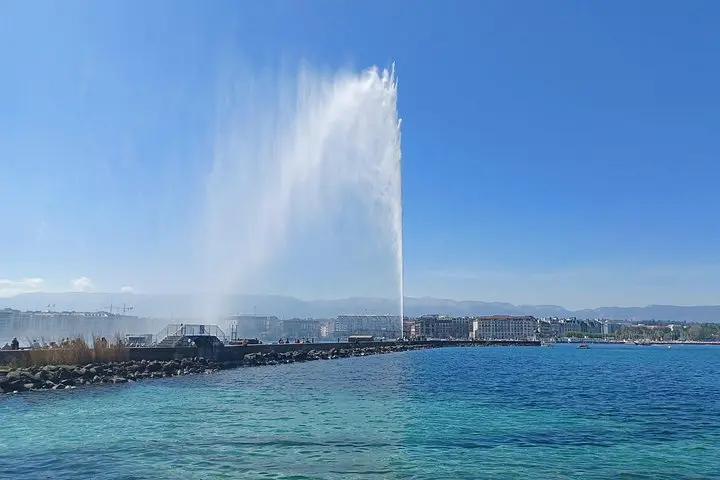
Stand on the Quai du Mont-Blanc with the spray of the Jet d'Eau sketching a silver line across the morning sky and you’ll hear the city’s two signatures at once: the soft clink of shop windows and the distant hiss of water pushing out of Lake Geneva.
Verified experiences and guided adventures in the surrounding area.
Operated by Ana Mitchell · Geneva, Canton of Geneva
Stand on the Quai du Mont-Blanc with the spray of the Jet d'Eau sketching a silver line across the morning sky and you’ll hear the city’s two signatures at once: the soft clink of shop windows and the distant hiss of water pushing out of Lake Geneva.
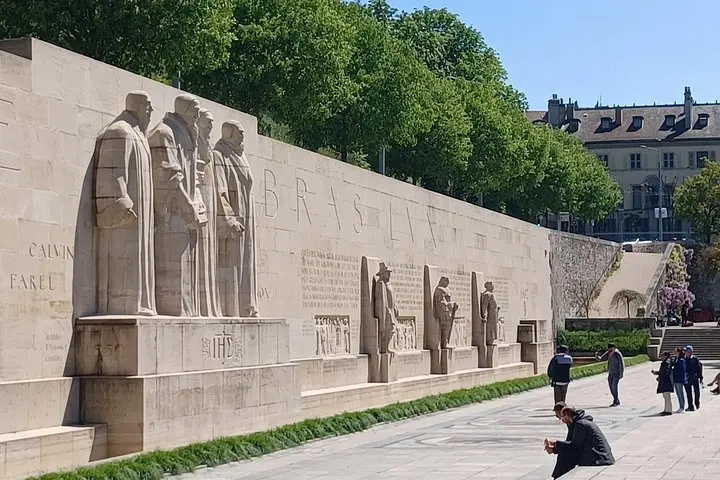
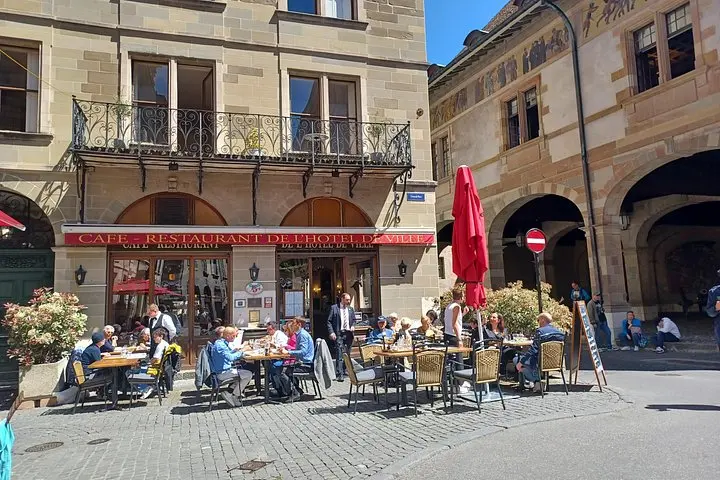
This compact private walking tour threads through Geneva’s Old Town and riverside boulevards, pairing tastings at century-old chocolatiers with stops that explain why this city became a global watchmaking capital. The tour touches Rue du Rhône’s 18th–19th century commercial expansion, the Place du Bourg-de-Four market square with roots in the 9th century, and St. Pierre Cathedral, associated with John Calvin and the Reformation.
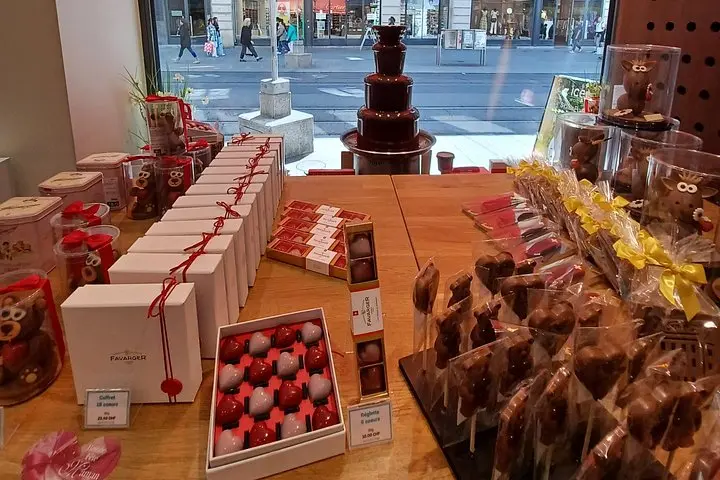
Geology and hydrology shape the route: Lake Geneva is a glacial basin fed by alpine runoff and drained by the Rhône, whose banks hosted the cabinotiers—watchmakers who worked in attic spaces along the river. Chocolate houses like Favarger, founded in the 19th century, preserve artisanal techniques alongside modern boutiques on the city’s luxury lane.
Practical guidance: plan three hours on foot at a relaxed pace, wear comfortable shoes and a light jacket—weather can change near the lake. Bring a reusable water bottle and a small wallet for boutique purchases; many shops accept cards. Morning slots avoid peak crowds and offer cooler tasting conditions. Because this is a private experience, the guide can adjust stops for mobility needs or dietary restrictions—communicate these when booking to get the most from Geneva’s compact, edible and mechanical history.
Yes—children can join, but notify the operator about ages and dietary needs so tastings can be adjusted accordingly.
The tour focuses on watchmaking history and landmarks; factory access is not typically included but boutique visits and explanations of the craft are provided.
Yes—the guide can arrange alternative tastings if informed at booking; always mention specific allergies in advance.
Expect light walking across cobbled streets and along the riverside for roughly three hours with frequent stops for tastings and explanations.
Ana Mitchell operates guided outdoor trips and adventures with an emphasis on safety, stewardship, and memorable experiences.
Stand on the Quai du Mont-Blanc with the spray of the Jet d'Eau sketching a silver line across the morning sky and you’ll hear the city’s two signatures at once: the soft clink of shop windows and the distant hiss of water pushing out of Lake Geneva.
Stand on the Quai du Mont-Blanc with the spray of the Jet d'Eau sketching a silver line across the morning sky and you’ll hear the city’s two signatures at once: the soft clink of shop windows and the distant hiss of water pushing out of Lake Geneva.
This compact private walking tour threads through Geneva’s Old Town and riverside boulevards, pairing tastings at century-old chocolatiers with stops that explain why this city became a global watchmaking capital. The tour touches Rue du Rhône’s 18th–19th century commercial expansion, the Place du Bourg-de-Four market square with roots in the 9th century, and St. Pierre Cathedral, associated with John Calvin and the Reformation.
Geology and hydrology shape the route: Lake Geneva is a glacial basin fed by alpine runoff and drained by the Rhône, whose banks hosted the cabinotiers—watchmakers who worked in attic spaces along the river. Chocolate houses like Favarger, founded in the 19th century, preserve artisanal techniques alongside modern boutiques on the city’s luxury lane.
Practical guidance: plan three hours on foot at a relaxed pace, wear comfortable shoes and a light jacket—weather can change near the lake. Bring a reusable water bottle and a small wallet for boutique purchases; many shops accept cards. Morning slots avoid peak crowds and offer cooler tasting conditions. Because this is a private experience, the guide can adjust stops for mobility needs or dietary restrictions—communicate these when booking to get the most from Geneva’s compact, edible and mechanical history.