THE ADVENTURE COLLECTIVE® · Independent discovery and booking for outdoor travel

Descend into Whitehall's wartime nerve centre on a private Blue Badge tour of Churchill's War Rooms. This guided visit pairs intimate underground rooms with curated biography for a focused WWII experience.
Descend into Whitehall's wartime nerve centre on a private Blue Badge tour of Churchill's War Rooms. This guided visit pairs intimate underground rooms with curated biography for a focused WWII experience.
You step off Whitehall into a quiet cut of London and descend concrete stairs that still smell faintly of old paint and iron. The air cools; the city noise softens. Beneath the government offices, a low-slung complex of rooms and corridors opens into the place where wartime decisions were made: the Cabinet Room, the Map Room and Churchill’s compact office and bedroom. The lighting is controlled, the displays intimate — this is a museum that asks you to lean in.
Verified experiences and guided adventures in the surrounding area.
Operated by London Guide Warren · London, England
You step off Whitehall into a quiet cut of London and descend concrete stairs that still smell faintly of old paint and iron. The air cools; the city noise softens. Beneath the government offices, a low-slung complex of rooms and corridors opens into the place where wartime decisions were made: the Cabinet Room, the Map Room and Churchill’s compact office and bedroom. The lighting is controlled, the displays intimate — this is a museum that asks you to lean in.
The War Rooms were carved into wartime Westminster and protected by a reinforced concrete slab that shielded the operation from aerial attack. The Map Room functioned as Britain’s wartime nervous system; the SIGSALY telephone system connected Churchill with Roosevelt through bulky, secret equipment hidden behind everyday doors. The adjacent Churchill Museum follows his arc from Harrow schoolboy to wartime leader and Cold War statesman, with personal objects such as his siren suit and wartime papers.
This private Blue Badge–led tour moves at a measured pace and fills historical context into small physical spaces. Expect narrow corridors, standing exhibits, and a mix of replica and original fittings — the experience blends immersive cabinet-room atmosphere with curated biography. Practical note: the tour runs about 2–2.5 hours, includes priority entry and an optional short walk to see the statue in Parliament Square, and is wheelchair accessible with some level changes. Bring a small bag, comfortable shoes, and time to read labels; photography rules vary by display. For history-minded travelers, this is a focused, deeply human encounter with the machinery of leadership under siege.
The private tour runs roughly 2 to 2.5 hours including the Churchill Museum and show-and-tell stops in the War Rooms.
Yes — the War Rooms provide wheelchair access and accessible surfaces; notify the operator of requirements when booking.
Photography is permitted in some areas but restricted in others to protect artifacts and displays; follow guide directions.
The content is recommended for ages 8 and up; younger children may struggle with the historical detail and confined spaces.
London Guide Warren operates guided outdoor trips and adventures with an emphasis on safety, stewardship, and memorable experiences.
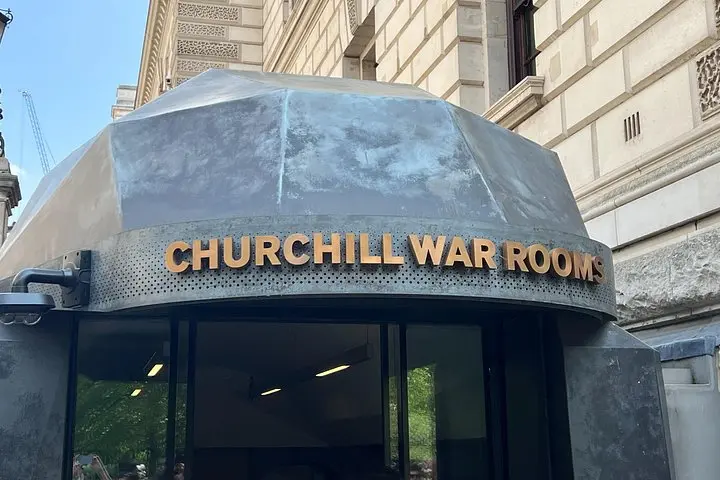
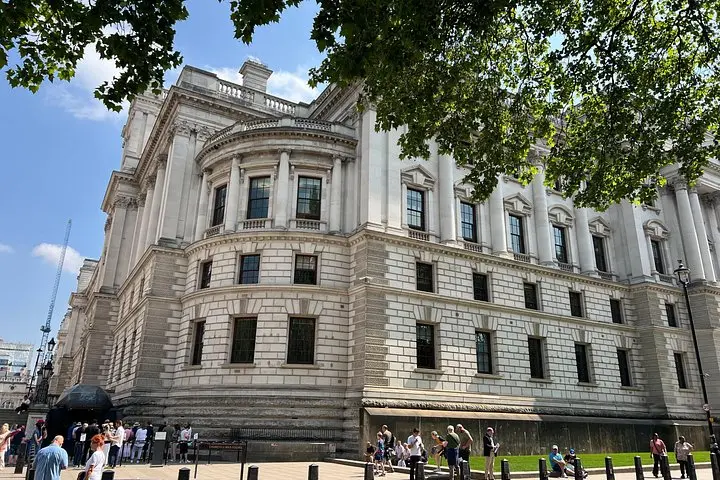
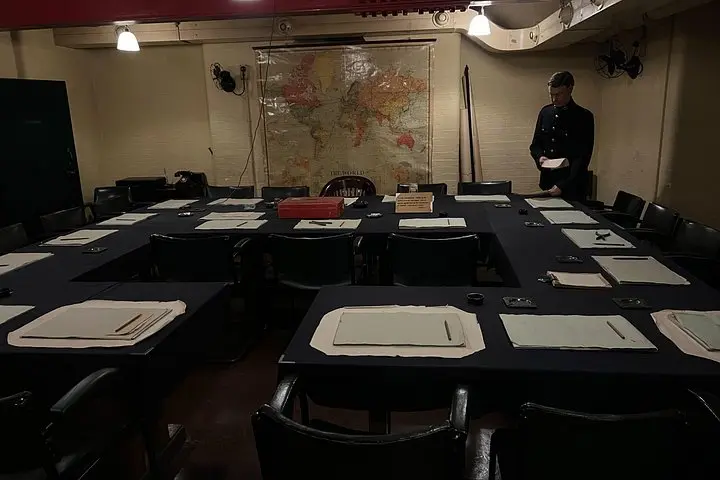
You step off Whitehall into a quiet cut of London and descend concrete stairs that still smell faintly of old paint and iron. The air cools; the city noise softens. Beneath the government offices, a low-slung complex of rooms and corridors opens into the place where wartime decisions were made: the Cabinet Room, the Map Room and Churchill’s compact office and bedroom. The lighting is controlled, the displays intimate — this is a museum that asks you to lean in.
You step off Whitehall into a quiet cut of London and descend concrete stairs that still smell faintly of old paint and iron. The air cools; the city noise softens. Beneath the government offices, a low-slung complex of rooms and corridors opens into the place where wartime decisions were made: the Cabinet Room, the Map Room and Churchill’s compact office and bedroom. The lighting is controlled, the displays intimate — this is a museum that asks you to lean in.
The War Rooms were carved into wartime Westminster and protected by a reinforced concrete slab that shielded the operation from aerial attack. The Map Room functioned as Britain’s wartime nervous system; the SIGSALY telephone system connected Churchill with Roosevelt through bulky, secret equipment hidden behind everyday doors. The adjacent Churchill Museum follows his arc from Harrow schoolboy to wartime leader and Cold War statesman, with personal objects such as his siren suit and wartime papers.
This private Blue Badge–led tour moves at a measured pace and fills historical context into small physical spaces. Expect narrow corridors, standing exhibits, and a mix of replica and original fittings — the experience blends immersive cabinet-room atmosphere with curated biography. Practical note: the tour runs about 2–2.5 hours, includes priority entry and an optional short walk to see the statue in Parliament Square, and is wheelchair accessible with some level changes. Bring a small bag, comfortable shoes, and time to read labels; photography rules vary by display. For history-minded travelers, this is a focused, deeply human encounter with the machinery of leadership under siege.