THE ADVENTURE COLLECTIVE® · Independent discovery and booking for outdoor travel

Explore Manama in a private half‑day: visit Al Fateh Grand Mosque, the Bahrain National Museum, UNESCO‑listed Bahrain Fort and a public camel farm. This compact, guided circuit delivers cultural context, easy walking and practical tips for hot, humid days.
Explore Manama in a private half‑day: visit Al Fateh Grand Mosque, the Bahrain National Museum, UNESCO‑listed Bahrain Fort and a public camel farm. This compact, guided circuit delivers cultural context, easy walking and practical tips for hot, humid days.
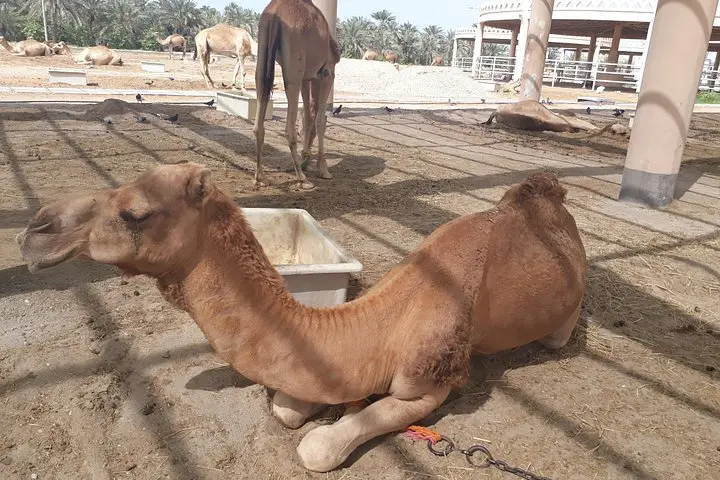
The morning air in Manama can feel like an invitation: low light on concrete and sea, a driver waiting at a hotel curb, and the city’s layered history ready to be walked. On this private, five‑hour circuit visitors move from the sweep of Al Fateh Grand Mosque to the display cases of the Bahrain National Museum, then across reclaimed land to the palm‑ringed ruins of Bahrain Fort and finally to the sandy pens of a working camel farm.
Verified experiences and guided adventures in the surrounding area.
Operated by Bahrain tour · Manama, Capital Governorate
The morning air in Manama can feel like an invitation: low light on concrete and sea, a driver waiting at a hotel curb, and the city’s layered history ready to be walked. On this private, five‑hour circuit visitors move from the sweep of Al Fateh Grand Mosque to the display cases of the Bahrain National Museum, then across reclaimed land to the palm‑ringed ruins of Bahrain Fort and finally to the sandy pens of a working camel farm.
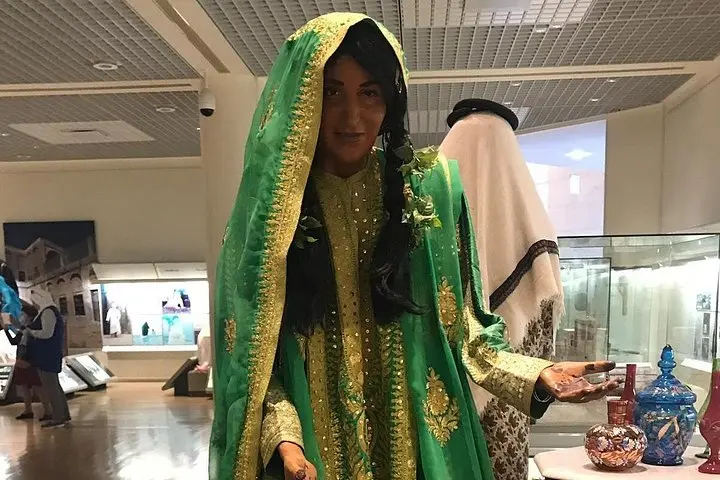
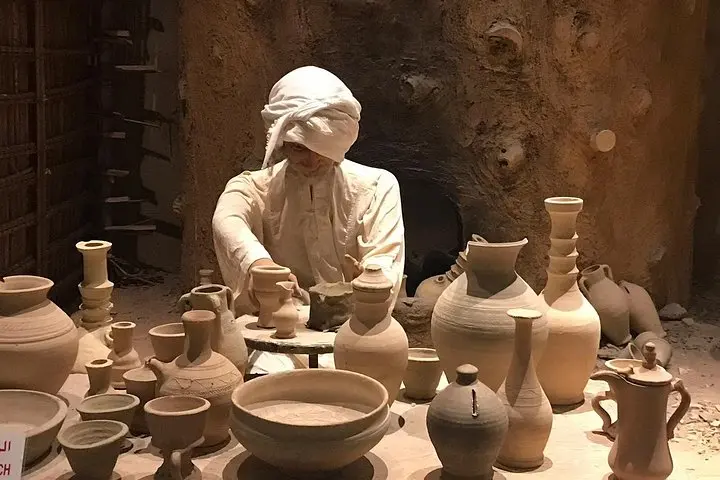
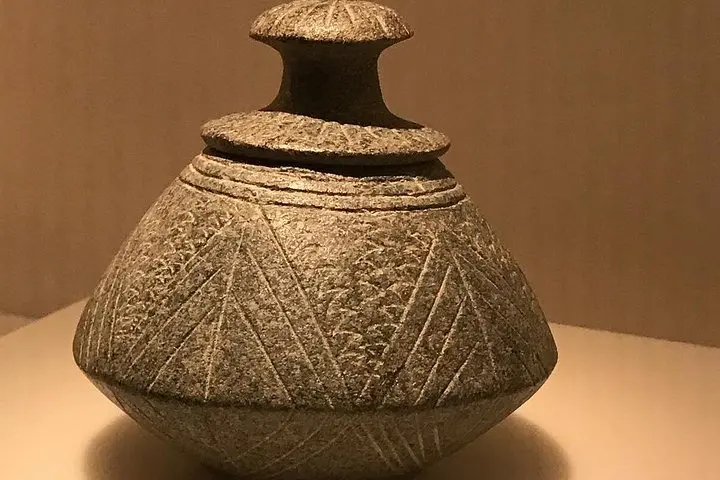
Geology here is subtle — a flat limestone island punctuated by reclaimed coastal fills and shallow reefs that shaped early settlement. Culturally the tour traces long arcs: artifacts at the national museum document the Dilmun civilization (third millennium BC) and traditional crafts; the fort sits atop archaeological layers that record millennia of occupation; the mosque and modern waterfront reflect a post‑oil urban identity that is still evolving.
Expect close, guided interpretation at each stop: mosque etiquette and a possible fitting of traditional garments; curated galleries that require time to appreciate; a short walk around the UNESCO‑listed fort mound; and a hands‑on moment feeding camels. The pace is urban and accessible — mostly flat surfaces with short walks between exhibits.
Practical edge: dress conservatively for the mosque (shoulders and knees covered), carry sun protection and refillable water, and schedule the tour earlier or later in the day to avoid peak heat. Ask about entrance inclusions, and if arriving by cruise, confirm pickup and reboarding windows. This itinerary suits travelers who want a compact, interpretive introduction to Bahrain’s past and present.
The itinerary notes some admissions are included (e.g., Bahrain National Museum); confirm with the operator which sites and fees are covered at booking.
Modest dress is required: shoulders and knees covered. Women may be asked to wear an abaya or headscarf available at the mosque’s fitting room.
Yes, but cruise passengers must provide ship details and times at booking; late or missed reboarding can forfeit refunds.
Much of the tour is on flat, paved surfaces and accessible by vehicle, but access at the fort or camel farm may be limited—check with the operator for specific needs.
Bahrain tour operates guided outdoor trips and adventures with an emphasis on safety, stewardship, and memorable experiences.
The morning air in Manama can feel like an invitation: low light on concrete and sea, a driver waiting at a hotel curb, and the city’s layered history ready to be walked. On this private, five‑hour circuit visitors move from the sweep of Al Fateh Grand Mosque to the display cases of the Bahrain National Museum, then across reclaimed land to the palm‑ringed ruins of Bahrain Fort and finally to the sandy pens of a working camel farm.
The morning air in Manama can feel like an invitation: low light on concrete and sea, a driver waiting at a hotel curb, and the city’s layered history ready to be walked. On this private, five‑hour circuit visitors move from the sweep of Al Fateh Grand Mosque to the display cases of the Bahrain National Museum, then across reclaimed land to the palm‑ringed ruins of Bahrain Fort and finally to the sandy pens of a working camel farm.
Geology here is subtle — a flat limestone island punctuated by reclaimed coastal fills and shallow reefs that shaped early settlement. Culturally the tour traces long arcs: artifacts at the national museum document the Dilmun civilization (third millennium BC) and traditional crafts; the fort sits atop archaeological layers that record millennia of occupation; the mosque and modern waterfront reflect a post‑oil urban identity that is still evolving.
Expect close, guided interpretation at each stop: mosque etiquette and a possible fitting of traditional garments; curated galleries that require time to appreciate; a short walk around the UNESCO‑listed fort mound; and a hands‑on moment feeding camels. The pace is urban and accessible — mostly flat surfaces with short walks between exhibits.
Practical edge: dress conservatively for the mosque (shoulders and knees covered), carry sun protection and refillable water, and schedule the tour earlier or later in the day to avoid peak heat. Ask about entrance inclusions, and if arriving by cruise, confirm pickup and reboarding windows. This itinerary suits travelers who want a compact, interpretive introduction to Bahrain’s past and present.