THE ADVENTURE COLLECTIVE® · Independent discovery and booking for outdoor travel

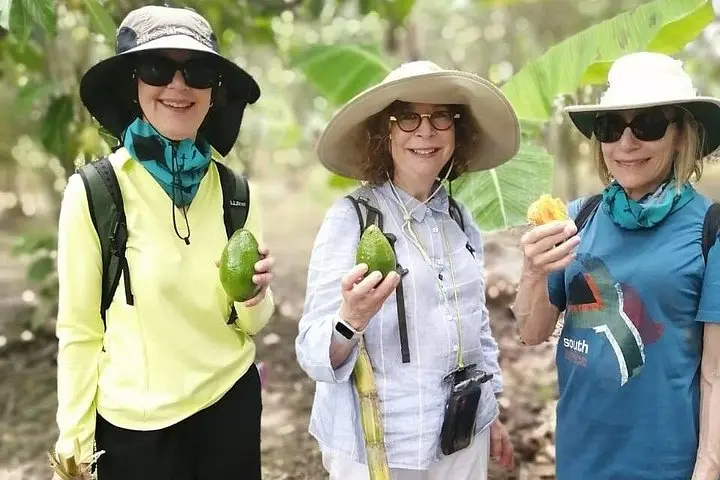
Spend a half-day on a private Ecuadorian cocoa estate learning traditional growing and artisanal chocolate-making. This hands-on tour includes farm-to-table lunch and a chance to craft your own bar while exploring tropical fruit groves.
Spend a half-day on a private Ecuadorian cocoa estate learning traditional growing and artisanal chocolate-making. This hands-on tour includes farm-to-table lunch and a chance to craft your own bar while exploring tropical fruit groves.
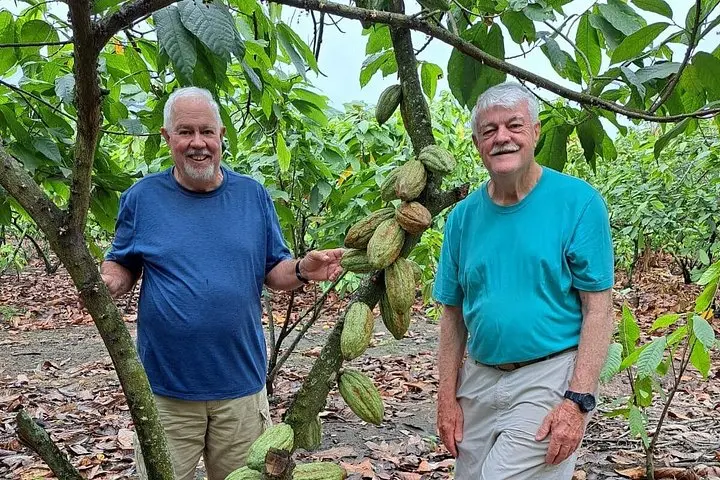
You step off the shaded lane and into a sun-warmed field where cocoa pods hang like slow-moving lanterns and the air smells of humid earth and ripe fruit. The family estate stretches across gentle slopes; palms and fruit trees lean toward the same sky, and the estate’s small river threads through the property, urging you to follow.
Verified experiences and guided adventures in the surrounding area.
Operated by PROTRIP · Guayaquil, Guayas
You step off the shaded lane and into a sun-warmed field where cocoa pods hang like slow-moving lanterns and the air smells of humid earth and ripe fruit. The family estate stretches across gentle slopes; palms and fruit trees lean toward the same sky, and the estate’s small river threads through the property, urging you to follow.
Cocoa has shaped Ecuador’s coast for centuries—Arriba Nacional cacao from this region is celebrated for its floral aroma and fine flavor. The farm tour traces that history: from pollination and fermentation beds to the drying patios where scents tighten into chocolate’s signature depth. Geology matters here too; the soils are alluvial, shaped by river deposits that favor cocoa and tropical fruit growth.
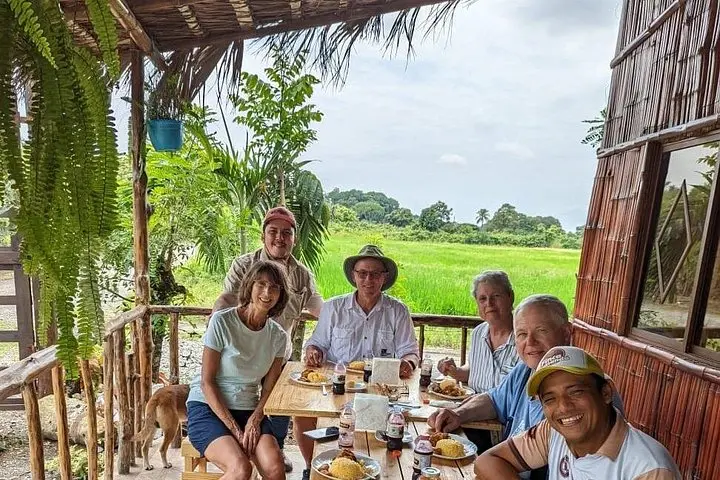
Culturally, the visit is a working conversation with local methods—family-run plots, hands-on techniques, and a farm-to-table lunch that reads like a primer on regional flavors. You’ll grind beans, temper chocolate, and pour your own bar, a tactile link between plant and product.
Practical guidance: the tour runs about five to six hours, mostly on compacted farm tracks with short uphill sections. Wear sturdy, closed-toe shoes and sun protection; bring insect repellent and a small refillable water bottle. Expect active, family-friendly pacing with opportunities to taste fresh fruit and cacao at each stage. If you want photos of the fermentation process or to talk soil practices, plan questions ahead—hosts welcome curious guests. This is an immersive, hands-on day that leaves you with a bar you made and a clearer sense of why Ecuadorian cocoa commands attention.
Yes—private transportation is included as part of the tour; pickup and drop-off details are confirmed at booking.
Yes—the tour is family-friendly, but infants must sit on an adult’s lap and the activity requires moderate physical mobility.
Yes—there’s a hands-on chocolate-making session where you process cacao elements and create a personalized bar to take home.
Guides typically speak Spanish; many operators that serve international guests arrange English-speaking guides on request—confirm when booking.
PROTRIP operates guided outdoor trips and adventures with an emphasis on safety, stewardship, and memorable experiences.
You step off the shaded lane and into a sun-warmed field where cocoa pods hang like slow-moving lanterns and the air smells of humid earth and ripe fruit. The family estate stretches across gentle slopes; palms and fruit trees lean toward the same sky, and the estate’s small river threads through the property, urging you to follow.
You step off the shaded lane and into a sun-warmed field where cocoa pods hang like slow-moving lanterns and the air smells of humid earth and ripe fruit. The family estate stretches across gentle slopes; palms and fruit trees lean toward the same sky, and the estate’s small river threads through the property, urging you to follow.
Cocoa has shaped Ecuador’s coast for centuries—Arriba Nacional cacao from this region is celebrated for its floral aroma and fine flavor. The farm tour traces that history: from pollination and fermentation beds to the drying patios where scents tighten into chocolate’s signature depth. Geology matters here too; the soils are alluvial, shaped by river deposits that favor cocoa and tropical fruit growth.
Culturally, the visit is a working conversation with local methods—family-run plots, hands-on techniques, and a farm-to-table lunch that reads like a primer on regional flavors. You’ll grind beans, temper chocolate, and pour your own bar, a tactile link between plant and product.
Practical guidance: the tour runs about five to six hours, mostly on compacted farm tracks with short uphill sections. Wear sturdy, closed-toe shoes and sun protection; bring insect repellent and a small refillable water bottle. Expect active, family-friendly pacing with opportunities to taste fresh fruit and cacao at each stage. If you want photos of the fermentation process or to talk soil practices, plan questions ahead—hosts welcome curious guests. This is an immersive, hands-on day that leaves you with a bar you made and a clearer sense of why Ecuadorian cocoa commands attention.