THE ADVENTURE COLLECTIVE® · Independent discovery and booking for outdoor travel

Ride the Cyclone, circle the Wonder Wheel and taste an original Nathan’s hot dog on a private half-day tour that includes subway travel, beach time, and an aquarium stop. Ideal for families and first-time visitors who want local context and easy logistics.
Ride the Cyclone, circle the Wonder Wheel and taste an original Nathan’s hot dog on a private half-day tour that includes subway travel, beach time, and an aquarium stop. Ideal for families and first-time visitors who want local context and easy logistics.
The first salt wind hits just after you climb down from the subway stairs; it smells of fried dough and ocean brine, and it pushes you toward the rattling boards and bright flags of Coney Island.
Verified experiences and guided adventures in the surrounding area.
Operated by Ann McDermott · Brooklyn, NY
The first salt wind hits just after you climb down from the subway stairs; it smells of fried dough and ocean brine, and it pushes you toward the rattling boards and bright flags of Coney Island.
Starting in Times Square, your guide leads the group through a stream of subway commuters, and then the city peels away—blocks become low brick houses, backyards and rooftop terraces until the elevated tracks swing you out over the southern edge of Brooklyn and the Atlantic opens up like a promise.
Coney Island is less a single place than an accumulation of eras: Victorian bathhouses, the wooden shoulders of the Cyclone (built 1927), the Ferris-like Wonder Wheel installed in 1920, and the Parachute Jump—an Art Deco landmark that still cuts the skyline despite its silent cables. The boardwalk itself, built on reclaimed sand and early 20th-century coastal engineering, runs a straight line of salted wood, concrete and the constant pulse of amusement sounds.
Ride mechanics, concession stands and aquarium tanks all tell a city story—immigrant entrepreneurs, wartime diversions and summertime escapes for millions of New Yorkers. The New York Aquarium anchors the north end with modern exhibits that contrast sharply with the antique rides a few blocks away; the juxtaposition captures Coney Island’s oddball charm.
By midday you’ll choose your own pace: dare the Cyclone’s wooden drops, take the Wonder Wheel’s slow arc for skyline views, or find a quieter stretch of sand to dunk into the Atlantic. The guide can point out the historic footprints: where Nathan’s opened in 1916, where the Parachute Jump stood as a festival landmark, and which storefronts still sell salt water taffy.
Practicalities are simple but matter. The tour is 5–6 hours round trip; subway fare and ride tickets are extra. Wear sturdy shoes—the boardwalk is flat but busy—and bring a towel if you plan to swim; lifeguards patrol seasonally but currents can be strong, so swim near guarded areas. Peak crowds arrive in summer weekends; mornings and late afternoons are quieter and better for photos.
Families will appreciate stroller access and aquarium options for kids; food lovers should budget for local stands and Nathan’s fries. The guide’s local knowledge saves you time—shortcuts to less-crowded views, where to snag an empty bench, and the best vendor for a cold soda.
Coney Island is loud and slightly ragged, a seaside place that dares you to jump in. This private visit hands you the keys: a local who grew up with its rides, the subway trip that feels like part of the adventure, and a half-day to pick your own mix of thrill, sand and salt-air nostalgia.
No—the tour includes guiding and transit accompaniment but subway fares and ride tickets are your responsibility.
No, rides and aquarium tickets are extra; the guide advises where to buy tickets and can help prioritize attractions.
Yes—bring a swimsuit and towel. Swim only at lifeguarded areas during posted hours and follow your guide’s safety advice.
The boardwalk and subway routes are generally stroller-accessible; accessibility for wheelchairs can vary—contact the operator with specifics prior to booking.
The tour may be canceled for heavy rain, high winds or dangerous surf; the operator offers a full refund if you cancel at least 24 hours ahead under the stated policy.
Expect about an hour each way on the Q train; travel time can vary with transfers and time of day.
Ann McDermott operates guided outdoor trips and adventures with an emphasis on safety, stewardship, and memorable experiences.

The first salt wind hits just after you climb down from the subway stairs; it smells of fried dough and ocean brine, and it pushes you toward the rattling boards and bright flags of Coney Island.
The first salt wind hits just after you climb down from the subway stairs; it smells of fried dough and ocean brine, and it pushes you toward the rattling boards and bright flags of Coney Island.
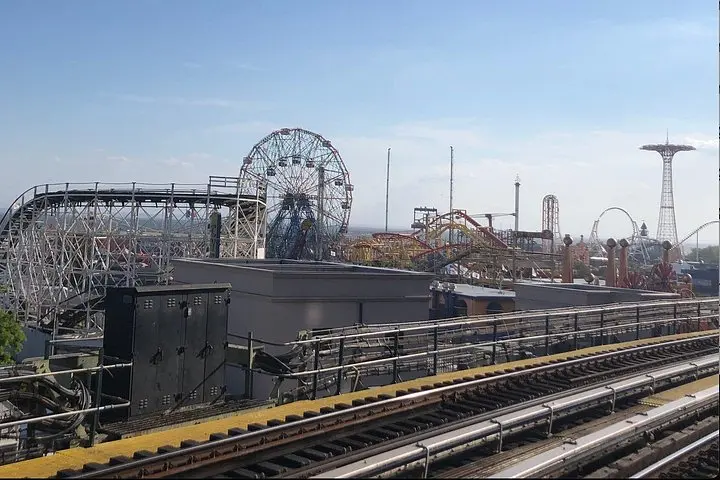
Starting in Times Square, your guide leads the group through a stream of subway commuters, and then the city peels away—blocks become low brick houses, backyards and rooftop terraces until the elevated tracks swing you out over the southern edge of Brooklyn and the Atlantic opens up like a promise.
Coney Island is less a single place than an accumulation of eras: Victorian bathhouses, the wooden shoulders of the Cyclone (built 1927), the Ferris-like Wonder Wheel installed in 1920, and the Parachute Jump—an Art Deco landmark that still cuts the skyline despite its silent cables. The boardwalk itself, built on reclaimed sand and early 20th-century coastal engineering, runs a straight line of salted wood, concrete and the constant pulse of amusement sounds.
Ride mechanics, concession stands and aquarium tanks all tell a city story—immigrant entrepreneurs, wartime diversions and summertime escapes for millions of New Yorkers. The New York Aquarium anchors the north end with modern exhibits that contrast sharply with the antique rides a few blocks away; the juxtaposition captures Coney Island’s oddball charm.
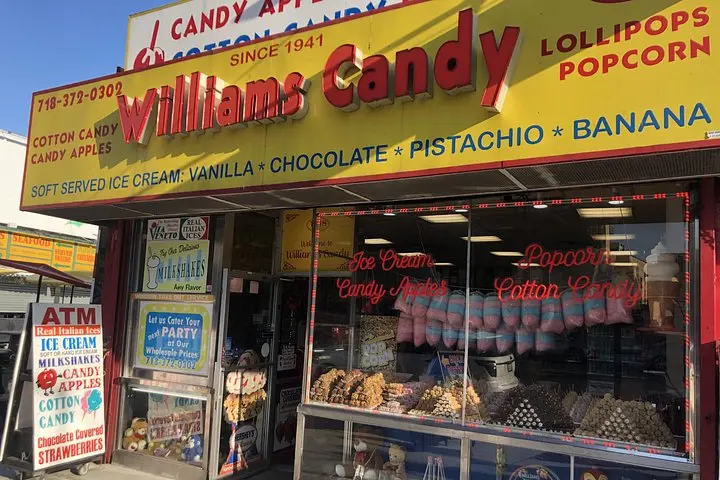
By midday you’ll choose your own pace: dare the Cyclone’s wooden drops, take the Wonder Wheel’s slow arc for skyline views, or find a quieter stretch of sand to dunk into the Atlantic. The guide can point out the historic footprints: where Nathan’s opened in 1916, where the Parachute Jump stood as a festival landmark, and which storefronts still sell salt water taffy.
Practicalities are simple but matter. The tour is 5–6 hours round trip; subway fare and ride tickets are extra. Wear sturdy shoes—the boardwalk is flat but busy—and bring a towel if you plan to swim; lifeguards patrol seasonally but currents can be strong, so swim near guarded areas. Peak crowds arrive in summer weekends; mornings and late afternoons are quieter and better for photos.
Families will appreciate stroller access and aquarium options for kids; food lovers should budget for local stands and Nathan’s fries. The guide’s local knowledge saves you time—shortcuts to less-crowded views, where to snag an empty bench, and the best vendor for a cold soda.
Coney Island is loud and slightly ragged, a seaside place that dares you to jump in. This private visit hands you the keys: a local who grew up with its rides, the subway trip that feels like part of the adventure, and a half-day to pick your own mix of thrill, sand and salt-air nostalgia.