THE ADVENTURE COLLECTIVE® · Independent discovery and booking for outdoor travel

Learn to cook traditional Costa Rican dishes in a private Montezuma home, then taste your creations with beach views. This two-hour, hands-on class covers staples like gallo pinto and casado, with local context on ingredients and fishing traditions.
Learn to cook traditional Costa Rican dishes in a private Montezuma home, then taste your creations with beach views. This two-hour, hands-on class covers staples like gallo pinto and casado, with local context on ingredients and fishing traditions.
You step through a private home's gate and the Atlantic breeze folds around you, carrying the salt of Montezuma’s shoreline and the scent of sizzling garlic.
Verified experiences and guided adventures in the surrounding area.
Operated by TICO SPANISH · Montezuma, Puntarenas
You step through a private home's gate and the Atlantic breeze folds around you, carrying the salt of Montezuma’s shoreline and the scent of sizzling garlic.
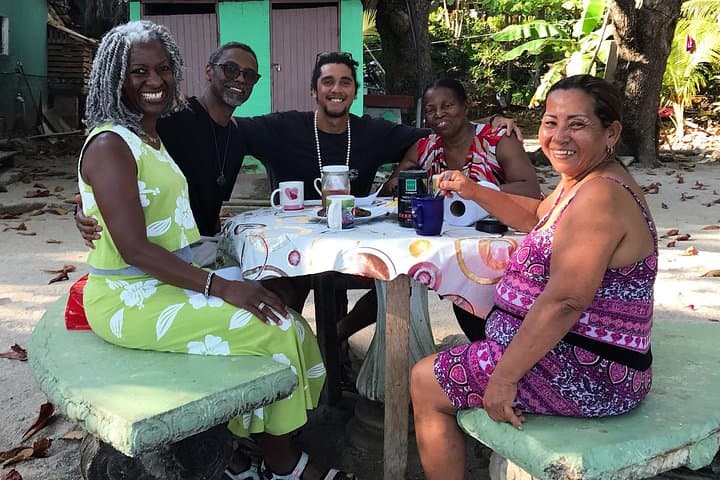
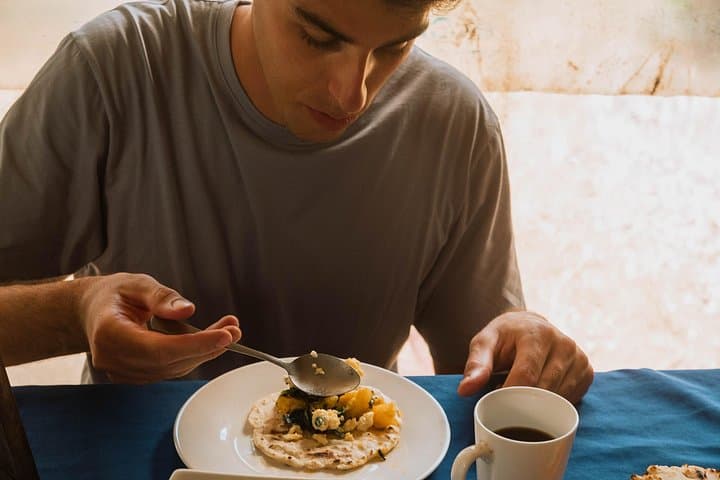
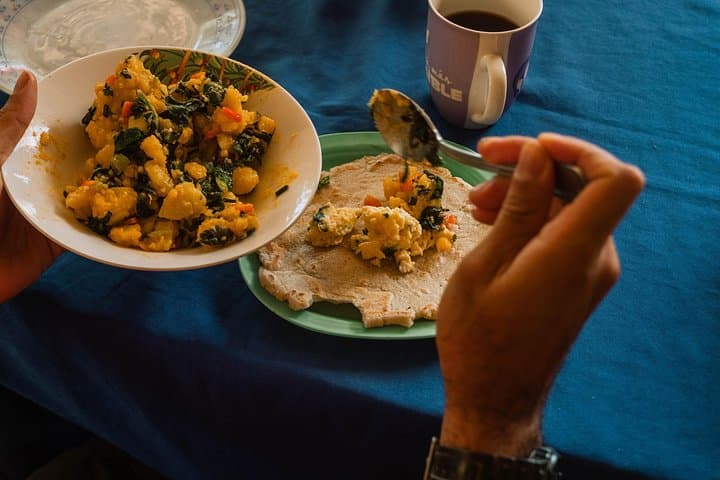
Hosts—local cooks with quick hands and patient smiles—welcome guests into a compact kitchen where fresh produce, citrus, and the catch of the day form the lesson plan. Over two hours you learn staples of Costa Rican home cooking: gallo pinto rhythms for breakfast, a perfectly seasoned casado, and techniques for handling plantains and fresh seafood.
Montezuma sits at the southern tip of the Nicoya Peninsula, a place shaped by volcanic uplift and coastal erosion; the rugged shoreline and nearby Cabo Blanco reserve inform both the menu and the rhythm of daily life. Food culture here blends indigenous agricultural practices, Spanish-introduced staples, and Afro-Caribbean influences—simple ingredients prepared with intention.
Expect hands-on instruction, communal tasting, and a beachside lunch often paired with a cold beer. Hosts typically discuss local farming, fishing methods, and seasonal produce available in Puntarenas province, giving context to each recipe.
Practical guidance: confirm dietary needs when booking, arrive with comfortable, washable clothing, and plan light footwear—the home and outdoor prep areas can be sandy and warm. Bring a refillable water bottle and a small tip for your hosts if the experience felt personal.
This is a low-impact, cultural exchange more than a commercial kitchen demo—it's best for travelers who want to return home with recipes, techniques, and a clearer sense of Costa Rican daily life.
Yes—hosts welcome vegetarians and can adapt recipes if you note dietary needs when booking.
Pickup is arranged on request; confirm your pickup point during booking as some locations require meeting at a central spot in Montezuma.
Most local hosts speak Spanish and conversational English; clarify language needs when you reserve.
Food, a lunch tasting, and a beer are included; gratuities and round‑trip transfers (if requested) are typically extra.
TICO SPANISH operates guided outdoor trips and adventures with an emphasis on safety, stewardship, and memorable experiences.

You step through a private home's gate and the Atlantic breeze folds around you, carrying the salt of Montezuma’s shoreline and the scent of sizzling garlic.
You step through a private home's gate and the Atlantic breeze folds around you, carrying the salt of Montezuma’s shoreline and the scent of sizzling garlic.
Hosts—local cooks with quick hands and patient smiles—welcome guests into a compact kitchen where fresh produce, citrus, and the catch of the day form the lesson plan. Over two hours you learn staples of Costa Rican home cooking: gallo pinto rhythms for breakfast, a perfectly seasoned casado, and techniques for handling plantains and fresh seafood.
Montezuma sits at the southern tip of the Nicoya Peninsula, a place shaped by volcanic uplift and coastal erosion; the rugged shoreline and nearby Cabo Blanco reserve inform both the menu and the rhythm of daily life. Food culture here blends indigenous agricultural practices, Spanish-introduced staples, and Afro-Caribbean influences—simple ingredients prepared with intention.
Expect hands-on instruction, communal tasting, and a beachside lunch often paired with a cold beer. Hosts typically discuss local farming, fishing methods, and seasonal produce available in Puntarenas province, giving context to each recipe.
Practical guidance: confirm dietary needs when booking, arrive with comfortable, washable clothing, and plan light footwear—the home and outdoor prep areas can be sandy and warm. Bring a refillable water bottle and a small tip for your hosts if the experience felt personal.
This is a low-impact, cultural exchange more than a commercial kitchen demo—it's best for travelers who want to return home with recipes, techniques, and a clearer sense of Costa Rican daily life.