THE ADVENTURE COLLECTIVE® · Independent discovery and booking for outdoor travel

Drive out of Amsterdam into the geometric order of reclaimed polders, visit working windmills and taste Gouda and Edam on a private six-hour countryside loop. This non-touristic route mixes village walks, a museum mill visit and cheese tasting with quiet rural views.
Drive out of Amsterdam into the geometric order of reclaimed polders, visit working windmills and taste Gouda and Edam on a private six-hour countryside loop. This non-touristic route mixes village walks, a museum mill visit and cheese tasting with quiet rural views.
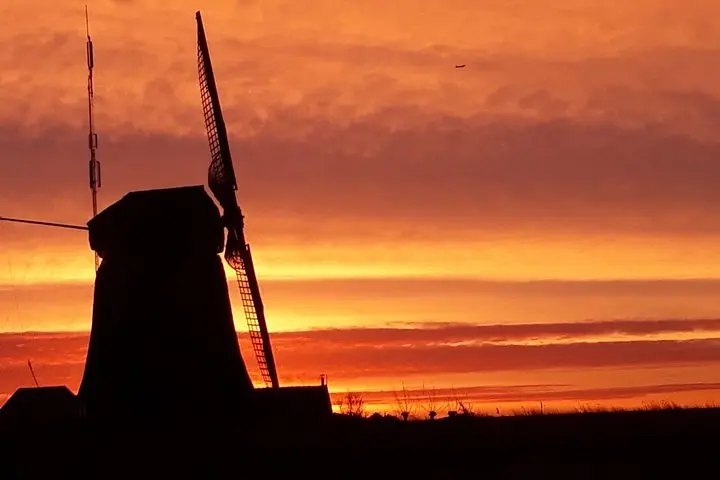
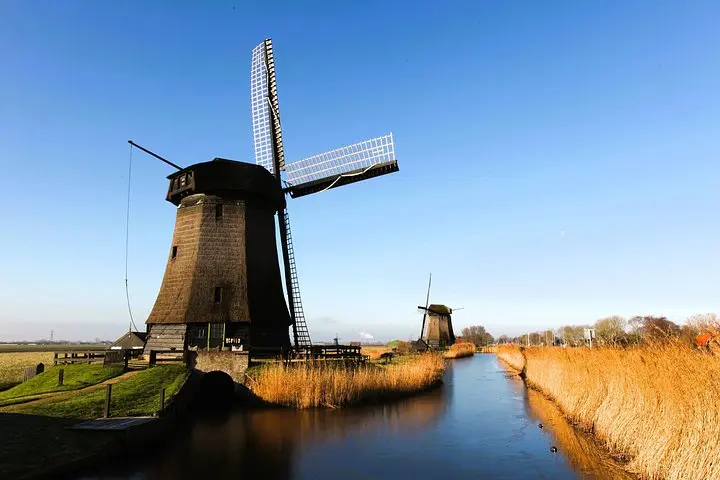
Morning fog sits low over ribbon canals as the van pulls out of Amsterdam, and the first windmills appear like slow-moving machines rewriting the horizon. You pass reclaimed polders — flat green plates divided by straight canals — and the driver points to a row of wooden sails turning in the wind: practical, stubborn, alive.
Verified experiences and guided adventures in the surrounding area.
Operated by Windmillgirl Tours · Amsterdam, North Holland
Morning fog sits low over ribbon canals as the van pulls out of Amsterdam, and the first windmills appear like slow-moving machines rewriting the horizon. You pass reclaimed polders — flat green plates divided by straight canals — and the driver points to a row of wooden sails turning in the wind: practical, stubborn, alive.
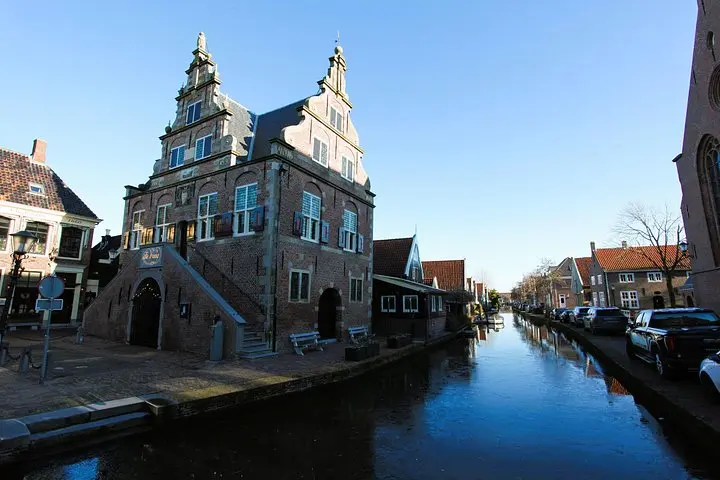
This private six-hour loop explores the Schermer and Beemster polders, the fishing-village bones of De Rijp, a cheese farm in Katwoude, the compact streets of Edam and the water-ringed charm of Broek in Waterland. The Beemster is a UNESCO World Heritage site because 17th‑century engineers drained a lake and imposed a geometric order of roads, farms and canals. Windmills here aren’t just icons; they were essential engines of Dutch land management and local industry.
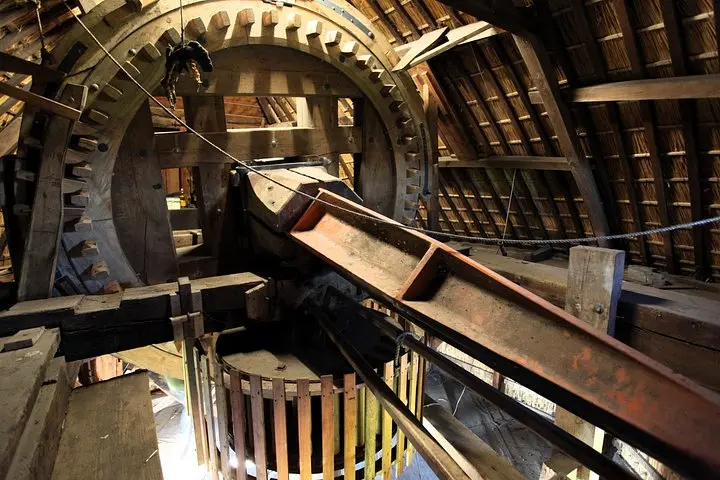
Expect short walks—cobblestones, low bridges and narrow village lanes—plus interior visits at a museum mill and a cheese tasting at a working farm where you can watch clog making. Cultural notes: Edam’s warehouses and De Rijp’s merchant houses tell of a transition from seafaring to agriculture after land reclamation reshaped livelihoods.
Practical guidance: wear comfortable shoes for uneven village streets, bring a windproof layer, and plan for variable light on open polder roads. Photography windows are frequent but brief—carry a charged battery. Because this is a private tour, ask about lunch preferences in advance; hosts can arrange local fish or pancake stops. The day balances quiet rural pacing with well-timed stops that let the landscape and local craft speak for themselves.
Pickup and drop-off are provided from your Amsterdam hotel or a central meeting point—confirm the address when booking.
Many sites are reachable by vehicle and the tour is listed as wheelchair accessible, but some village streets and mill interiors have steps—ask the operator about specific mobility needs.
Yes—cheese tastings often include purchase options and there’s usually a clog demonstration where you can buy a pair.
Most private guides speak English and Dutch; confirm any other language requirements when you book.
Windmillgirl Tours operates guided outdoor trips and adventures with an emphasis on safety, stewardship, and memorable experiences.
Morning fog sits low over ribbon canals as the van pulls out of Amsterdam, and the first windmills appear like slow-moving machines rewriting the horizon. You pass reclaimed polders — flat green plates divided by straight canals — and the driver points to a row of wooden sails turning in the wind: practical, stubborn, alive.
Morning fog sits low over ribbon canals as the van pulls out of Amsterdam, and the first windmills appear like slow-moving machines rewriting the horizon. You pass reclaimed polders — flat green plates divided by straight canals — and the driver points to a row of wooden sails turning in the wind: practical, stubborn, alive.
This private six-hour loop explores the Schermer and Beemster polders, the fishing-village bones of De Rijp, a cheese farm in Katwoude, the compact streets of Edam and the water-ringed charm of Broek in Waterland. The Beemster is a UNESCO World Heritage site because 17th‑century engineers drained a lake and imposed a geometric order of roads, farms and canals. Windmills here aren’t just icons; they were essential engines of Dutch land management and local industry.
Expect short walks—cobblestones, low bridges and narrow village lanes—plus interior visits at a museum mill and a cheese tasting at a working farm where you can watch clog making. Cultural notes: Edam’s warehouses and De Rijp’s merchant houses tell of a transition from seafaring to agriculture after land reclamation reshaped livelihoods.
Practical guidance: wear comfortable shoes for uneven village streets, bring a windproof layer, and plan for variable light on open polder roads. Photography windows are frequent but brief—carry a charged battery. Because this is a private tour, ask about lunch preferences in advance; hosts can arrange local fish or pancake stops. The day balances quiet rural pacing with well-timed stops that let the landscape and local craft speak for themselves.