THE ADVENTURE COLLECTIVE® · Independent discovery and booking for outdoor travel

Explore the hand-dug Cu Chi Tunnels on a private tour from Ho Chi Minh City. Crawl short sections of the wartime network, learn local survival strategies, and sample traditional snacks in the countryside along the way.
Explore the hand-dug Cu Chi Tunnels on a private tour from Ho Chi Minh City. Crawl short sections of the wartime network, learn local survival strategies, and sample traditional snacks in the countryside along the way.
You step out of the air-conditioned car into roadside heat and the low hum of rubber plantations; the jungle seems to lean in, as if watching you approach a buried secret. Small wooden signs and concrete bunkers mark the edge of the Cu Chi site, where sun and soil keep the memory of wartime life close to the surface.
Verified experiences and guided adventures in the surrounding area.
Operated by Vietnam Travel Tour · Ho Chi Minh City, Ho Chi Minh
You step out of the air-conditioned car into roadside heat and the low hum of rubber plantations; the jungle seems to lean in, as if watching you approach a buried secret. Small wooden signs and concrete bunkers mark the edge of the Cu Chi site, where sun and soil keep the memory of wartime life close to the surface.
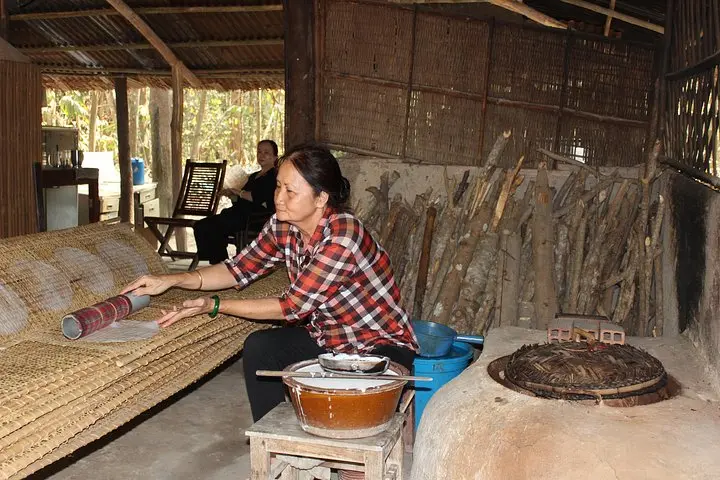
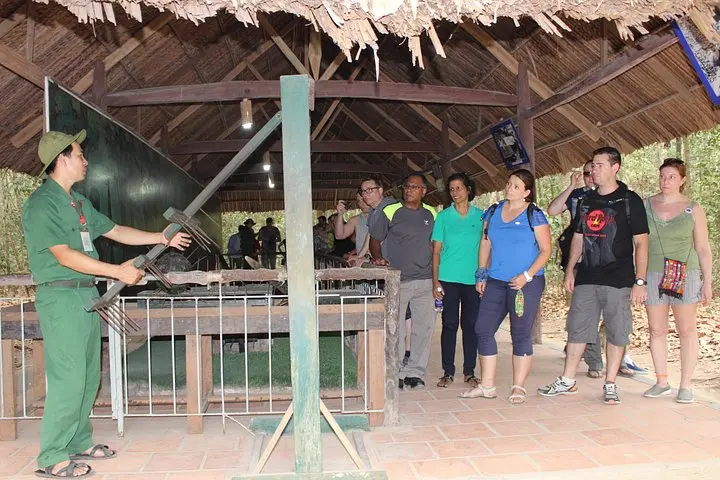
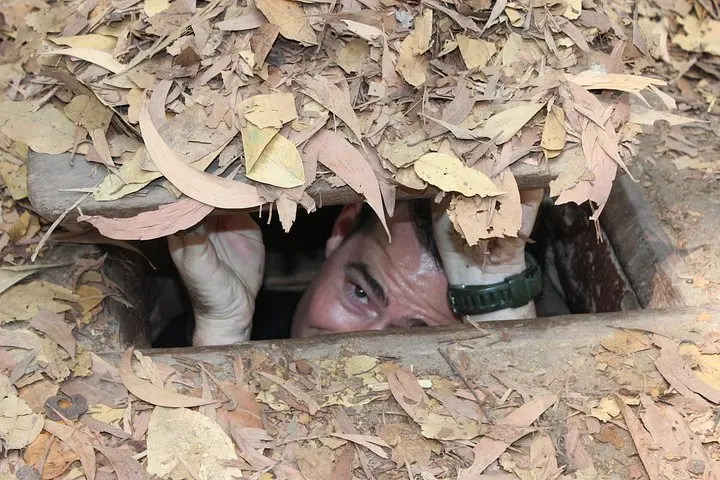
The tunnels themselves are a feat of improvised engineering: hand-dug galleries, trapdoors and hidden kitchens carved into lateritic clay. Built and expanded by local guerrillas during the mid-20th century, the networks are a practical answer to supply, shelter and survival. The surrounding landscape — low ridges, rubber groves and seasonal wetlands — shaped tunnel placement and camouflage. Guides explain the cultural routines that sustained underground life: food staples like boiled tapioca, smoke-free kitchens, and the signals that kept people moving when danger came.
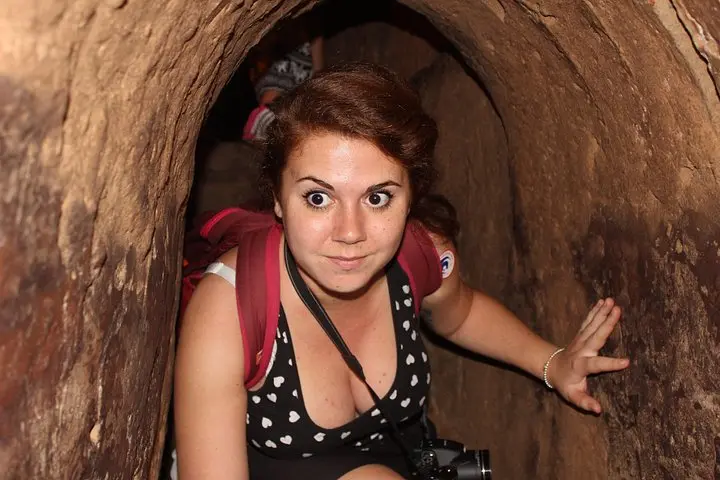
On a private tour you’ll crawl short sections retrofitted for visitors, view restored rooms, and watch documentary footage that places the structures in historical context. Expect tight spaces, stooping passages and realistic reconstructions rather than pristine museum halls. The tour’s countryside drive often includes glimpses of rural markets and roadside fruit stalls that speak to daily life beyond the exhibits.
Practical notes: the visit runs five to six hours including transport from central Ho Chi Minh City; wear durable, closed-toe shoes, bring water and be ready for brief periods of humidity and low light. If you’re prone to claustrophobia or limited mobility, discuss options with the guide — a private tour allows a more flexible pace and nearby viewing alternatives.
Only short, guided sections are open for visitors; you can opt to watch from the entrance if you prefer not to crawl.
Yes—private tours generally include air-conditioned pickup and drop-off in central Ho Chi Minh City.
Basic restrooms and a small refreshment area exist on site; the tour often includes a light snack of tapioca and tea.
Children can visit but crawling sections may be too tight for very young kids; strollers are noted as usable for infants outside tunnel areas.
Vietnam Travel Tour operates guided outdoor trips and adventures with an emphasis on safety, stewardship, and memorable experiences.
You step out of the air-conditioned car into roadside heat and the low hum of rubber plantations; the jungle seems to lean in, as if watching you approach a buried secret. Small wooden signs and concrete bunkers mark the edge of the Cu Chi site, where sun and soil keep the memory of wartime life close to the surface.
You step out of the air-conditioned car into roadside heat and the low hum of rubber plantations; the jungle seems to lean in, as if watching you approach a buried secret. Small wooden signs and concrete bunkers mark the edge of the Cu Chi site, where sun and soil keep the memory of wartime life close to the surface.
The tunnels themselves are a feat of improvised engineering: hand-dug galleries, trapdoors and hidden kitchens carved into lateritic clay. Built and expanded by local guerrillas during the mid-20th century, the networks are a practical answer to supply, shelter and survival. The surrounding landscape — low ridges, rubber groves and seasonal wetlands — shaped tunnel placement and camouflage. Guides explain the cultural routines that sustained underground life: food staples like boiled tapioca, smoke-free kitchens, and the signals that kept people moving when danger came.
On a private tour you’ll crawl short sections retrofitted for visitors, view restored rooms, and watch documentary footage that places the structures in historical context. Expect tight spaces, stooping passages and realistic reconstructions rather than pristine museum halls. The tour’s countryside drive often includes glimpses of rural markets and roadside fruit stalls that speak to daily life beyond the exhibits.
Practical notes: the visit runs five to six hours including transport from central Ho Chi Minh City; wear durable, closed-toe shoes, bring water and be ready for brief periods of humidity and low light. If you’re prone to claustrophobia or limited mobility, discuss options with the guide — a private tour allows a more flexible pace and nearby viewing alternatives.