THE ADVENTURE COLLECTIVE® · Independent discovery and booking for outdoor travel

Explore the Cu Chi Tunnels on a private half-day tour from Ho Chi Minh City. Crawl through wartime galleries, learn tunnel engineering, and visit a shooting range—comfortably, with a private guide and door-to-door transport.
Explore the Cu Chi Tunnels on a private half-day tour from Ho Chi Minh City. Crawl through wartime galleries, learn tunnel engineering, and visit a shooting range—comfortably, with a private guide and door-to-door transport.
A heat-hazed highway drops you into a patchwork of rubber plantations and quiet canals; by mid-morning the pavement yields to dirt roads and the air smells of warm earth. At the Cu Chi site a low, black entrance waits—an ordinary hole that once swallowed entire battalions and forged survival strategies out of bamboo, soil and sweat.
Verified experiences and guided adventures in the surrounding area.
Operated by Authentic Travel in Vietnam · Cu Chi, Ho Chi Minh City
A heat-hazed highway drops you into a patchwork of rubber plantations and quiet canals; by mid-morning the pavement yields to dirt roads and the air smells of warm earth. At the Cu Chi site a low, black entrance waits—an ordinary hole that once swallowed entire battalions and forged survival strategies out of bamboo, soil and sweat.
The Cu Chi Tunnels are part living museum, part archaeological puzzle. Over 220 km of interconnected galleries were hand-dug by villagers and fighters during the Vietnam War to house command posts, kitchens, weapon caches and field hospitals. The tunnels’ architecture—narrow shafts, hidden trapdoors, ventilated chambers—reflects improvisation and intimate knowledge of local soils, primarily compacted alluvium and laterite that holds shape when packed.
Beyond wartime engineering, the surrounding countryside shows rural life: rubber groves, small craft stalls, and dishes like grilled cassava that sustain local communities. Guides explain tactical uses of the network and point out features like camouflaged cooking vents and booby-trap designs.
For travelers this half-day private tour delivers history with practical comfort: air-conditioned return transport, English guide, entrance fees and bottled water are included. Expect tight, low-ceiling sections if you choose to crawl, and a separate shooting range opportunity for those interested. Wear closed-toe shoes, bring sun protection and a refillable water bottle, and plan morning departures to avoid the hottest hours. The route is manageable for most fitness levels but not suitable for pregnant visitors or anyone with serious spinal or heart conditions.
The private tour runs about six hours and includes pickup and drop-off from central Ho Chi Minh City hotels using an air-conditioned vehicle.
Tunnels are narrow and some sections require crawling or stooping; the tour is not recommended for pregnant travelers or those with severe claustrophobia or spinal/heart conditions.
The shooting range is typically a separate optional activity and may incur additional fees; staff will brief you on safety and local regulations.
Private operators visit either Ben Dinh or Ben Duoc; both offer tunnel displays, but Ben Duoc has a larger memorial area—confirm with your operator at booking.
Authentic Travel in Vietnam operates guided outdoor trips and adventures with an emphasis on safety, stewardship, and memorable experiences.
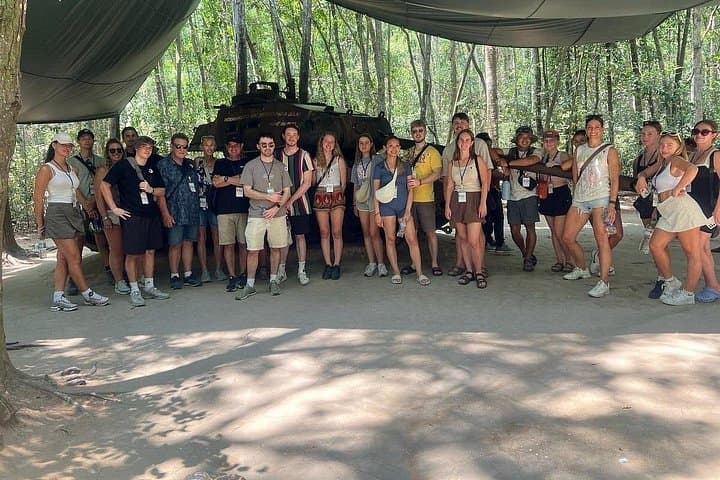


A heat-hazed highway drops you into a patchwork of rubber plantations and quiet canals; by mid-morning the pavement yields to dirt roads and the air smells of warm earth. At the Cu Chi site a low, black entrance waits—an ordinary hole that once swallowed entire battalions and forged survival strategies out of bamboo, soil and sweat.
A heat-hazed highway drops you into a patchwork of rubber plantations and quiet canals; by mid-morning the pavement yields to dirt roads and the air smells of warm earth. At the Cu Chi site a low, black entrance waits—an ordinary hole that once swallowed entire battalions and forged survival strategies out of bamboo, soil and sweat.
The Cu Chi Tunnels are part living museum, part archaeological puzzle. Over 220 km of interconnected galleries were hand-dug by villagers and fighters during the Vietnam War to house command posts, kitchens, weapon caches and field hospitals. The tunnels’ architecture—narrow shafts, hidden trapdoors, ventilated chambers—reflects improvisation and intimate knowledge of local soils, primarily compacted alluvium and laterite that holds shape when packed.
Beyond wartime engineering, the surrounding countryside shows rural life: rubber groves, small craft stalls, and dishes like grilled cassava that sustain local communities. Guides explain tactical uses of the network and point out features like camouflaged cooking vents and booby-trap designs.
For travelers this half-day private tour delivers history with practical comfort: air-conditioned return transport, English guide, entrance fees and bottled water are included. Expect tight, low-ceiling sections if you choose to crawl, and a separate shooting range opportunity for those interested. Wear closed-toe shoes, bring sun protection and a refillable water bottle, and plan morning departures to avoid the hottest hours. The route is manageable for most fitness levels but not suitable for pregnant visitors or anyone with serious spinal or heart conditions.