THE ADVENTURE COLLECTIVE® · Independent discovery and booking for outdoor travel

Explore Cusco’s layered past on a private 5–6 hour tour that connects the Plaza de Armas, Qorikancha, Sacsayhuaman and smaller Inca sites with local insights and hotel pickup. Designed for travelers with moderate fitness, this tour pairs transport and a licensed guide—just bring acclimatization time and site fees.
Explore Cusco’s layered past on a private 5–6 hour tour that connects the Plaza de Armas, Qorikancha, Sacsayhuaman and smaller Inca sites with local insights and hotel pickup. Designed for travelers with moderate fitness, this tour pairs transport and a licensed guide—just bring acclimatization time and site fees.
You step out into a high, dry light: cobbled streets radiate from a busy plaza where vendors call out for chicha and alpaca weavings. The air has a thinness that makes each breath deliberate and each step meaningful. A local guide, voice steady against the hum of traffic, leads the way toward stone that predates the Spanish presence—monoliths fitted so tightly that a blade won't pass between them.
Verified experiences and guided adventures in the surrounding area.
Operated by Inkanto Travel · Cusco, Cusco
You step out into a high, dry light: cobbled streets radiate from a busy plaza where vendors call out for chicha and alpaca weavings. The air has a thinness that makes each breath deliberate and each step meaningful. A local guide, voice steady against the hum of traffic, leads the way toward stone that predates the Spanish presence—monoliths fitted so tightly that a blade won't pass between them.
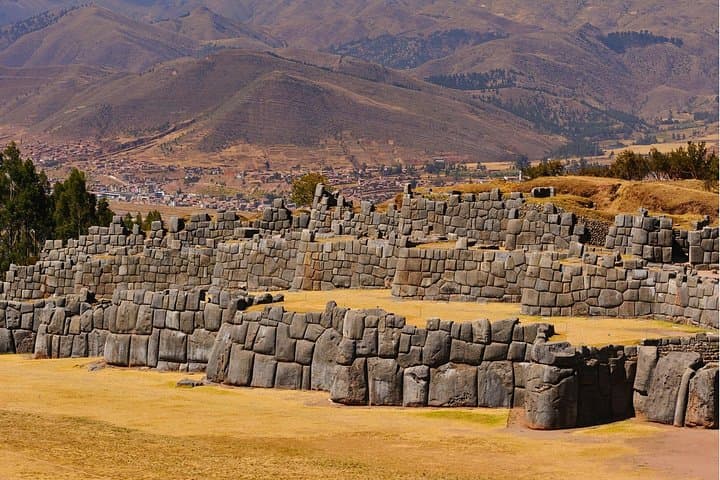
This private Cusco city tour threads Inca foundations and Spanish overlays into a single afternoon. Begin at the 16th‑century Cathedral whose carved altars store paintings from the Cusco School; move to Qorikancha, where the Sun Temple’s foundations reveal Inca cosmovision beneath a colonial convent. North of the city, Sacsayhuaman’s zigzagged ramparts—massive, irregular blocks set like a puzzle—offer wind‑scoured views and hints of ritual and defense. Small sites along the route—Qenqo, Tambomachay, Puca Pucara—show practical Inca hydraulics, carved amphitheaters, and military waystations.
Geology and engineering meet cultural resilience here: uplifted Andean bedrock supplied the blocks and Quechua traditions persist in market stalls and ritual offerings. Practicalities matter—this is a 5–6 hour loop at 3,400–3,700 m elevation with uneven stone, stairs, and short walks between sites. The tour includes local transport and a professional guide but not site admissions, so carry cash, layers, sunscreen, and a small daypack. Pace yourself for the altitude, drink water before you climb, and let the guide explain stones that have survived earthquakes by design. The result is a compact, interpretive introduction to Cusco’s living history—best enjoyed slowly and with respect for the fragile ruins.
Admissions are typically not included; bring local currency to pay entrance fees or confirm with your operator before departure.
Yes; the tour includes pick‑up and drop‑off within central Cusco—your booking will request a pickup point and time.
Stroller access is noted for infants in prams within the city, but many ruin sites have uneven stone and steps; a carrier is more practical for sites like Sacsayhuaman.
Talk with your guide about pacing and safe signs; rest, hydration, and avoiding alcohol the night before help—seek medical attention if symptoms worsen.
Inkanto Travel operates guided outdoor trips and adventures with an emphasis on safety, stewardship, and memorable experiences.



You step out into a high, dry light: cobbled streets radiate from a busy plaza where vendors call out for chicha and alpaca weavings. The air has a thinness that makes each breath deliberate and each step meaningful. A local guide, voice steady against the hum of traffic, leads the way toward stone that predates the Spanish presence—monoliths fitted so tightly that a blade won't pass between them.
You step out into a high, dry light: cobbled streets radiate from a busy plaza where vendors call out for chicha and alpaca weavings. The air has a thinness that makes each breath deliberate and each step meaningful. A local guide, voice steady against the hum of traffic, leads the way toward stone that predates the Spanish presence—monoliths fitted so tightly that a blade won't pass between them.
This private Cusco city tour threads Inca foundations and Spanish overlays into a single afternoon. Begin at the 16th‑century Cathedral whose carved altars store paintings from the Cusco School; move to Qorikancha, where the Sun Temple’s foundations reveal Inca cosmovision beneath a colonial convent. North of the city, Sacsayhuaman’s zigzagged ramparts—massive, irregular blocks set like a puzzle—offer wind‑scoured views and hints of ritual and defense. Small sites along the route—Qenqo, Tambomachay, Puca Pucara—show practical Inca hydraulics, carved amphitheaters, and military waystations.
Geology and engineering meet cultural resilience here: uplifted Andean bedrock supplied the blocks and Quechua traditions persist in market stalls and ritual offerings. Practicalities matter—this is a 5–6 hour loop at 3,400–3,700 m elevation with uneven stone, stairs, and short walks between sites. The tour includes local transport and a professional guide but not site admissions, so carry cash, layers, sunscreen, and a small daypack. Pace yourself for the altitude, drink water before you climb, and let the guide explain stones that have survived earthquakes by design. The result is a compact, interpretive introduction to Cusco’s living history—best enjoyed slowly and with respect for the fragile ruins.