THE ADVENTURE COLLECTIVE® · Independent discovery and booking for outdoor travel

A private, customizable three-day itinerary from Cusco that pairs train travel and two nights in Aguas Calientes with guided access to Machu Picchu. Ideal for travelers who want focused exploration, cultural context, and practical logistics handled for them.
A private, customizable three-day itinerary from Cusco that pairs train travel and two nights in Aguas Calientes with guided access to Machu Picchu. Ideal for travelers who want focused exploration, cultural context, and practical logistics handled for them.
You wake in Cusco before dawn, the city’s highstone streets still cooling from the night. By midmorning a private vehicle threads down the Sacred Valley, terraces sliding past like stacked steps, and the train to Aguas Calientes carries you deeper where the Urubamba River dares you toward the steep green ribs of the Andes.
Verified experiences and guided adventures in the surrounding area.
Operated by Viajes Amantra · Aguas Calientes, Cusco
You wake in Cusco before dawn, the city’s highstone streets still cooling from the night. By midmorning a private vehicle threads down the Sacred Valley, terraces sliding past like stacked steps, and the train to Aguas Calientes carries you deeper where the Urubamba River dares you toward the steep green ribs of the Andes.
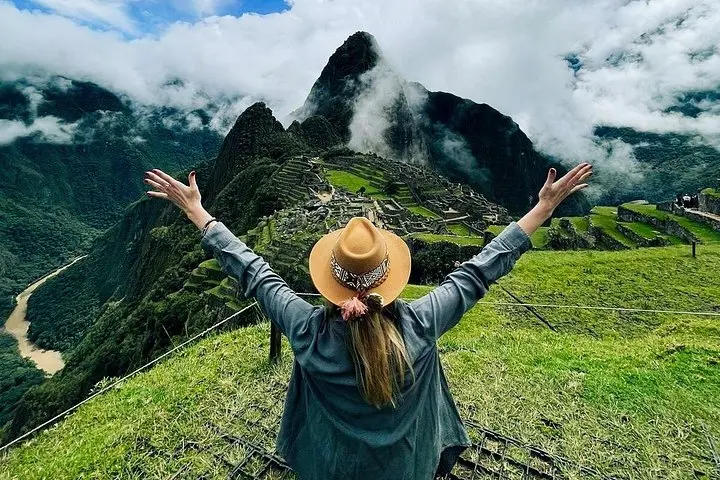
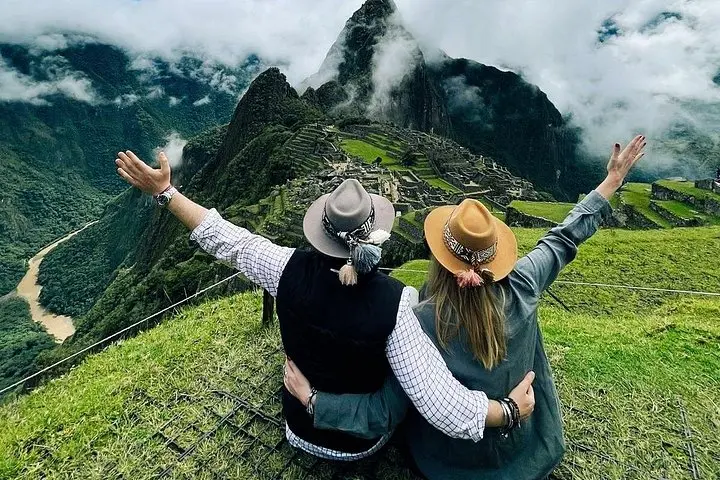
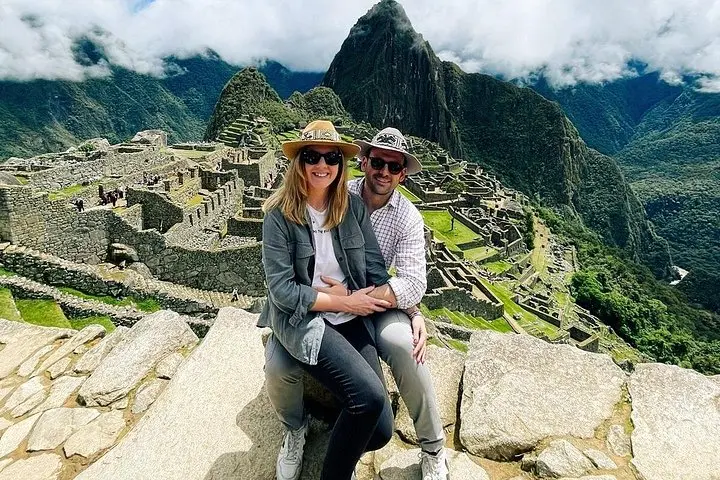
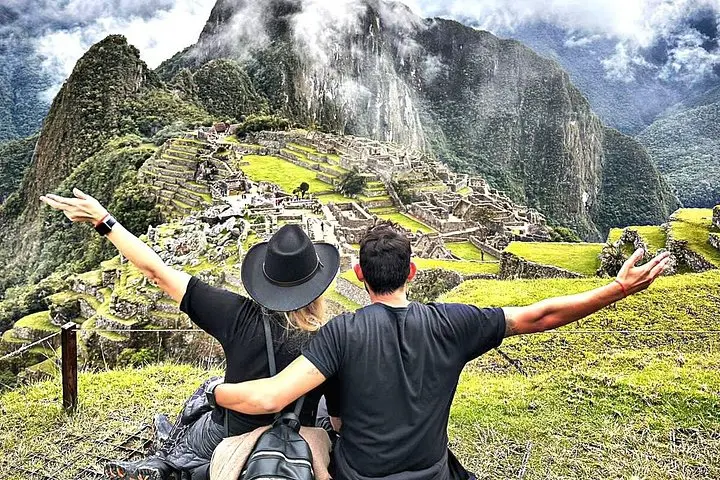
Machu Picchu sits on a shoulder of Andean rock at about 2,430 m, an Inca citadel raised in the 15th century and cut from local granite. The site reveals Inca engineering—terraces that stabilize slopes, water channels that run with purposeful modesty—and the surrounding cloud forest adds a wet, breathy edge that frames stone plazas and sunlit ramps. Local Quechua culture remains visible in market stalls and small villages; many guides draw on oral histories passed down for generations.
Practical guidance: allow time to acclimatize in Cusco (3,400 m) before heavy exertion; the included round-trip train (Ollantaytambo–Aguas Calientes) and buses to the citadel make logistics easy, but entry slots to Machu Picchu and limited climb permits (e.g., Huayna Picchu) sell out—book early. Expect 2–4 hours of on-site walking with uneven stone steps and short steep climbs; sturdy footwear, rain protection, layered clothing, and plenty of water are essential. Evenings in Aguas Calientes are brief and damp—use them to rest and reserve your morning for the best light and fewer people. This private, customizable itinerary pairs cultural context with straightforward logistics for a focused, three-day exploration of one of South America’s most compelling archaeological landscapes.
The scenic train ride typically takes about 1.5–2 hours depending on service and route, with shorter or longer options from Poroy or Ollantaytambo.
Yes—Cusco is around 3,400 m; plan a calm first day, hydrate, avoid alcohol, and consider prophylactic medication or coca tea if you are susceptible.
This itinerary includes the Machu Picchu entrance ticket, but additional permits for Huayna Picchu or Machu Picchu Mountain are separate and should be booked in advance.
Yes—the private tour is customizable at booking, allowing adjustments to pickup points, train schedules, and optional guided hikes within availability constraints.
Viajes Amantra operates guided outdoor trips and adventures with an emphasis on safety, stewardship, and memorable experiences.
You wake in Cusco before dawn, the city’s highstone streets still cooling from the night. By midmorning a private vehicle threads down the Sacred Valley, terraces sliding past like stacked steps, and the train to Aguas Calientes carries you deeper where the Urubamba River dares you toward the steep green ribs of the Andes.
You wake in Cusco before dawn, the city’s highstone streets still cooling from the night. By midmorning a private vehicle threads down the Sacred Valley, terraces sliding past like stacked steps, and the train to Aguas Calientes carries you deeper where the Urubamba River dares you toward the steep green ribs of the Andes.
Machu Picchu sits on a shoulder of Andean rock at about 2,430 m, an Inca citadel raised in the 15th century and cut from local granite. The site reveals Inca engineering—terraces that stabilize slopes, water channels that run with purposeful modesty—and the surrounding cloud forest adds a wet, breathy edge that frames stone plazas and sunlit ramps. Local Quechua culture remains visible in market stalls and small villages; many guides draw on oral histories passed down for generations.
Practical guidance: allow time to acclimatize in Cusco (3,400 m) before heavy exertion; the included round-trip train (Ollantaytambo–Aguas Calientes) and buses to the citadel make logistics easy, but entry slots to Machu Picchu and limited climb permits (e.g., Huayna Picchu) sell out—book early. Expect 2–4 hours of on-site walking with uneven stone steps and short steep climbs; sturdy footwear, rain protection, layered clothing, and plenty of water are essential. Evenings in Aguas Calientes are brief and damp—use them to rest and reserve your morning for the best light and fewer people. This private, customizable itinerary pairs cultural context with straightforward logistics for a focused, three-day exploration of one of South America’s most compelling archaeological landscapes.