THE ADVENTURE COLLECTIVE® · Independent discovery and booking for outdoor travel

Tailor a private eight-hour exploration of Tsuruga’s coastal culture and historic port. Choose sites—from shrines to red-brick warehouses—and let a local guide handle reservations and logistics.
Tailor a private eight-hour exploration of Tsuruga’s coastal culture and historic port. Choose sites—from shrines to red-brick warehouses—and let a local guide handle reservations and logistics.
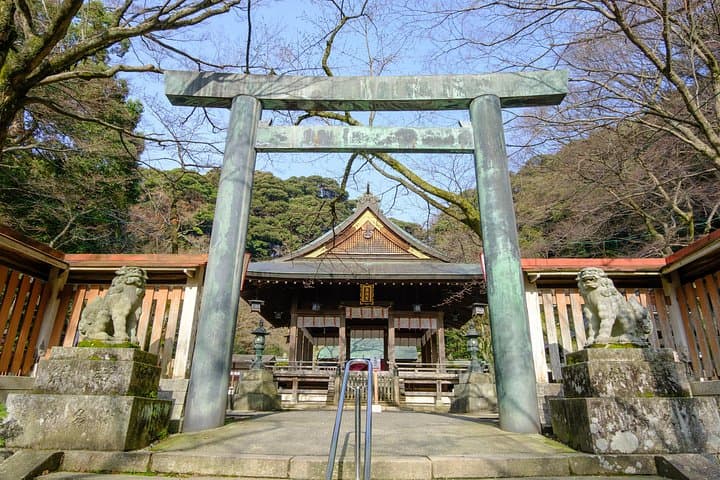
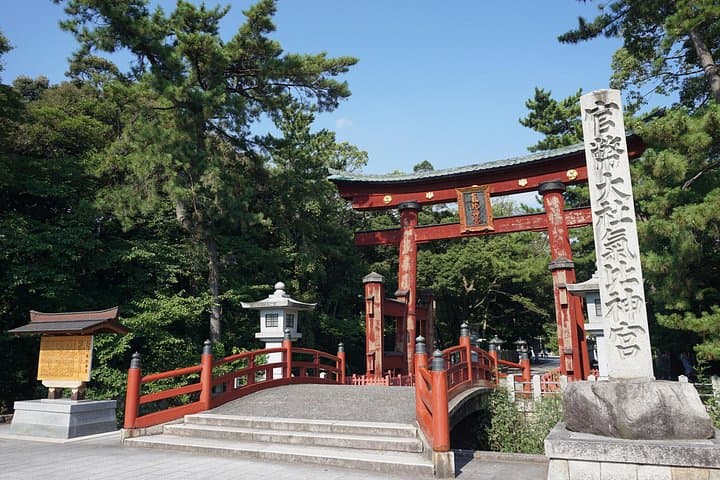
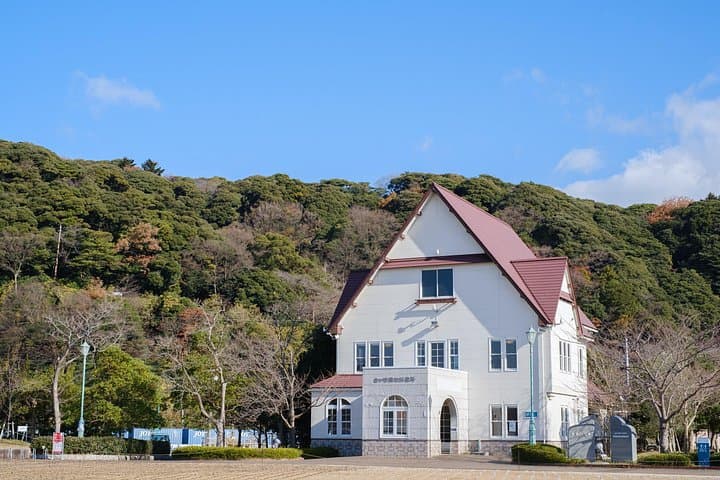
The morning light on Wakasa Bay cuts a silver path across the water as a private car slips into Tsuruga’s harborfront, the city’s red-brick warehouses watching like old guards. This full-day customizable tour moves at the guest’s pace—one minute you're tracing maritime plaques at the port museum, the next you're following a quiet shrine stairway where gulls wheel and the sea seems to nudge the shoreline forward.
Verified experiences and guided adventures in the surrounding area.
Operated by Japan Awaits · Tsuruga, Fukui
The morning light on Wakasa Bay cuts a silver path across the water as a private car slips into Tsuruga’s harborfront, the city’s red-brick warehouses watching like old guards. This full-day customizable tour moves at the guest’s pace—one minute you're tracing maritime plaques at the port museum, the next you're following a quiet shrine stairway where gulls wheel and the sea seems to nudge the shoreline forward.
Tsuruga’s port has long been a gateway: a focal point for coastal trade in the Edo and Meiji periods and later a reception point for international immigrants and wartime refugees. Geologically, the coast here is defined by low cliffs and sandy pine-backed beaches; inland, low rolling hills carry acidic soils that support the region’s pines and rice terraces. Local culture blends seafood-centric cuisine, Shinto festivals tied to maritime safety, and a civic memory shaped by cross-border connections.
For travelers, the benefit of a private, customizable itinerary is practical: choose four to five sites—temples, the Red Brick Warehouse, the Port Museum, coastal overlooks—and let a local guide handle bookings and timing. Expect light walking, short transfers inside the city, and plenty of photo stops.
Plan to start early to avoid afternoon humidity in summer and to secure reservations for specialty restaurants. Bring layered clothing for coastal breezes, cash for small vendors, and comfortable shoes for mixed pavement and temple steps. With a guide handling logistics, the day becomes a concentrated, local-first introduction to Tsuruga’s maritime heart.
Yes—this private tour is family-friendly and notes indicate stroller and wheelchair accessibility for most stops; confirm specific site access on the custom form.
Hotel pickup and drop-off are included if the hotel is within the city center; otherwise meet-up instructions will be provided.
For tailored reservations, book as early as three months ahead; at minimum one month is recommended—less than 7 days may limit options.
Guides provide a phone number; they will wait up to 30 minutes from the start time before the tour is canceled, so contact your guide if you're delayed.
Japan Awaits operates guided outdoor trips and adventures with an emphasis on safety, stewardship, and memorable experiences.
The morning light on Wakasa Bay cuts a silver path across the water as a private car slips into Tsuruga’s harborfront, the city’s red-brick warehouses watching like old guards. This full-day customizable tour moves at the guest’s pace—one minute you're tracing maritime plaques at the port museum, the next you're following a quiet shrine stairway where gulls wheel and the sea seems to nudge the shoreline forward.
The morning light on Wakasa Bay cuts a silver path across the water as a private car slips into Tsuruga’s harborfront, the city’s red-brick warehouses watching like old guards. This full-day customizable tour moves at the guest’s pace—one minute you're tracing maritime plaques at the port museum, the next you're following a quiet shrine stairway where gulls wheel and the sea seems to nudge the shoreline forward.
Tsuruga’s port has long been a gateway: a focal point for coastal trade in the Edo and Meiji periods and later a reception point for international immigrants and wartime refugees. Geologically, the coast here is defined by low cliffs and sandy pine-backed beaches; inland, low rolling hills carry acidic soils that support the region’s pines and rice terraces. Local culture blends seafood-centric cuisine, Shinto festivals tied to maritime safety, and a civic memory shaped by cross-border connections.
For travelers, the benefit of a private, customizable itinerary is practical: choose four to five sites—temples, the Red Brick Warehouse, the Port Museum, coastal overlooks—and let a local guide handle bookings and timing. Expect light walking, short transfers inside the city, and plenty of photo stops.
Plan to start early to avoid afternoon humidity in summer and to secure reservations for specialty restaurants. Bring layered clothing for coastal breezes, cash for small vendors, and comfortable shoes for mixed pavement and temple steps. With a guide handling logistics, the day becomes a concentrated, local-first introduction to Tsuruga’s maritime heart.