THE ADVENTURE COLLECTIVE® · Independent discovery and booking for outdoor travel

Escape the crowds on a private, customizable day tour to Elafonisi—famed for its shallow turquoise lagoon and pink sand. Combine beach time with off‑the‑beaten‑path stops like clay hills, whale‑quiet monasteries, and village tavernas.
Escape the crowds on a private, customizable day tour to Elafonisi—famed for its shallow turquoise lagoon and pink sand. Combine beach time with off‑the‑beaten‑path stops like clay hills, whale‑quiet monasteries, and village tavernas.
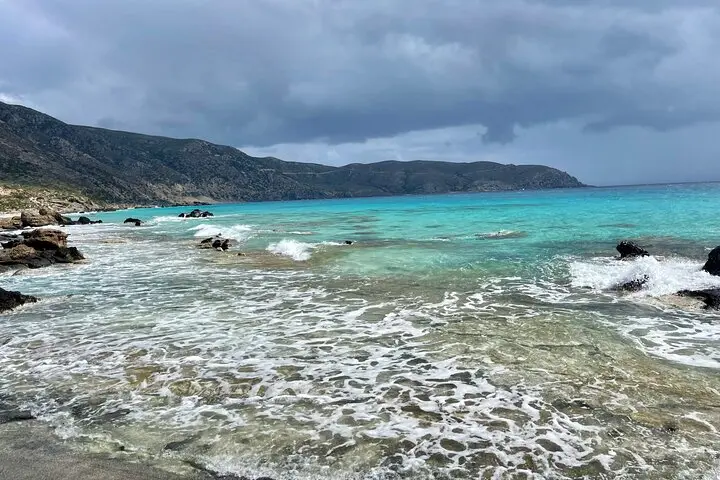
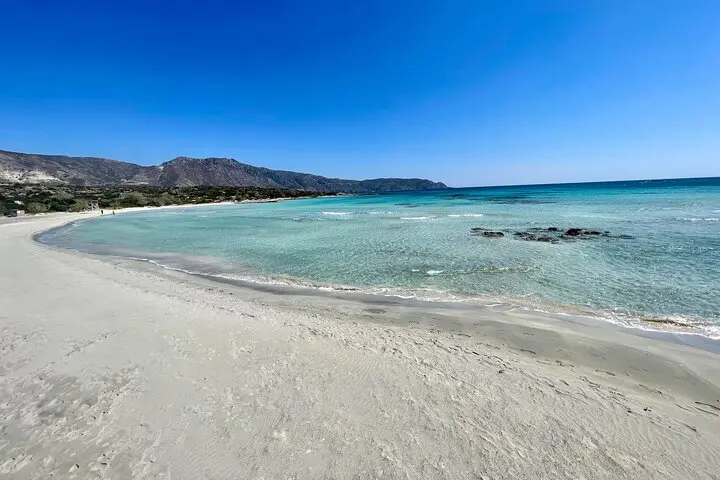
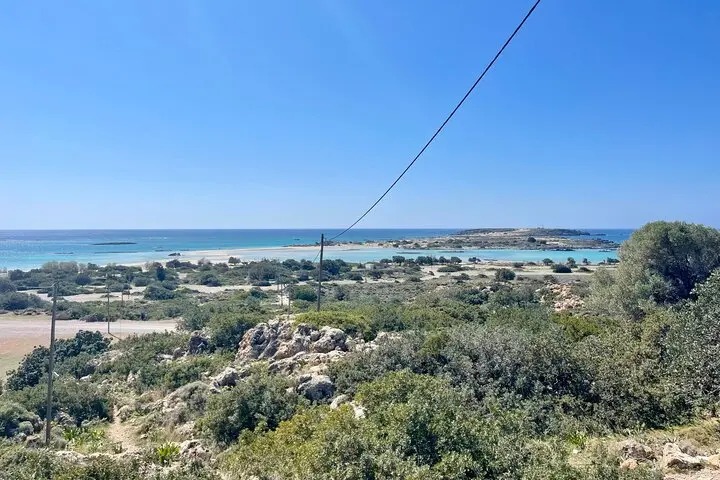
You step out of the air‑conditioned van and the shore pulls you forward: a shallow turquoise lagoon spreads to the horizon, and sand so pale it seems lit from within blushes where crushed shells catch the light. Wind pushes low dunes into patterns; sea and sky argue gently over the line where they meet. Elafonisi’s islet dares you to cross the sandbar and walk between two seas.
Verified experiences and guided adventures in the surrounding area.
Operated by Crete Wanderer · Elafonisi, Crete
You step out of the air‑conditioned van and the shore pulls you forward: a shallow turquoise lagoon spreads to the horizon, and sand so pale it seems lit from within blushes where crushed shells catch the light. Wind pushes low dunes into patterns; sea and sky argue gently over the line where they meet. Elafonisi’s islet dares you to cross the sandbar and walk between two seas.
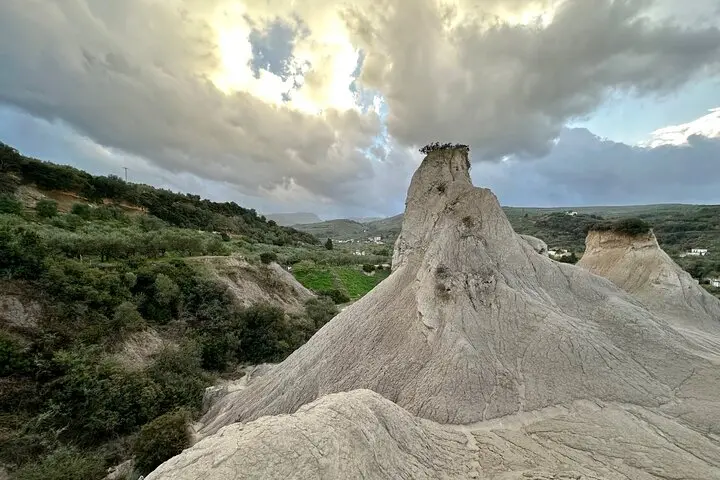
This stretch of Crete’s southwest coast has long been shaped by geology and human hands — sea currents deposit shell fragments that give the sand its pink tone, while millennia of erosion carved the nearby clay mounds and the Topolia Gorge. Byzantine and Venetian eras left a patchwork of monasteries and chapels on coastal promontories; Chrysoskalitissa monastery, clinging to a cliff nearby, connects the landscape to local legend and Orthodox practice.
Culture here is elemental: shepherding, olive groves, beekeeping and village tavernas where raki is poured with a laugh. The entire bay sits inside a protected reserve, so the emphasis is on low‑impact visits and respecting nesting birds and dune flora.
Practically, expect a full day (6–9 hours) when you depart from Chania or Kissamos: driving through mountain passes and quiet villages, with optional stops at a honey museum, Komolithi clay hills, or the secluded cedared coves of Kedrodasos. Bring sun protection and a reusable water bottle, time your visit for morning or late afternoon to avoid the busiest hours, and plan which optional stops you want ahead of time — a private tour gives you the flexibility, but not unlimited hours. The sand is soft; walking to the islet is easy but exposed, so layer light clothing and keep cameras charged for those wide, raw seascapes.
Yes — the pale pink hue comes from tiny crushed shells and coral fragments mixed with the sand; it changes intensity with light and tide.
Expect roughly 1.5–2 hours each way from Chania depending on traffic and chosen stops; Kissamos is closer (about 1–1.25 hours).
Basic facilities and seasonal kiosks exist near the main beach, but many areas are undeveloped; bring water and sunscreen and plan for limited shade.
Yes — the private vehicle, flexible itinerary, and mostly easy walking make it suitable for families; child seats are available on request.
Crete Wanderer operates guided outdoor trips and adventures with an emphasis on safety, stewardship, and memorable experiences.
You step out of the air‑conditioned van and the shore pulls you forward: a shallow turquoise lagoon spreads to the horizon, and sand so pale it seems lit from within blushes where crushed shells catch the light. Wind pushes low dunes into patterns; sea and sky argue gently over the line where they meet. Elafonisi’s islet dares you to cross the sandbar and walk between two seas.
You step out of the air‑conditioned van and the shore pulls you forward: a shallow turquoise lagoon spreads to the horizon, and sand so pale it seems lit from within blushes where crushed shells catch the light. Wind pushes low dunes into patterns; sea and sky argue gently over the line where they meet. Elafonisi’s islet dares you to cross the sandbar and walk between two seas.
This stretch of Crete’s southwest coast has long been shaped by geology and human hands — sea currents deposit shell fragments that give the sand its pink tone, while millennia of erosion carved the nearby clay mounds and the Topolia Gorge. Byzantine and Venetian eras left a patchwork of monasteries and chapels on coastal promontories; Chrysoskalitissa monastery, clinging to a cliff nearby, connects the landscape to local legend and Orthodox practice.
Culture here is elemental: shepherding, olive groves, beekeeping and village tavernas where raki is poured with a laugh. The entire bay sits inside a protected reserve, so the emphasis is on low‑impact visits and respecting nesting birds and dune flora.
Practically, expect a full day (6–9 hours) when you depart from Chania or Kissamos: driving through mountain passes and quiet villages, with optional stops at a honey museum, Komolithi clay hills, or the secluded cedared coves of Kedrodasos. Bring sun protection and a reusable water bottle, time your visit for morning or late afternoon to avoid the busiest hours, and plan which optional stops you want ahead of time — a private tour gives you the flexibility, but not unlimited hours. The sand is soft; walking to the islet is easy but exposed, so layer light clothing and keep cameras charged for those wide, raw seascapes.