THE ADVENTURE COLLECTIVE® · Independent discovery and booking for outdoor travel

Design a walking day in Kyoto with a local who adapts the route to your interests—temples, markets, geisha districts and the torii of Fushimi Inari. Expect a customizable pace, cultural insights, and practical local tips to make the most of the city on foot.
Design a walking day in Kyoto with a local who adapts the route to your interests—temples, markets, geisha districts and the torii of Fushimi Inari. Expect a customizable pace, cultural insights, and practical local tips to make the most of the city on foot.
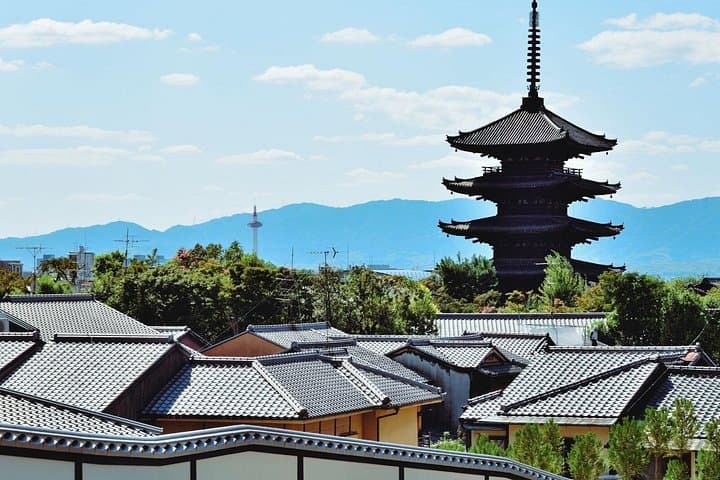
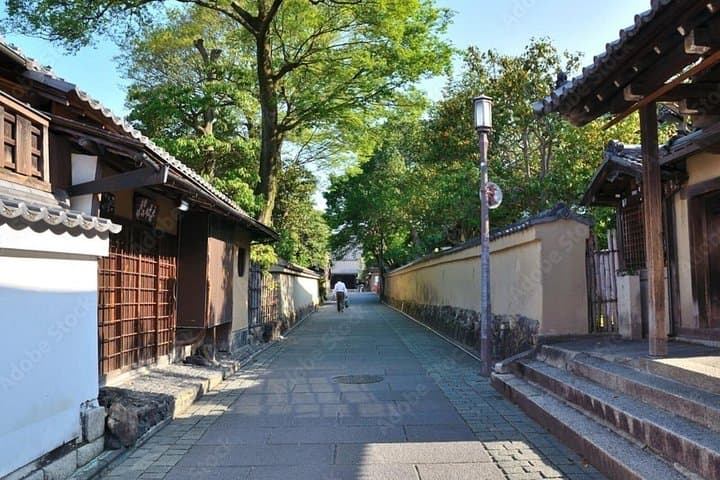
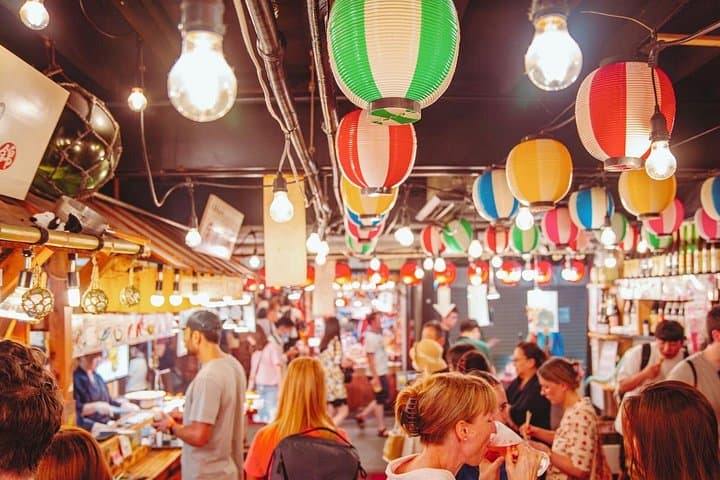
You step out of Kyoto Station into a city where centuries slide past in the sweep of a kimono sleeve and the steady clack of a wooden geta. Narrow lanes open onto open-air markets; temple roofs cut the sky; torii gates spill like a procession of red stamps up a forested slope. A local guide leads—matching pace to interest—pointing out lacquered lanterns, explaining ritual bowing, and steering you toward street-food stalls that smell of soy, yuzu and charcoal.
Verified experiences and guided adventures in the surrounding area.
Operated by Oh! Ohkini Tours · Kyoto, Kyoto Prefecture
You step out of Kyoto Station into a city where centuries slide past in the sweep of a kimono sleeve and the steady clack of a wooden geta. Narrow lanes open onto open-air markets; temple roofs cut the sky; torii gates spill like a procession of red stamps up a forested slope. A local guide leads—matching pace to interest—pointing out lacquered lanterns, explaining ritual bowing, and steering you toward street-food stalls that smell of soy, yuzu and charcoal.
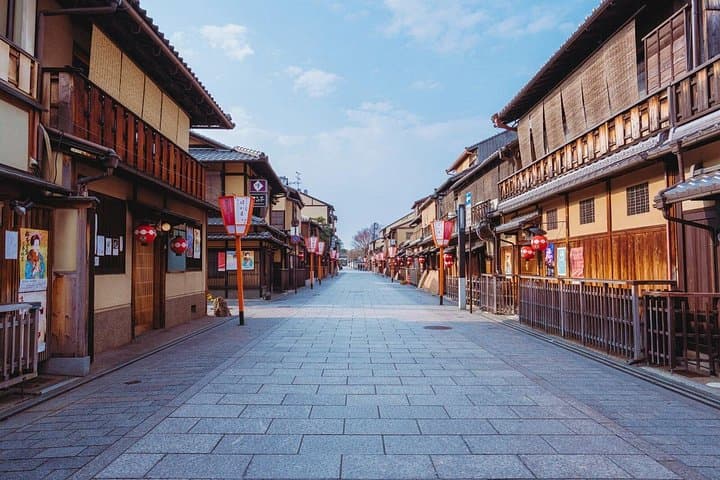
Kyoto was Japan’s imperial capital for more than a thousand years, and its layout still follows that grid. The city’s geology—low basins ringed by forested hills—shaped where temples perch and where rice paddies once gleamed. Culture here is tangible: Shinto festivals, tea-house etiquette, and neighborhoods where geisha technique is passed down like a craft. Expect explanations about wood joinery, lantern symbolism, and how water features organize sacred space.
The route is flexible: golden-temple reflection ponds, the narrow stalls of Nishiki Market, Gion’s wooden machiya, Kiyomizu’s hilltop stage, and the torii paths of Fushimi Inari. Weather and crowds will influence timing; mornings offer cooler light and quieter shrines, afternoons are livelier for markets and café stops.
Practical notes: bring comfortable shoes for up to 10 km of walking depending on your plan, carry water and small cash for shrine offerings and street snacks, and set expectations with your guide beforehand—access, pace, and dietary preferences are easy to tailor. With a local, Kyoto becomes less a checklist and more a conversation you can walk through.
Yes—the tour is fully customizable; discuss preferences with your guide before or at the start and they will adapt route and timing.
Some temple admissions may be included per your arrangement; confirm with the guide which specific sites require separate entry fees.
Yes—routes and pace can be adjusted, but participants should have basic mobility for stairs and walking; inform the guide of any mobility concerns ahead of time.
Kyoto Station is accessible by JR rail, subway and local buses; follow station signage to the specified exit and contact the guide via provided WhatsApp details if needed.
Oh! Ohkini Tours operates guided outdoor trips and adventures with an emphasis on safety, stewardship, and memorable experiences.
You step out of Kyoto Station into a city where centuries slide past in the sweep of a kimono sleeve and the steady clack of a wooden geta. Narrow lanes open onto open-air markets; temple roofs cut the sky; torii gates spill like a procession of red stamps up a forested slope. A local guide leads—matching pace to interest—pointing out lacquered lanterns, explaining ritual bowing, and steering you toward street-food stalls that smell of soy, yuzu and charcoal.
You step out of Kyoto Station into a city where centuries slide past in the sweep of a kimono sleeve and the steady clack of a wooden geta. Narrow lanes open onto open-air markets; temple roofs cut the sky; torii gates spill like a procession of red stamps up a forested slope. A local guide leads—matching pace to interest—pointing out lacquered lanterns, explaining ritual bowing, and steering you toward street-food stalls that smell of soy, yuzu and charcoal.
Kyoto was Japan’s imperial capital for more than a thousand years, and its layout still follows that grid. The city’s geology—low basins ringed by forested hills—shaped where temples perch and where rice paddies once gleamed. Culture here is tangible: Shinto festivals, tea-house etiquette, and neighborhoods where geisha technique is passed down like a craft. Expect explanations about wood joinery, lantern symbolism, and how water features organize sacred space.
The route is flexible: golden-temple reflection ponds, the narrow stalls of Nishiki Market, Gion’s wooden machiya, Kiyomizu’s hilltop stage, and the torii paths of Fushimi Inari. Weather and crowds will influence timing; mornings offer cooler light and quieter shrines, afternoons are livelier for markets and café stops.
Practical notes: bring comfortable shoes for up to 10 km of walking depending on your plan, carry water and small cash for shrine offerings and street snacks, and set expectations with your guide beforehand—access, pace, and dietary preferences are easy to tailor. With a local, Kyoto becomes less a checklist and more a conversation you can walk through.