THE ADVENTURE COLLECTIVE® · Independent discovery and booking for outdoor travel

Spend 6–8 hours exploring Kyoto in a private car with an English-speaking guide. Visit Kinkaku-ji, Fushimi Inari, Arashiyama and more with a flexible itinerary tailored to your pace and interests.
Spend 6–8 hours exploring Kyoto in a private car with an English-speaking guide. Visit Kinkaku-ji, Fushimi Inari, Arashiyama and more with a flexible itinerary tailored to your pace and interests.
You step out of Kyoto Station into a city where cedar-scented hills press close and centuries seem to move at a human pace. A private car waits; your English-speaking guide opens the door and the day unfolds on your terms — from the vermilion torii of Fushimi Inari to the reflective calm of Kinkaku-ji.
Verified experiences and guided adventures in the surrounding area.
Operated by AR Travels Japan · Kyoto, Kyoto Prefecture
You step out of Kyoto Station into a city where cedar-scented hills press close and centuries seem to move at a human pace. A private car waits; your English-speaking guide opens the door and the day unfolds on your terms — from the vermilion torii of Fushimi Inari to the reflective calm of Kinkaku-ji.
Kyoto sits in a basin ringed by low mountains carved from ancient sedimentary and volcanic rock, which shaped river courses like the Katsura. Those rivers cut through rice fields and temple grounds, offering seasonal drama: spring’s cherry blossom curtains, summer’s humid shimmer, autumn’s fiery maples, winter’s thin, clear air. The city’s cultural layers — Heian court rituals, Zen monasteries, Shinto shrines, and the slow choreography of Gion’s geisha districts — are tangible on narrow streets and temple approaches.
Expect a mix of walking and short drives: stair-stepped temple paths, cobblestone lanes in Gion, and flat garden strolls at Tenryu-ji. Guides tailor timing to light and crowd flow; early starts beat the buses, while late afternoons showcase lantern-lit streets.
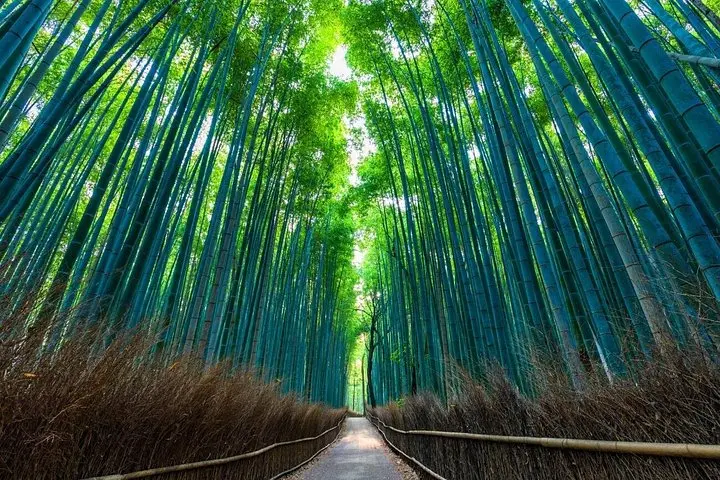
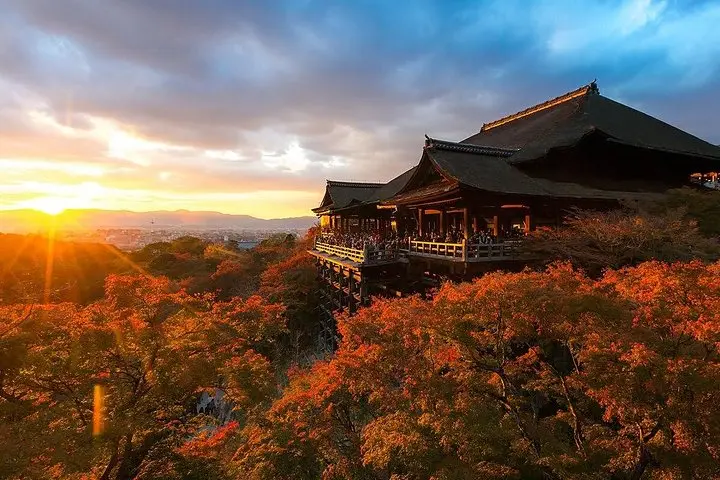
Practical notes: entrance fees for certain temples are paid on-site (bring cash or IC card), and a private car keeps transit efficient but still involves walking and stairs. Wear supportive shoes, carry water and a compact rain layer, and schedule high-traffic highlights (Kiyomizu-dera, Arashiyama bamboo grove, Fushimi Inari) early or late in the day. Your guide will shape the rhythm — history, local food stops, and quiet corners — so you leave with both context and the freedom to linger where the city speaks to you.
No, most temple fees are paid on-site by the traveler; your guide will inform you of amounts and timing.
The private vehicle and many areas are accessible, but some temples (Kiyomizu-dera, Fushimi Inari paths) have stairs and uneven surfaces — advise your operator of needs when booking.
Yes — the tour is designed to be flexible; guides can rearrange stops based on crowds, weather, and your interests.
Meeting point is typically Kyoto Station with optional hotel pickup and drop-off included; confirm pickup when booking.
AR Travels Japan operates guided outdoor trips and adventures with an emphasis on safety, stewardship, and memorable experiences.
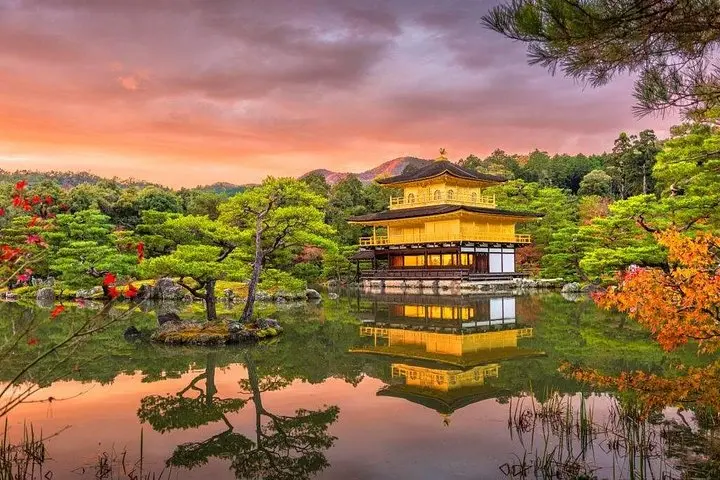
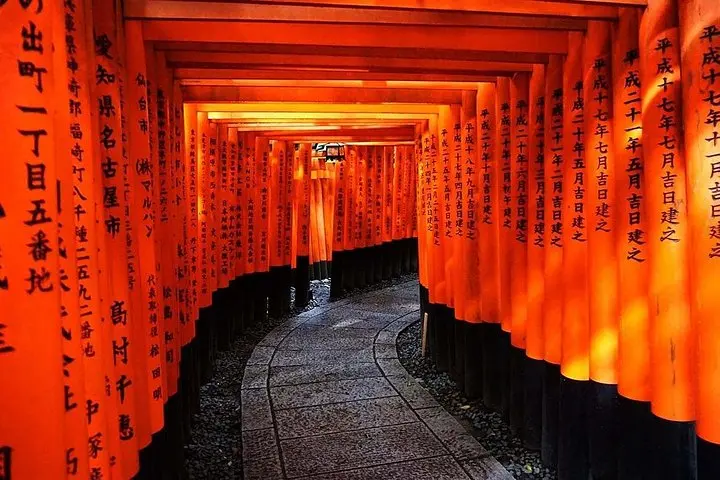
You step out of Kyoto Station into a city where cedar-scented hills press close and centuries seem to move at a human pace. A private car waits; your English-speaking guide opens the door and the day unfolds on your terms — from the vermilion torii of Fushimi Inari to the reflective calm of Kinkaku-ji.
You step out of Kyoto Station into a city where cedar-scented hills press close and centuries seem to move at a human pace. A private car waits; your English-speaking guide opens the door and the day unfolds on your terms — from the vermilion torii of Fushimi Inari to the reflective calm of Kinkaku-ji.
Kyoto sits in a basin ringed by low mountains carved from ancient sedimentary and volcanic rock, which shaped river courses like the Katsura. Those rivers cut through rice fields and temple grounds, offering seasonal drama: spring’s cherry blossom curtains, summer’s humid shimmer, autumn’s fiery maples, winter’s thin, clear air. The city’s cultural layers — Heian court rituals, Zen monasteries, Shinto shrines, and the slow choreography of Gion’s geisha districts — are tangible on narrow streets and temple approaches.
Expect a mix of walking and short drives: stair-stepped temple paths, cobblestone lanes in Gion, and flat garden strolls at Tenryu-ji. Guides tailor timing to light and crowd flow; early starts beat the buses, while late afternoons showcase lantern-lit streets.
Practical notes: entrance fees for certain temples are paid on-site (bring cash or IC card), and a private car keeps transit efficient but still involves walking and stairs. Wear supportive shoes, carry water and a compact rain layer, and schedule high-traffic highlights (Kiyomizu-dera, Arashiyama bamboo grove, Fushimi Inari) early or late in the day. Your guide will shape the rhythm — history, local food stops, and quiet corners — so you leave with both context and the freedom to linger where the city speaks to you.