THE ADVENTURE COLLECTIVE® · Independent discovery and booking for outdoor travel

Choose your pace through Kyoto’s streets with a private, customizable walking tour. Visit Kinkaku-ji, Fushimi Inari, and hidden neighborhood markets with a local guide tailoring the route to your interests and fitness.
Choose your pace through Kyoto’s streets with a private, customizable walking tour. Visit Kinkaku-ji, Fushimi Inari, and hidden neighborhood markets with a local guide tailoring the route to your interests and fitness.
The morning air in Kyoto moves like a slow promise: incense drifting from a temple courtyard, the rhythmic clack of a tram, and the city’s wooden machiya catching light through narrow lanes. On a private customized walking tour you choose the pace — from the gilded reflection of Kinkaku-ji to the orange gates that climb Fushimi Inari, each turn pulls you deeper into local rhythms.
Verified experiences and guided adventures in the surrounding area.
Operated by Bumi Tours · Kyoto, Kyoto Prefecture
The morning air in Kyoto moves like a slow promise: incense drifting from a temple courtyard, the rhythmic clack of a tram, and the city’s wooden machiya catching light through narrow lanes. On a private customized walking tour you choose the pace — from the gilded reflection of Kinkaku-ji to the orange gates that climb Fushimi Inari, each turn pulls you deeper into local rhythms.
Kyoto was Japan’s capital for over a millennium; its streets layer Heian court plans, medieval temple precincts, and merchant neighborhoods. The geology underfoot shifts from volcanic terraces to river-carved alluvium, which helped early settlements cluster around streams that still cut through the city. Culture here is tactile: tea ceremony houses, stone lanterns, and Kyoto cuisine shaped by seasonal produce and monastic simplicity.
A private guide frames those details — why a garden is raked a certain way, how a shrine’s torii marks thresholds, where markets preserve local flavors. You’ll move through centuries in steps, and the guide will tailor the route to mobility, interests, and time.
Practical side: routes can run 4–9 hours and use public transit when distances widen; expect cobblestones, flights of stone steps, and pockets of crowds near major shrines. Bring layered clothing for sudden showers, a charged phone for navigation and photos, and comfortable shoes with good grip. Start early to beat the busiest gates, and ask your guide to time temple visits around brief, quieter moments.
This tour is for curious walkers who want a local lens on Kyoto’s history and everyday life — flexible, informative, and paced to your interests.
Yes — the tour is private and customizable; guides commonly adjust timing and stops based on your interests and pacing.
Admission fees are generally not included; the tour includes a Kyoto bus/metro 1-day pass (not covering JR or private rail lines) according to the listing details.
Yes if mobility is reasonable; inform the operator of ages and mobility needs when booking to tailor route and pacing.
Meeting points are flexible — often a nearby bus or train station — and you can end the tour earlier or later within the booked window with prior coordination.
Bumi Tours operates guided outdoor trips and adventures with an emphasis on safety, stewardship, and memorable experiences.
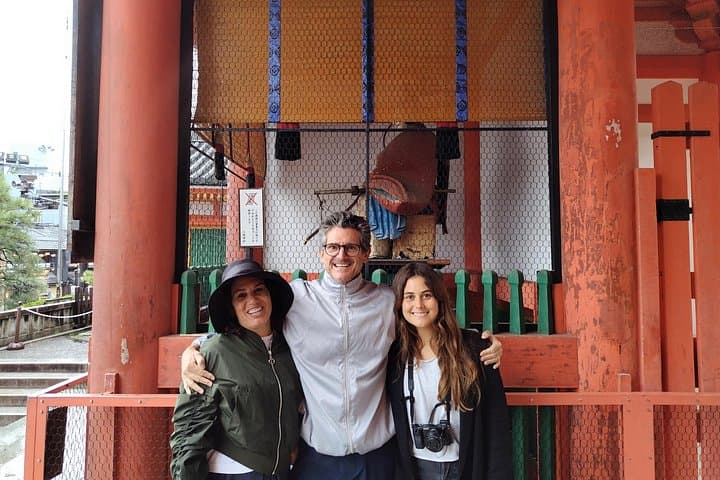
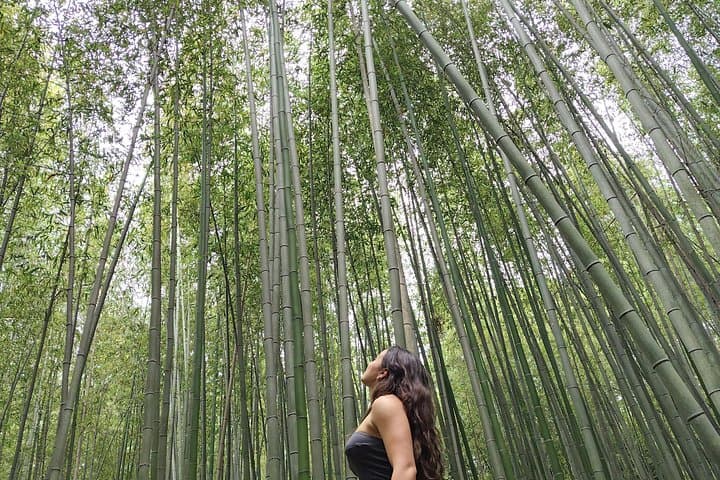

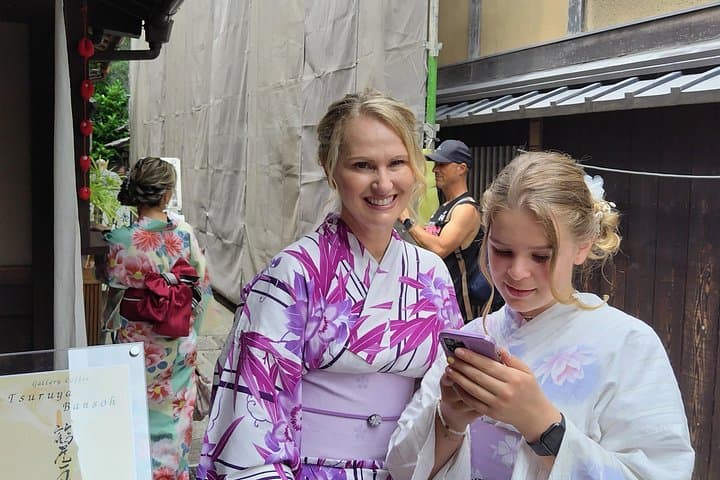
The morning air in Kyoto moves like a slow promise: incense drifting from a temple courtyard, the rhythmic clack of a tram, and the city’s wooden machiya catching light through narrow lanes. On a private customized walking tour you choose the pace — from the gilded reflection of Kinkaku-ji to the orange gates that climb Fushimi Inari, each turn pulls you deeper into local rhythms.
The morning air in Kyoto moves like a slow promise: incense drifting from a temple courtyard, the rhythmic clack of a tram, and the city’s wooden machiya catching light through narrow lanes. On a private customized walking tour you choose the pace — from the gilded reflection of Kinkaku-ji to the orange gates that climb Fushimi Inari, each turn pulls you deeper into local rhythms.
Kyoto was Japan’s capital for over a millennium; its streets layer Heian court plans, medieval temple precincts, and merchant neighborhoods. The geology underfoot shifts from volcanic terraces to river-carved alluvium, which helped early settlements cluster around streams that still cut through the city. Culture here is tactile: tea ceremony houses, stone lanterns, and Kyoto cuisine shaped by seasonal produce and monastic simplicity.
A private guide frames those details — why a garden is raked a certain way, how a shrine’s torii marks thresholds, where markets preserve local flavors. You’ll move through centuries in steps, and the guide will tailor the route to mobility, interests, and time.
Practical side: routes can run 4–9 hours and use public transit when distances widen; expect cobblestones, flights of stone steps, and pockets of crowds near major shrines. Bring layered clothing for sudden showers, a charged phone for navigation and photos, and comfortable shoes with good grip. Start early to beat the busiest gates, and ask your guide to time temple visits around brief, quieter moments.
This tour is for curious walkers who want a local lens on Kyoto’s history and everyday life — flexible, informative, and paced to your interests.