THE ADVENTURE COLLECTIVE® · Independent discovery and booking for outdoor travel

Fly from Sharm el-Sheikh for an 18‑hour private tour of the Giza Pyramids, Sphinx and the Egyptian Museum in Cairo. Expect early pickup, short walks across limestone plateau, a guided museum visit and options for camel rides or a Nile cruise.
Fly from Sharm el-Sheikh for an 18‑hour private tour of the Giza Pyramids, Sphinx and the Egyptian Museum in Cairo. Expect early pickup, short walks across limestone plateau, a guided museum visit and options for camel rides or a Nile cruise.
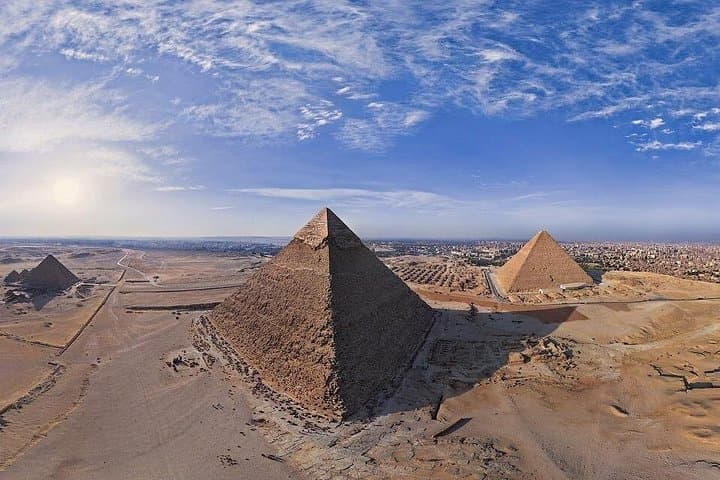
You step off an early domestic flight into Cairo’s bright, dry air and the Giza Plateau opens like a stage — quarry-stone slope underfoot, the three great pyramids cutting a clean silhouette against a pale sky.
Verified experiences and guided adventures in the surrounding area.
Operated by Cleotours Egypt · Giza, Giza Governorate
You step off an early domestic flight into Cairo’s bright, dry air and the Giza Plateau opens like a stage — quarry-stone slope underfoot, the three great pyramids cutting a clean silhouette against a pale sky.
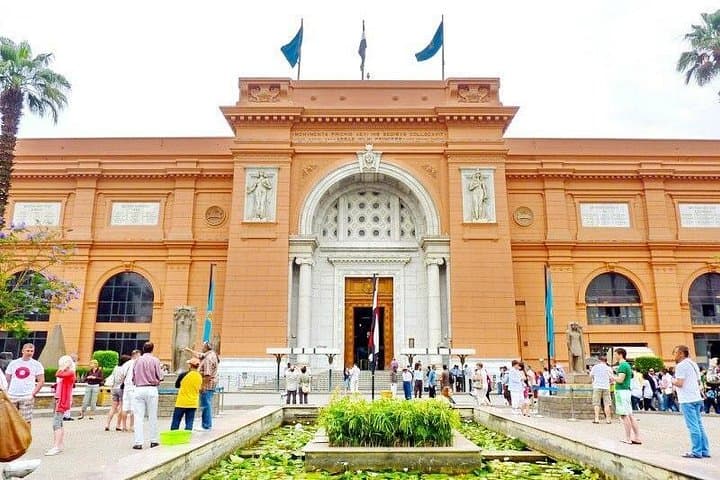
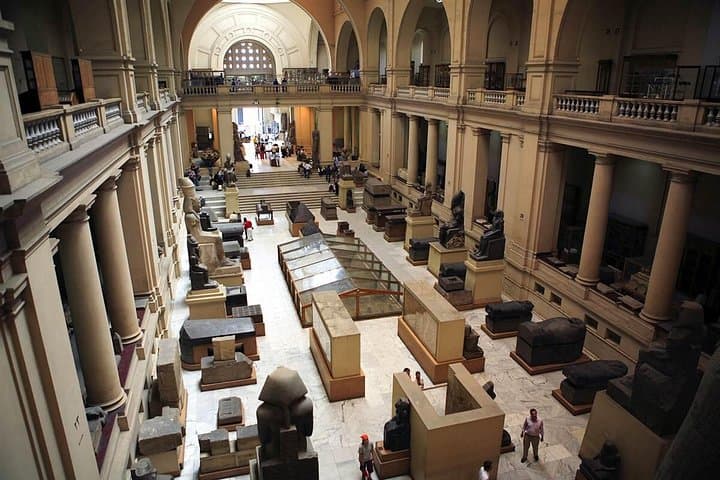
The Great Pyramid, built about 4,500 years ago as a pharaonic tomb, dominates the plateau; the nearby Sphinx, carved from native limestone, watches over the sand with an austere, human face. Geologically the plateau is a band of Eocene limestone and chalk; walking here is mostly flat with short, dusty gradients and about 2–3 km of on-foot exploration between viewpoints. Two hours at the pyramids and another two at the Egyptian Museum give a compact but rich survey: from the solid-gold funerary mask of Tutankhamun to funerary stelae and sarcophagi that map Egypt’s dynastic eras.
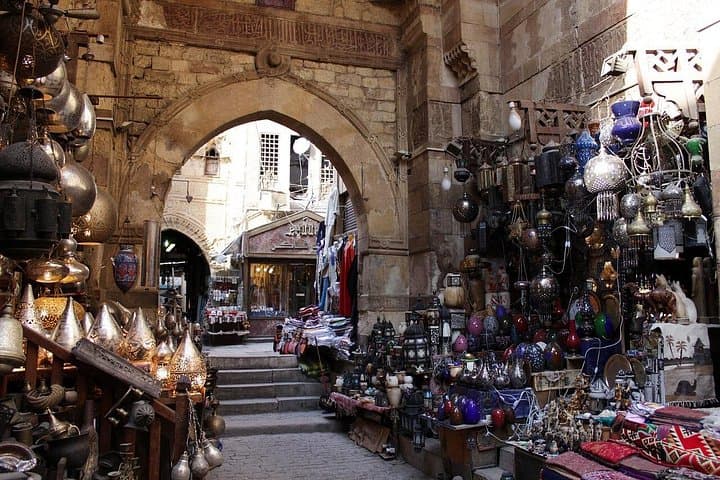
Culturally, a licensed Egyptologist frames what you see — burial rites, construction theories and the modern impacts of Cairo’s growth. Local commerce clusters around the sites: vendors, camel handlers and small cafés selling mint tea.
Practical guidance: this is a very long day (roughly 18 hours door-to-door) with an early hotel pickup and returned late; bring your passport and visa, carry at least 2 liters of water, wear sturdy shoes for uneven limestone and dress for sun. Expect periods of standing and short walks rather than serious hiking. If you plan optional camel rides or a Nile cruise, budget extra time and cash. Stick to marked paths, follow your guide for access and photography rules, and leave extra battery charge for memorable skyline shots of the plateau at mid-day light.
Yes — all non‑Egyptian citizens need a valid Egyptian visa for this trip; the operator can often help arrange one before departure, but confirm in advance.
The tour includes entrance fees to the Giza Plateau and the Egyptian Museum and domestic flight tickets as listed in the inclusions, but optional extras like camel rides or Nile cruises cost extra.
Expect 2–3 km of walking across mostly flat, dusty terrain with short inclines on the plateau and stairs inside the museum; the tour is classified as physically easy.
Yes — tipping local guides, drivers and service staff is customary in Egypt; plan to carry small bills in local currency for gratuities.
Cleotours Egypt operates guided outdoor trips and adventures with an emphasis on safety, stewardship, and memorable experiences.
You step off an early domestic flight into Cairo’s bright, dry air and the Giza Plateau opens like a stage — quarry-stone slope underfoot, the three great pyramids cutting a clean silhouette against a pale sky.
You step off an early domestic flight into Cairo’s bright, dry air and the Giza Plateau opens like a stage — quarry-stone slope underfoot, the three great pyramids cutting a clean silhouette against a pale sky.
The Great Pyramid, built about 4,500 years ago as a pharaonic tomb, dominates the plateau; the nearby Sphinx, carved from native limestone, watches over the sand with an austere, human face. Geologically the plateau is a band of Eocene limestone and chalk; walking here is mostly flat with short, dusty gradients and about 2–3 km of on-foot exploration between viewpoints. Two hours at the pyramids and another two at the Egyptian Museum give a compact but rich survey: from the solid-gold funerary mask of Tutankhamun to funerary stelae and sarcophagi that map Egypt’s dynastic eras.
Culturally, a licensed Egyptologist frames what you see — burial rites, construction theories and the modern impacts of Cairo’s growth. Local commerce clusters around the sites: vendors, camel handlers and small cafés selling mint tea.
Practical guidance: this is a very long day (roughly 18 hours door-to-door) with an early hotel pickup and returned late; bring your passport and visa, carry at least 2 liters of water, wear sturdy shoes for uneven limestone and dress for sun. Expect periods of standing and short walks rather than serious hiking. If you plan optional camel rides or a Nile cruise, budget extra time and cash. Stick to marked paths, follow your guide for access and photography rules, and leave extra battery charge for memorable skyline shots of the plateau at mid-day light.