THE ADVENTURE COLLECTIVE® · Independent discovery and booking for outdoor travel

A compact, private day hike that climbs from Nagi Gumba into Shivapuri Nagarjun National Park, finishing at Shivapuri Peak (2,732 m) for mountain panoramas north of Kathmandu. Expect forested switchbacks, cultural stops at a nunnery, and easy logistics with private transport.
A compact, private day hike that climbs from Nagi Gumba into Shivapuri Nagarjun National Park, finishing at Shivapuri Peak (2,732 m) for mountain panoramas north of Kathmandu. Expect forested switchbacks, cultural stops at a nunnery, and easy logistics with private transport.
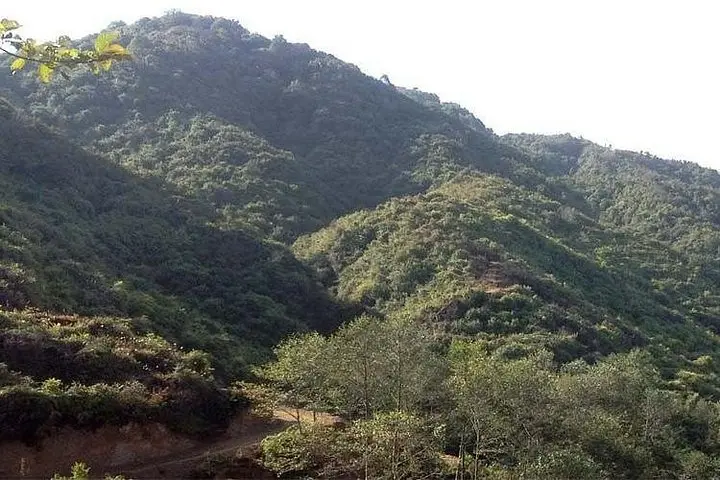
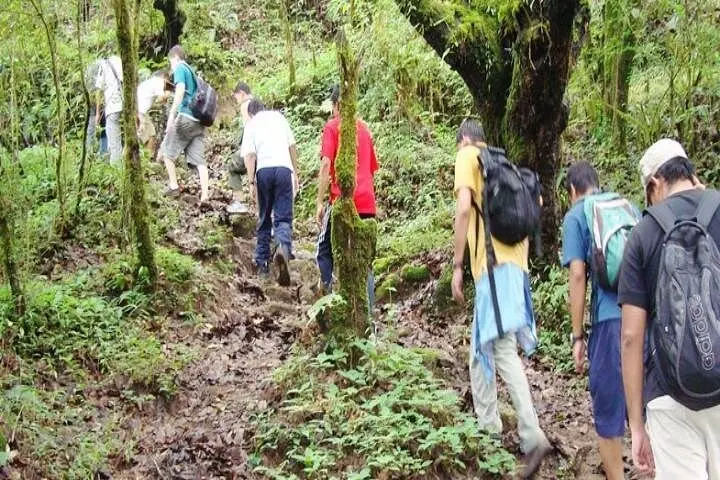
Morning light thins over Kathmandu as the van eases north toward Nagi Gumba, a compact Buddhist monastery that marks the trailhead. You step out at about 1,650 m into a cool, shaded trail; rhododendron and oak press close, and the forest seems to hold its breath as you begin to climb.
Verified experiences and guided adventures in the surrounding area.
Operated by Pigeon Travel And Tours Pvt Ltd · Kathmandu, Bagmati Province
Morning light thins over Kathmandu as the van eases north toward Nagi Gumba, a compact Buddhist monastery that marks the trailhead. You step out at about 1,650 m into a cool, shaded trail; rhododendron and oak press close, and the forest seems to hold its breath as you begin to climb.
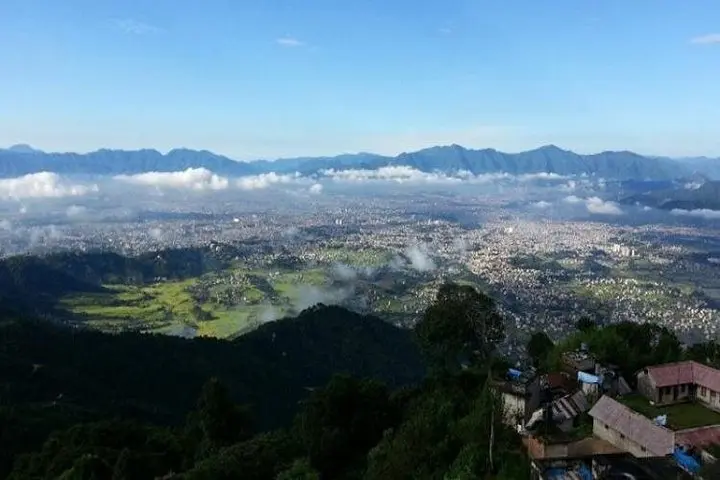
Shivapuri Nagarjun National Park—established in 2002 and spanning roughly 159 km²—forms the green rim above the Kathmandu Valley. Geologically the hills are folded mid-hill terrain, carved by rivers and uplift, offering a string of viewpoints; Shivapuri Peak rises to about 2,732 m and gives clear sightlines to Langtang’s ridgelines on a good day. Culturally, Nagi Gumba is an active nunnery, a quiet stop where prayer flags and carved stones remind hikers of the area's living traditions.
Wildlife is mostly heard: birds calling from the canopy, occasional monkey movement, and the distant possibility of larger mammals like jackal or, rarely, Himalayan black bear. The route is classic hill country—steep switchbacks, packed earth, and stone steps—suitable for a steady half-day push.
Practical edge: obtain the park permit at the gate, start early to avoid afternoon haze, and expect a 3–5 hour round trip including transfers. Footwear with solid grip, layered clothing for rapid temperature shifts, and 1–2 liters of water will keep you moving. The return follows the same trail; if visibility holds, linger at the summit for a clear panorama of Langtang and the north-facing valley drops before the descent.
Typical round-trip time is 3–5 hours including transfers; elevation gain from Nagi Gumba (≈1,650 m) to Shivapuri Peak (≈2,732 m) is around 1,080 m on the steeper route.
Yes—permits are processed at the park entrance near Nagi Gumba; your guide or operator usually assists with this.
The trail is moderately steep and involves sustained climbing; families with older children in good shape can do it, but it’s not ideal for very young kids or those with significant mobility issues.
Snow is possible in winter (Dec–Feb) at higher elevations; during fall and spring the summit is usually snow-free but can be cold and windy.
Pigeon Travel And Tours Pvt Ltd operates guided outdoor trips and adventures with an emphasis on safety, stewardship, and memorable experiences.
Morning light thins over Kathmandu as the van eases north toward Nagi Gumba, a compact Buddhist monastery that marks the trailhead. You step out at about 1,650 m into a cool, shaded trail; rhododendron and oak press close, and the forest seems to hold its breath as you begin to climb.
Morning light thins over Kathmandu as the van eases north toward Nagi Gumba, a compact Buddhist monastery that marks the trailhead. You step out at about 1,650 m into a cool, shaded trail; rhododendron and oak press close, and the forest seems to hold its breath as you begin to climb.
Shivapuri Nagarjun National Park—established in 2002 and spanning roughly 159 km²—forms the green rim above the Kathmandu Valley. Geologically the hills are folded mid-hill terrain, carved by rivers and uplift, offering a string of viewpoints; Shivapuri Peak rises to about 2,732 m and gives clear sightlines to Langtang’s ridgelines on a good day. Culturally, Nagi Gumba is an active nunnery, a quiet stop where prayer flags and carved stones remind hikers of the area's living traditions.
Wildlife is mostly heard: birds calling from the canopy, occasional monkey movement, and the distant possibility of larger mammals like jackal or, rarely, Himalayan black bear. The route is classic hill country—steep switchbacks, packed earth, and stone steps—suitable for a steady half-day push.
Practical edge: obtain the park permit at the gate, start early to avoid afternoon haze, and expect a 3–5 hour round trip including transfers. Footwear with solid grip, layered clothing for rapid temperature shifts, and 1–2 liters of water will keep you moving. The return follows the same trail; if visibility holds, linger at the summit for a clear panorama of Langtang and the north-facing valley drops before the descent.