THE ADVENTURE COLLECTIVE® · Independent discovery and booking for outdoor travel

Spend a private day in Tarangire National Park chasing large elephant herds, baobab-framed skylines and focused game drives. This one-day private safari pairs focused wildlife viewing with short guided walks and hotel pickup from Arusha.
Spend a private day in Tarangire National Park chasing large elephant herds, baobab-framed skylines and focused game drives. This one-day private safari pairs focused wildlife viewing with short guided walks and hotel pickup from Arusha.
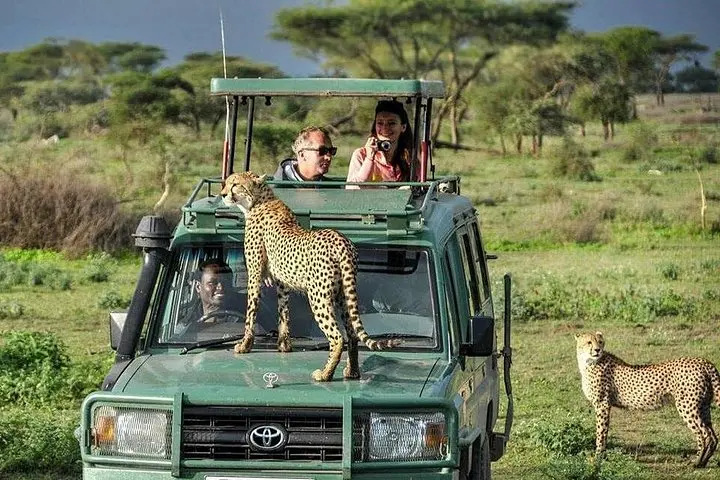
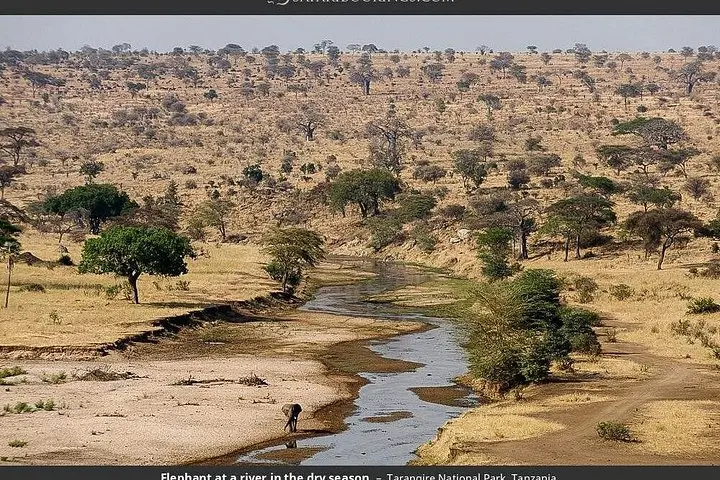
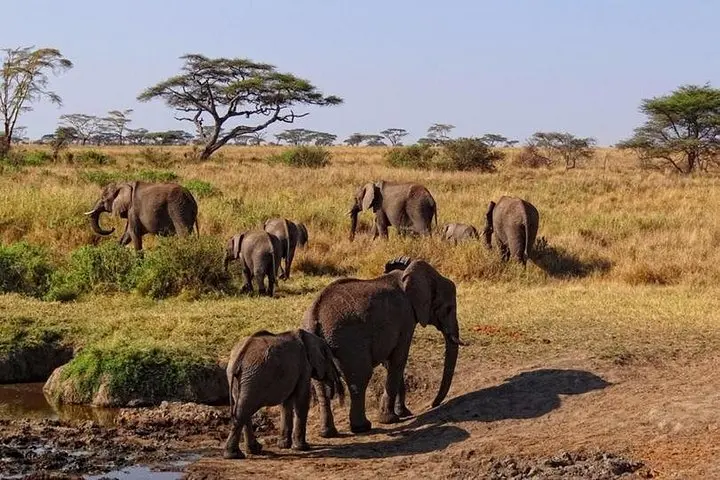
You slide into an open-top 4x4 before sunrise and the scrubby plain unfolds—flat dust tracks, ragged acacia, and huge baobabs holding light like lanterns. The Tarangire River runs like a thin silver dare, drawing herds and the predators that follow. Your guide checks the tracker, listens to the radio, and the jeep moves toward a cluster of massive, slow-moving elephants that seem to know every well on the plain.
Verified experiences and guided adventures in the surrounding area.
Operated by Serengeti Safari Booking · Arusha, Manyara Region
You slide into an open-top 4x4 before sunrise and the scrubby plain unfolds—flat dust tracks, ragged acacia, and huge baobabs holding light like lanterns. The Tarangire River runs like a thin silver dare, drawing herds and the predators that follow. Your guide checks the tracker, listens to the radio, and the jeep moves toward a cluster of massive, slow-moving elephants that seem to know every well on the plain.
Tarangire became a national park in the late 1960s and protects a unique dry-country ecosystem characterized by broad floodplains and ancient baobabs. Geologically the park sits on sedimentary plains that seasonally flood, creating concentrated water holes in the dry months. The region’s Maasai and Barabaig communities still graze cattle and share stories with guides; cultural exchanges are dry, straightforward, and local.
On a private day trip from Arusha you can expect about 6 hours of guided game driving, opportunities for short guided walks where permitted, picnic lunch at a shaded site, and a constant rhythm of wildlife viewing—elephants, giraffe, buffalo, zebra, and odd dry-country species like gerenuk.
Practical notes: bring binoculars and sunscreen, travel light for vehicle comfort, and plan for long drives on gravel roads; spare battery and water are crucial. Booking typically includes gate fees, pickup/drop-off, and an English-speaking guide. Aim to travel in the cooler morning hours for the best sightings and quieter light for photography.
The drive is about 1.5–2 hours each way (roughly 118 km) depending on traffic and the exact pickup point in Arusha.
Yes—Tarangire is known for a high elephant density and day trips commonly encounter large herds, especially in the dry season when animals congregate around water sources.
Walking safaris are sometimes offered in specific areas and at the guide’s discretion; they are typically short and guided for safety and conservation reasons.
Tipping is customary; typical guidance is $10–$20 per guest for the guide and a smaller amount for the driver, adjusted by service quality.
Serengeti Safari Booking operates guided outdoor trips and adventures with an emphasis on safety, stewardship, and memorable experiences.
You slide into an open-top 4x4 before sunrise and the scrubby plain unfolds—flat dust tracks, ragged acacia, and huge baobabs holding light like lanterns. The Tarangire River runs like a thin silver dare, drawing herds and the predators that follow. Your guide checks the tracker, listens to the radio, and the jeep moves toward a cluster of massive, slow-moving elephants that seem to know every well on the plain.
You slide into an open-top 4x4 before sunrise and the scrubby plain unfolds—flat dust tracks, ragged acacia, and huge baobabs holding light like lanterns. The Tarangire River runs like a thin silver dare, drawing herds and the predators that follow. Your guide checks the tracker, listens to the radio, and the jeep moves toward a cluster of massive, slow-moving elephants that seem to know every well on the plain.
Tarangire became a national park in the late 1960s and protects a unique dry-country ecosystem characterized by broad floodplains and ancient baobabs. Geologically the park sits on sedimentary plains that seasonally flood, creating concentrated water holes in the dry months. The region’s Maasai and Barabaig communities still graze cattle and share stories with guides; cultural exchanges are dry, straightforward, and local.
On a private day trip from Arusha you can expect about 6 hours of guided game driving, opportunities for short guided walks where permitted, picnic lunch at a shaded site, and a constant rhythm of wildlife viewing—elephants, giraffe, buffalo, zebra, and odd dry-country species like gerenuk.
Practical notes: bring binoculars and sunscreen, travel light for vehicle comfort, and plan for long drives on gravel roads; spare battery and water are crucial. Booking typically includes gate fees, pickup/drop-off, and an English-speaking guide. Aim to travel in the cooler morning hours for the best sightings and quieter light for photography.